
Ferret Food: What Ferrets Should Eat, Protein Needs and Foods to Avoid
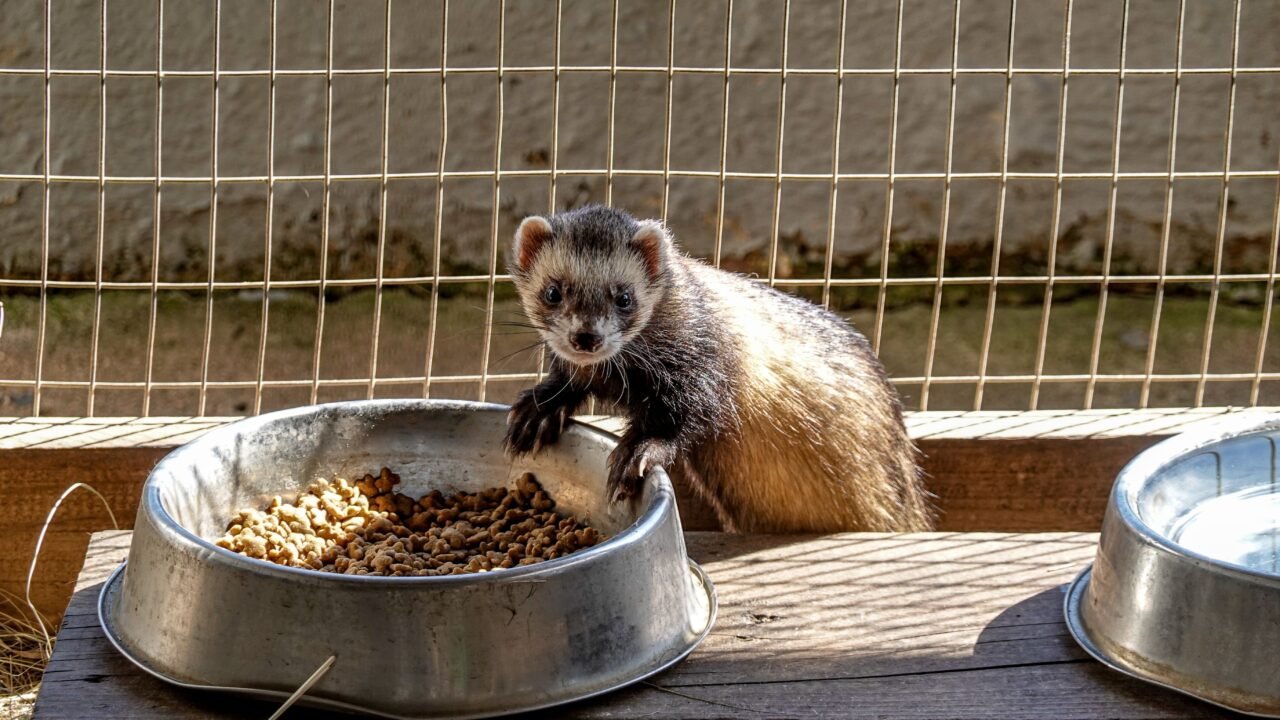
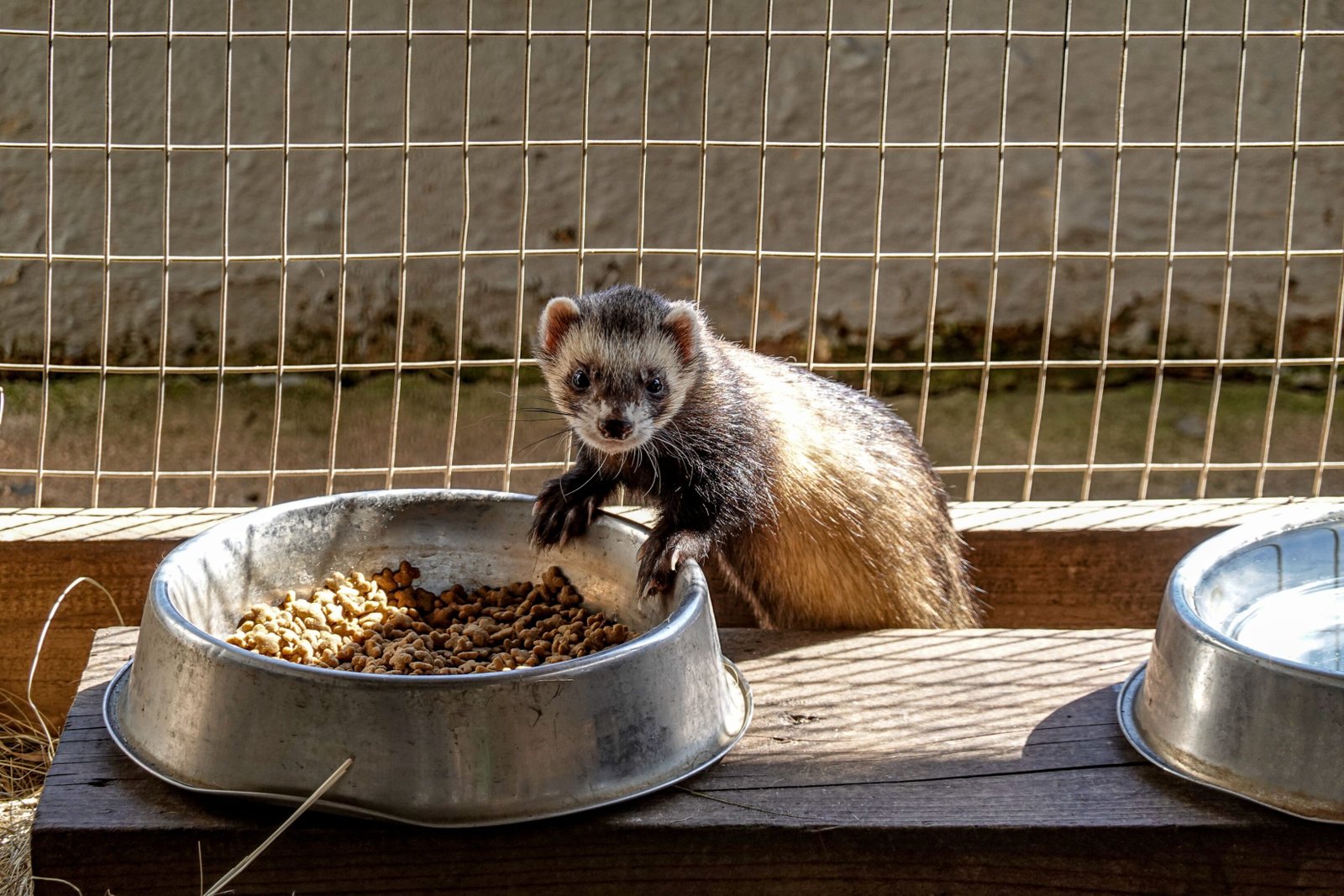
Ferret food should reflect one basic fact: ferrets are obligate carnivores with a short digestive tract and high metabolic rate. They need a meat-based diet that supplies plenty of animal protein and fat without loading the bowl with fiber, sugar or starchy ingredients.
Ferret food should be meat-based
The Merck Veterinary Manual’s ferret nutrition guidance describes ferrets as carnivorous and notes that they require high dietary protein with relatively low carbohydrate and fiber. That makes the ingredient list more important than colorful packaging.
Look for high animal protein
Merck gives a general protein range of about 35% to 40% for ferrets. Check the guaranteed analysis and look for clearly named animal ingredients near the top of the list rather than assuming every food marketed to small pets is suitable.
Keep fiber low
Ferrets are not built to process the high-fiber diets used for rabbits or guinea pigs. Merck recommends keeping fiber very low. Hay, seed-heavy mixes and herbivore pellets are therefore poor substitutes for proper ferret food.
Limit high-carbohydrate ingredients
A food dominated by grains, sugary binders or plant starches is a poor fit for a strict carnivore. Read the full label, not just the front-of-bag protein claim.
Use a complete commercial ferret diet when practical
A reputable complete ferret food is usually the simplest way to provide balanced nutrition. Merck notes that high-quality commercial ferret foods are available; if you are uncertain about a product, ask an exotics veterinarian to review the label.
Do not treat cat food as an automatic equivalent
Some high-quality kitten foods have historically been used for ferrets, but a purpose-formulated ferret diet is preferable when it meets the animal’s nutritional needs. Adult cat foods vary widely and may not be appropriate.
Fresh water should always be available
Ferrets eat frequently and can dehydrate quickly. Keep clean drinking water available at all times and check bottles or bowls daily to make sure they are actually working and accessible.
Ferrets often eat several small meals
Because of their high metabolism and short digestive tract, ferrets tend to eat small amounts repeatedly. If a normally enthusiastic ferret suddenly stops eating, that change matters more than whether the bowl still contains food.
Avoid sugary treats
Honey, candy, sweetened snacks, raisins and other sugary foods do not belong in a ferret’s routine. Merck specifically cautions against sugary and high-carbohydrate treats.
Dairy is not a good ferret treat
Milk and many dairy foods are difficult for ferrets to digest. If you want to reward your ferret, use a tiny meat-based treat that does not unbalance the main diet.
Keep treats genuinely small
Treats should not displace complete ferret food. Merck suggests keeping treats to a small fraction of daily calories. That is easy to exceed if several people in the household each give “just one.”
Raw diets need more caution than social media suggests
Raw feeding can expose pets and people to pathogens such as Salmonella and Campylobacter. A homemade raw menu can also become nutritionally incomplete. If you want to feed raw, do it with veterinary nutrition guidance rather than improvising.
Change ferret food gradually
Ferrets can resist unfamiliar foods. If a change is necessary, mix the new food into the familiar diet gradually while monitoring appetite, stool and body condition.
Teach acceptance of a suitable soft food before illness
A ferret that only recognizes one crunchy kibble may refuse unfamiliar recovery food when sick. Your veterinarian can advise whether periodically offering an appropriate soft version is useful so it is not completely novel during illness.
Track body weight instead of guessing from appetite
Ferrets can show seasonal weight changes, but unexplained loss, persistent diarrhea, vomiting or reduced appetite deserves veterinary attention. A small digital pet scale can make trends easier to notice.
Store ferret food properly
Keep dry food sealed, cool and dry, and do not mix fresh food into an old oily residue at the bottom of a container. Buy a bag size your household can use while it remains fresh.
If your ferret eats something unsafe
If your ferret swallows a questionable food, medication or household substance, do not improvise a home antidote. Our pet poisoning emergency guide explains what information to collect while you contact a veterinarian or animal poison-control service.
A ferret diet should stay meat-centered
Choose ferret food that is complete, meat-based, high in animal protein and low in fiber and unnecessary carbohydrate. Keep fresh water available, limit treats, change diets gradually and involve an exotics veterinarian if appetite, weight or digestion changes.


0 comments