
Carrion Crow (Corvus corone): Identification, Intelligence and Everyday Behavior

Corvus corone, the Carrion Crow, is one of Europe’s most adaptable corvids. It can live in farmland, woodland edges, towns and coastal areas, and its success comes less from one specialized trick than from behavioral flexibility.
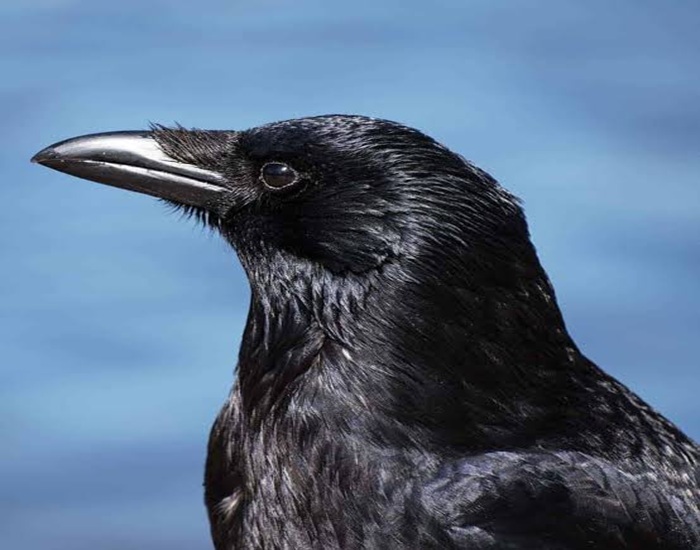
How to identify a Carrion Crow
The RSPB describes Carrion Crows as large, all-black birds with a heavy blunt bill. They are usually seen alone or in pairs more often than Rooks, though groups can form around food or during winter.
Carrion Crow vs Rook
A Rook often shows a paler bare area around the base of the bill as an adult and is strongly associated with social colonies. Carrion Crows keep a feathered face and are commonly more solitary. Shape and behavior together are more useful than color alone.
Carrion Crow vs Hooded Crow
These closely related birds replace each other across parts of Europe. Carrion Crows are black overall; Hooded Crows have a grey body with black head, wings and tail. Hybrid-looking birds can appear near contact zones.
What do Carrion Crows eat?
The diet is broad: carrion, insects, seeds, fruit, human scraps, eggs and small animals can all be taken. That flexibility allows crows to move between fields, shorelines and urban spaces as food availability changes.
Intelligence without mythology
Corvids are known for flexible problem-solving, memory and learning. It is reasonable to call Carrion Crows intelligent, but claims that every crow plans like a human or understands human motives go beyond what field observations alone can show.
Why they watch people closely
Crows learn which places and routines are associated with food or danger. A bird returning when a garden becomes quiet may be responding to experience rather than acting “fearless.”
Nesting
Pairs build substantial stick nests in trees and sometimes on structures. During nesting season, adults may become more defensive around the immediate area.
Living around crows
Do not intentionally create conflict by leaving unsecured waste or feeding large amounts. If you enjoy observing corvid behavior, compare Carrion Crows with our Eurasian Magpie guide, another member of the crow family with very different plumage and social behavior.
0 comments