
Bird Feeders: Safe Placement, Cleaning, Food Choices and Disease Prevention
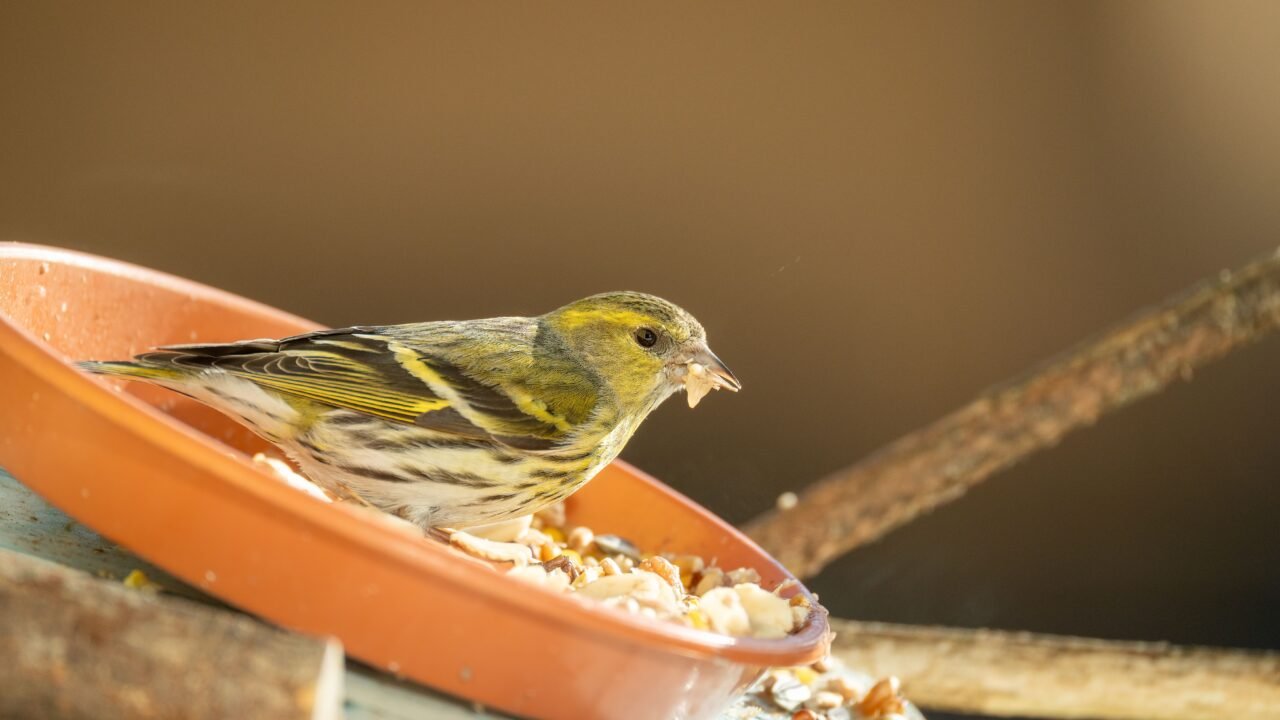
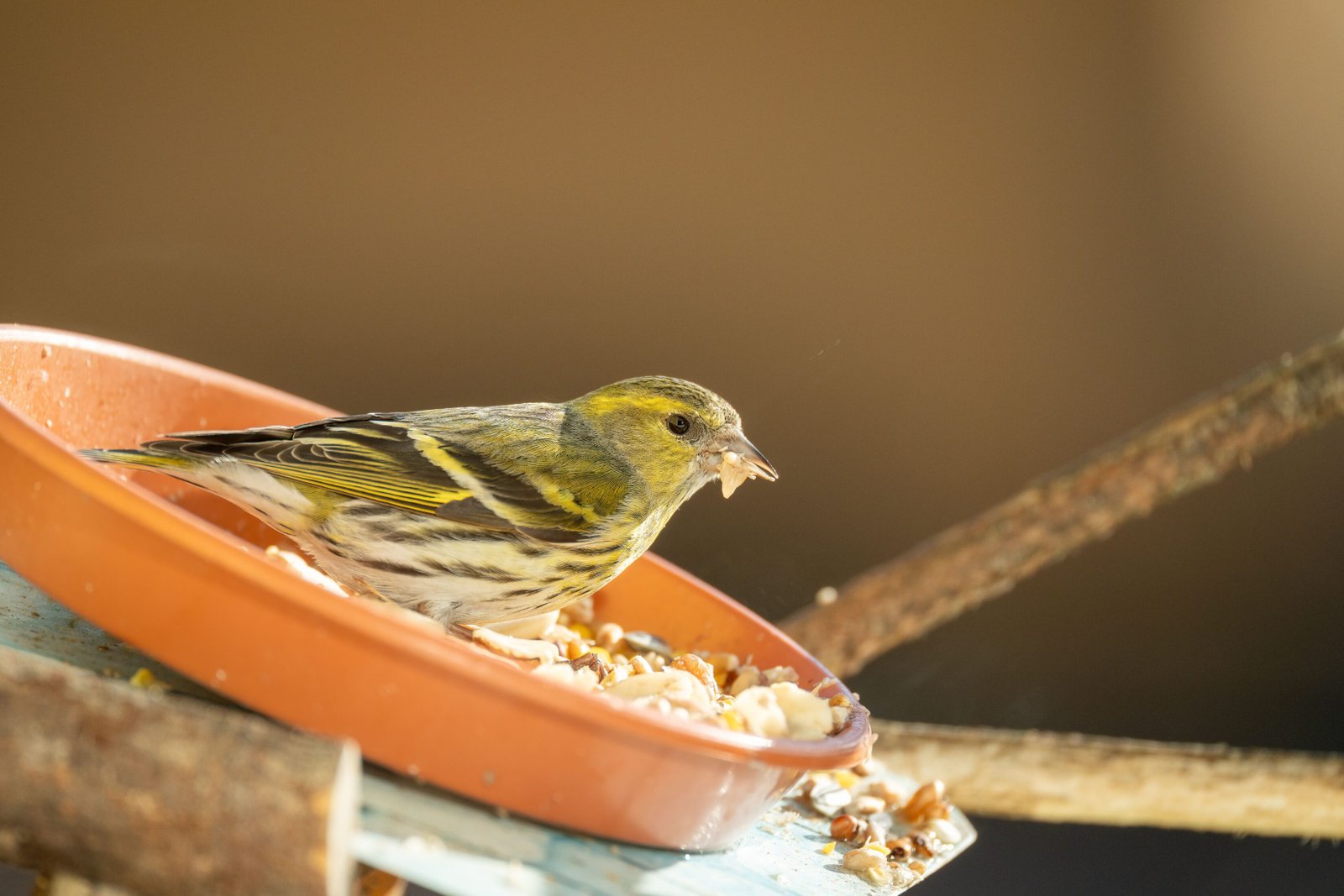
Bird feeders can bring wild birds close enough to observe every day, but the goal is not simply to keep a feeder full. Hygiene, location, food freshness and local disease conditions all matter because birds gather at feeders in much higher concentrations than they often would naturally.
Choose bird feeders that are easy to clean
A decorative feeder is not useful if old food and droppings collect in places you cannot reach. Choose a design you can empty, scrub, rinse and dry without special tools.
Clean bird feeders regularly
The RSPCA guidance on feeding garden birds recommends frequent feeder cleaning and drying before refilling. If local wildlife agencies issue stronger disease-control advice in your area, follow that local guidance.
Dry the feeder before adding fresh food
Damp seed spoils faster and can encourage mold. After cleaning, let bird feeders dry properly instead of immediately filling wet compartments.
Throw away wet or spoiled seed
Do not top fresh food over a clump of damp seed. If food smells musty, looks moldy or has become contaminated with droppings, discard it and clean the feeder.
Place bird feeders above easy cat reach
Feeders should be positioned where birds can approach and leave without passing directly beside a hiding predator. Avoid low placement beside dense cover that gives cats an ambush point.
Think about window-collision risk
A feeder can change flight paths around your home. If birds are striking windows, change the setup and use effective window-collision prevention rather than assuming the birds will learn after repeated impacts.
Keep feeding areas away from roost contamination
Do not place a feeder directly where droppings from birds roosting above can fall into food. A clean feeder can become contaminated quickly if the location is poor.
Rotate heavily used feeding locations
Moving bird feeders periodically can reduce the buildup of seed hulls, waste and droppings beneath one spot. Clean the ground under busy feeding areas as well.
Match the food to local bird species
Different birds use different foods and feeder styles. Check guidance from a reputable local bird or wildlife organization so you are feeding species that actually occur in your region rather than copying a menu from another country.
Offer only as much food as birds will use
Large amounts of stale seed attract rodents and create more waste. In many gardens, smaller fresh refills are better than leaving a deep reservoir untouched for weeks.
Store bird food away from moisture and pests
Keep seed in a dry, closed container. If rodents can enter the storage bin, the problem is no longer limited to the feeder.
Stop and reassess if sick birds appear
If birds around your feeder look unusually lethargic, fluffed up, weak or show obvious disease signs, check current advice from your local wildlife authority. Temporary feeder removal and thorough cleaning may be recommended during an outbreak.
Do not use pesticides around feeding areas
Birds can pick food from the ground below feeders. Avoid creating a feeding hotspot and then treating the same area carelessly with chemicals.
Provide water with the same hygiene standard
A bird bath or water dish also concentrates visitors. Change water frequently, remove visible contamination and clean the container instead of focusing only on bird feeders.
Keep domestic pet birds separate from wild-bird equipment
Do not carry dirty outdoor feeder equipment into a companion bird’s living area. For indoor birds, our bird-safe home guide covers a different set of household risks, while our bird cage placement guide explains safer indoor positioning.
Seasonal feeding advice can vary by region
Disease patterns, migration and natural food availability are not the same everywhere. For that reason, follow up-to-date local guidance rather than treating one country’s seasonal calendar as universal.
A clean feeder is more useful than a constantly full one
Good bird feeders are cleanable, well placed and stocked with fresh appropriate food. Keep the surrounding area clean, reduce predator opportunities, watch for disease and follow local wildlife guidance when conditions change.
0 comments