
How Often Should You Clean Bird Feeders? Current Hygiene Advice for Wild Birds
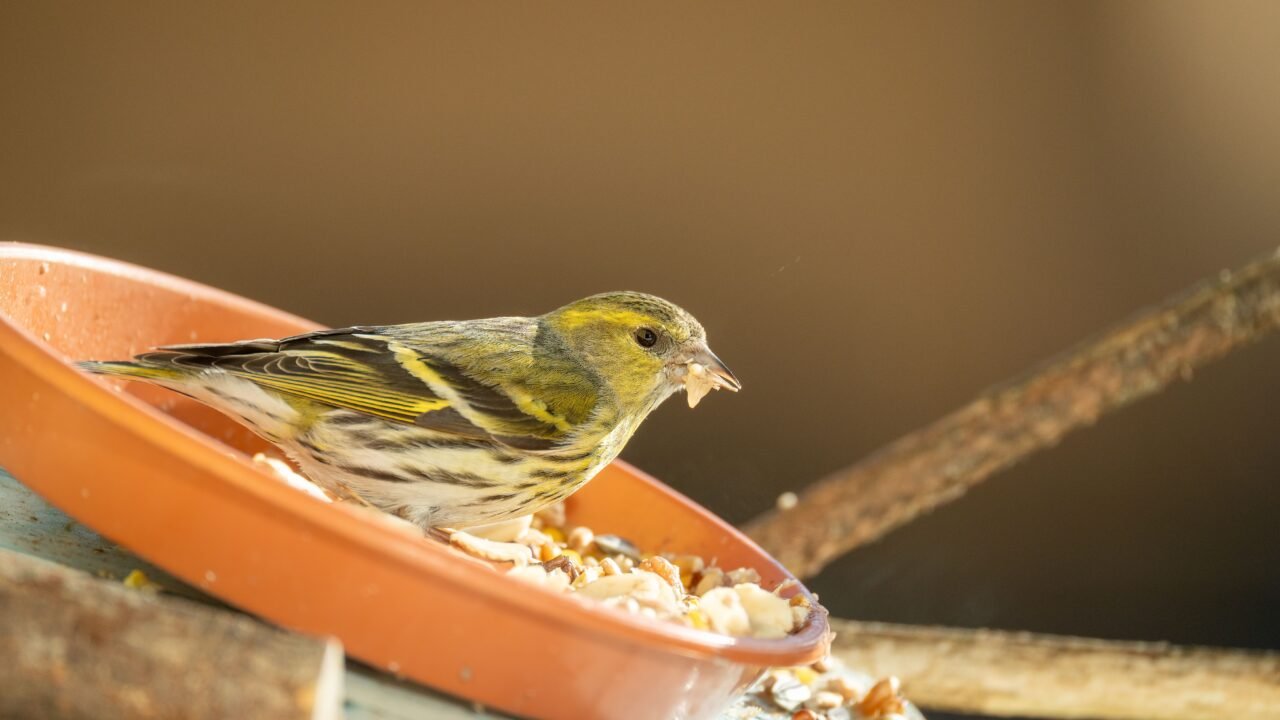
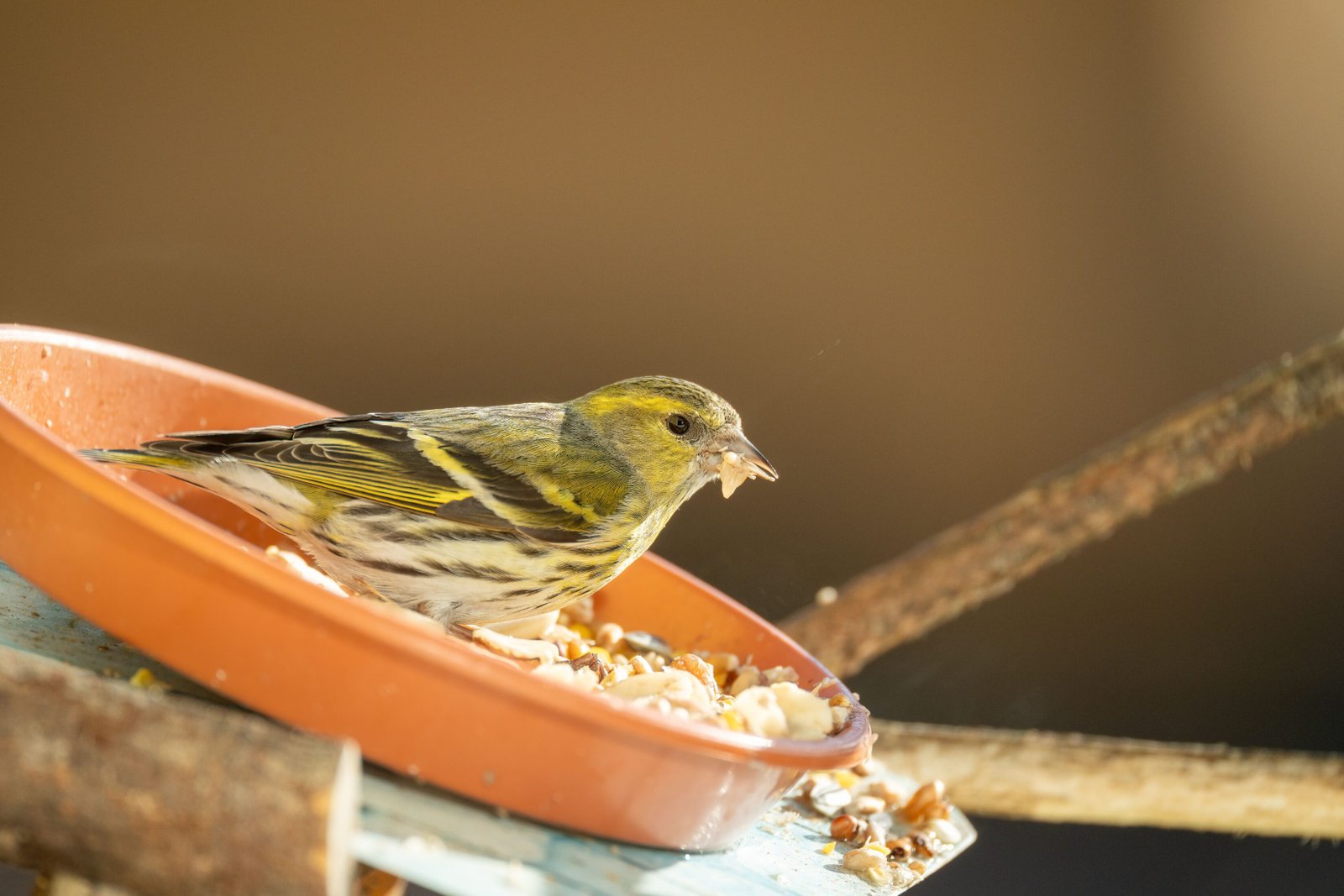
How often should you clean bird feeders? Current RSPB guidance is clear: clean wild-bird feeders at least once a week. That advice has become more important as conservation organizations respond to disease transmission at feeding stations. Cleaning is only one part of safer feeding, though. Old food, droppings beneath the feeder, damp seed and crowding can all contribute to disease risk, so the whole feeding area needs attention.
Weekly cleaning is now the baseline
The RSPB’s current garden-bird health guidance recommends a thorough feeder clean at least weekly. The organization strengthened its hygiene advice after reviewing disease risks, particularly trichomonosis in finches.
Do not just pour fresh seed on top of old food
When you refill a feeder, remove leftovers first. Food should not sit damp and compacted at the bottom while new food is added above it. The RSPB advises that food should ideally be eaten within one or two days and that old food should be discarded rather than reused.
Take the feeder apart for a proper clean
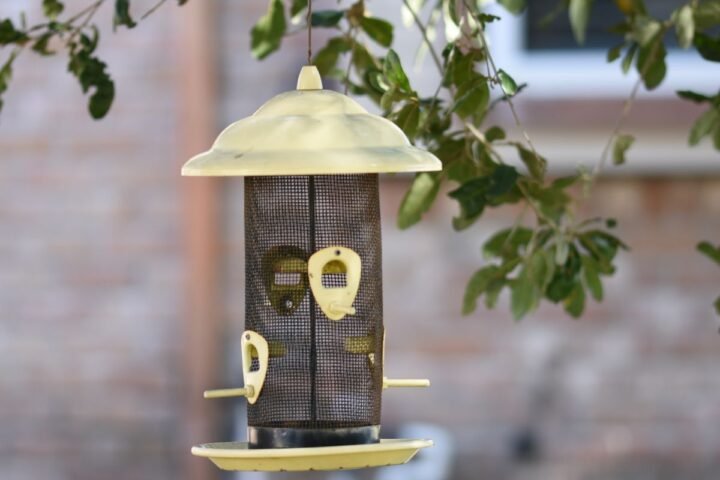
A quick wipe across the outside is not enough. The RSPB recommends dismantling feeders so food residues can be removed from ports, bases and seams. These hidden areas stay damp longer and can collect material that birds contact repeatedly.
Clean feeders outside, not in the kitchen sink
Wear gloves and use a dedicated bucket and brush outdoors. That keeps wild-bird waste away from food-preparation surfaces. Scrub with hot soapy water, rinse, then use an appropriate animal-safe disinfectant according to its instructions.
Rinse thoroughly after disinfecting
Disinfectant residue should not remain where birds will eat. The RSPB recommends rinsing cleaned components with fresh water and allowing them to dry completely before reassembly and refilling.
Drying matters because damp food supports disease
Seed that stays wet can spoil and create conditions that favor disease organisms. Choose feeders that keep rain out, allow drainage and limit condensation. Do not refill a feeder while its interior is still wet from cleaning.
Clean beneath the feeder every week too
Dropped seed, husks and droppings can turn the ground beneath a feeding station into a concentrated contamination zone. The RSPB now emphasizes cleaning old food and droppings from underneath as part of feeder hygiene, not treating the hanging feeder as the only surface that matters.
Move feeders regularly
Current RSPB advice recommends placing the feeder in a different location after cleaning, ideally weekly, to reduce buildup of contaminated material in one patch of ground. This is a newer practical point that many older bird-feeding guides did not emphasize.
Avoid flat feeding surfaces
After a scientific review, the RSPB no longer recommends bird tables or other flat-surface feeders because contaminated food can remain accessible to many birds. Tube-style or other easy-clean feeder designs that keep food drier and reduce accumulation are preferable.
Disease outbreaks change the normal weekly routine
If you see birds showing signs of illness around the feeder, the RSPB recommends stopping feeding for at least three weeks and emptying bird baths. Restart only when sick birds are no longer being seen. This break reduces repeated congregation at a potentially contaminated site.
Bird baths need even more frequent water changes
The RSPB recommends replacing bird-bath water with fresh tap water every day and thoroughly disinfecting baths weekly. If you cannot maintain the bath, it is safer to leave it dry than allow stagnant contaminated water to remain.
Current UK guidance also changes what to feed seasonally
In 2026 the RSPB strengthened its seasonal feeding advice. It now recommends pausing seeds and peanuts from 1 May through 31 October, while small amounts of mealworms, fat balls or suet can continue. This advice is aimed at reducing trichomonosis risk during the higher-risk season. Guidance may differ outside the UK, so check local conservation recommendations.
More feeding stations can reduce crowding
Where practical, the RSPB suggests several separate feeding stations rather than concentrating all birds at one point. Lower crowding can reduce direct contact and contamination between species.
Rodents are another reason to remove spilled food
Old seed beneath a feeder attracts rats and mice. Clean ground, use the amount birds can finish promptly and store feed in secure containers. Hygiene around feeders protects more than birds.
Cleaning frequency should increase when conditions are wet or busy
Weekly is a baseline, not a maximum interval. If food gets soaked, droppings build up rapidly or large numbers of birds use the feeder, clean sooner. Waiting for the feeder to look visibly dirty misses contamination you may not see.
The feeder design should make weekly hygiene realistic
Our bird feeder guide covers food choice, feeder design and disease prevention. If a feeder is so complicated that you avoid taking it apart, replacing it with an easy-clean design may improve bird safety more than buying another decorative feeding station.
A clean feeder is an ongoing routine, not a spring-cleaning job
Wild birds return repeatedly to feeding sites. Cleaning at least weekly, changing old food, clearing the ground, moving the station and responding quickly to sickness turns feeding from a casual habit into safer wildlife care.

0 comments