
Best Treats for Ferrets: Meat-Based Rewards That Do Not Undermine the Main Diet
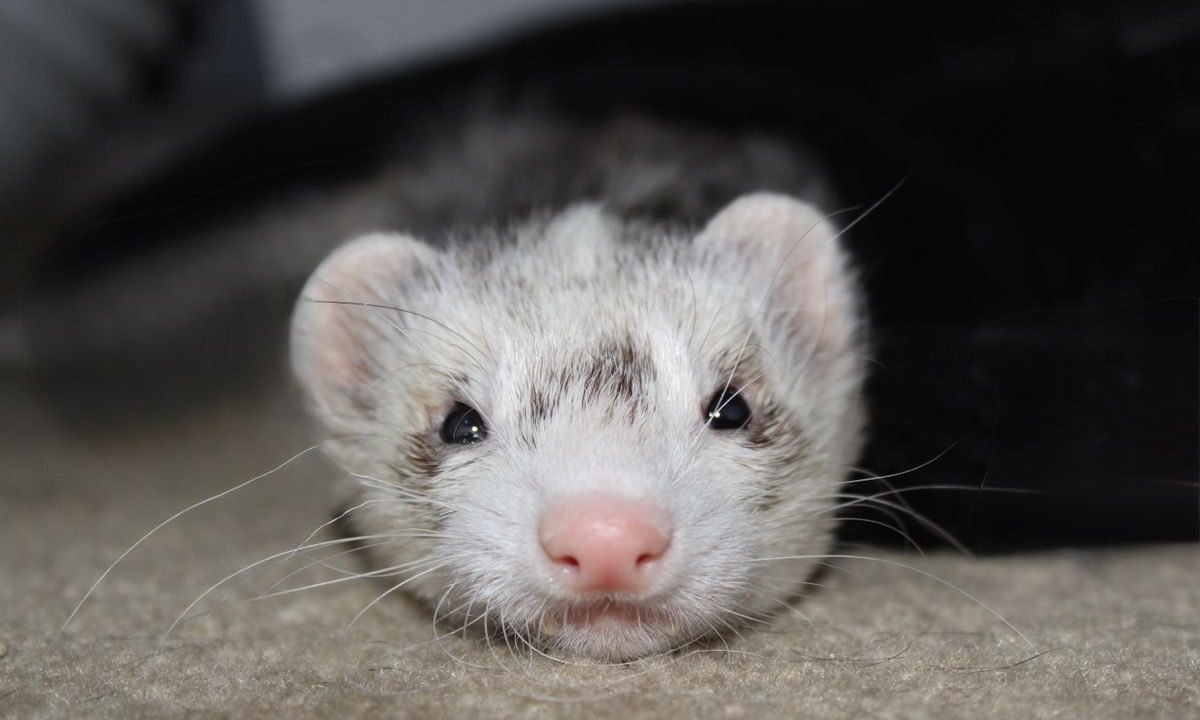
The best treats for ferrets are usually much simpler than the brightly packaged snacks sold for small pets. Ferrets are obligate carnivores, so a treat should look nutritionally similar to the main diet: animal-based, low in carbohydrate and given in a genuinely small amount. Treats can be useful for training, handling and enrichment, but they should not quietly become a second diet.
Plain cooked meat is a strong default choice
Current VCA ferret-feeding guidance lists a small piece of cooked meat as an acceptable occasional treat. Plain chicken, turkey or another suitable cooked meat can work well when it is unseasoned and cut into tiny pieces. Remove bones unless you are following a veterinarian-designed feeding plan.
Commercial ferret treats can work if the ingredients fit
The RSPCA’s ferret diet guidance says suitable treats include small pieces of meat and cat or ferret treats. The important part is the ingredient list. Look for animal-based ingredients and avoid products built around sugar, fruit, cereal, syrup or vegetable starch.
Some cat treats are acceptable, but not every cat treat
A meat-based cat treat with a simple ingredient list may be reasonable in a tiny amount. A soft sweetened cat treat loaded with starch is less appropriate. “Made for cats” is not enough by itself; compare the product with the same high-protein, low-carbohydrate pattern recommended for ferrets.
Keep treats physically small
Ferrets do not need a large chunk to recognize a reward. For training, use tiny pieces that can be eaten quickly so you can reward several good choices without giving a meal’s worth of extras. One larger treat can often be cut into multiple rewards.
Do not use fruit as a “healthy” reward
Fruit is healthy in many human diets, but ferrets are not small humans. VCA advises avoiding fruit, raisins and vegetables because ferrets handle carbohydrate poorly. Merck similarly warns against sugary foods such as fruit and honey, especially given the species’ susceptibility to insulinoma.
Dairy is not a good training treat
Cheese is commonly suggested informally because ferrets may like it, but VCA recommends avoiding dairy. A reward should not be something that risks diarrhea or digestive upset merely because it smells attractive.
Avoid sweet pastes unless your veterinarian has a specific reason
High-sugar pastes can deliver a concentrated carbohydrate load. If a medication must be given with a specific product, follow veterinary advice, but do not make sugary paste an everyday bonding snack.
Treats should not replace the food bowl
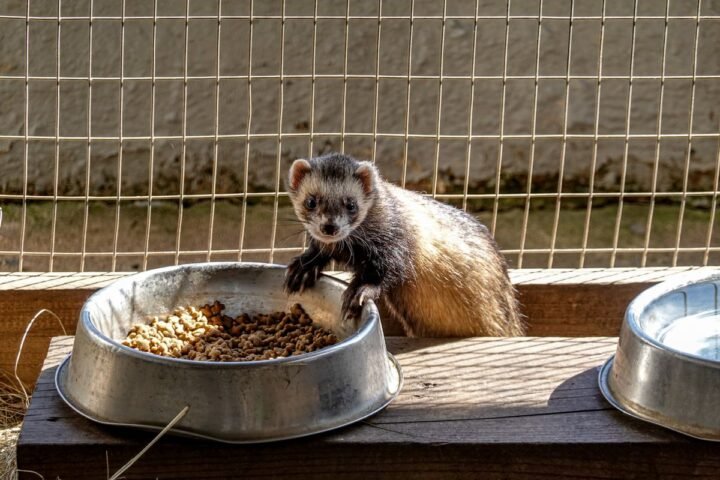
RSPCA guidance says ferrets need to eat little and often and should have appropriate food available throughout the day. If a ferret begins holding out for treats or leaving the complete diet, reduce extras and return attention to normal feeding.
Use the ferret’s normal food as a reward too
Not every reward needs to be special. A few pieces of the normal kibble can work during simple training, especially when the ferret is already motivated by food. That makes calorie control easier because the reward comes from the normal daily ration.
Food toys can make a small treat more valuable
The RSPCA encourages foraging by hiding food or using food toys. Instead of giving a treat directly every time, place a tiny meat-based reward inside a safe puzzle or scatter several pieces in a supervised play area. The animal gets both food and activity.
Do not overuse calorie-dense supplements as treats
VCA notes that products sometimes called “duck soup” are intended for sick ferrets needing extra calories and can contribute to obesity when fed routinely to healthy ferrets. A medical recovery food is not automatically a good everyday snack.
Raw treats require the same caution as raw diets
Raw meat can carry pathogens, and homemade raw feeding can become nutritionally unbalanced. If raw meat or whole prey is part of your ferret’s established veterinary-approved diet, follow that plan. Do not introduce raw meat casually because it sounds more natural.
Treat choice can change with age and health
A growing kit, pregnant jill, older ferret or animal with insulinoma, dental disease or gastrointestinal problems may need different feeding decisions. VCA specifically notes that formulated diets exist for different life stages. Ask your veterinarian before using treats to solve appetite or medication problems.
The main diet still matters more than the reward
Our complete ferret food guide explains the protein, fat and low-fiber pattern the everyday diet should follow. A treat should complement that diet rather than pull nutrition in the opposite direction.
A good treat earns attention without changing nutrition
If the reward is tiny, meat-based, easy to digest and occasional, it can be useful for training without creating a second feeding problem. The best ferret treat is not the sweetest or most exciting one; it is the one that works without undermining the rest of the diet.
0 comments