
Crystal Cat Litter: Silica Safety, Dust, Odor Control and Who It Suits
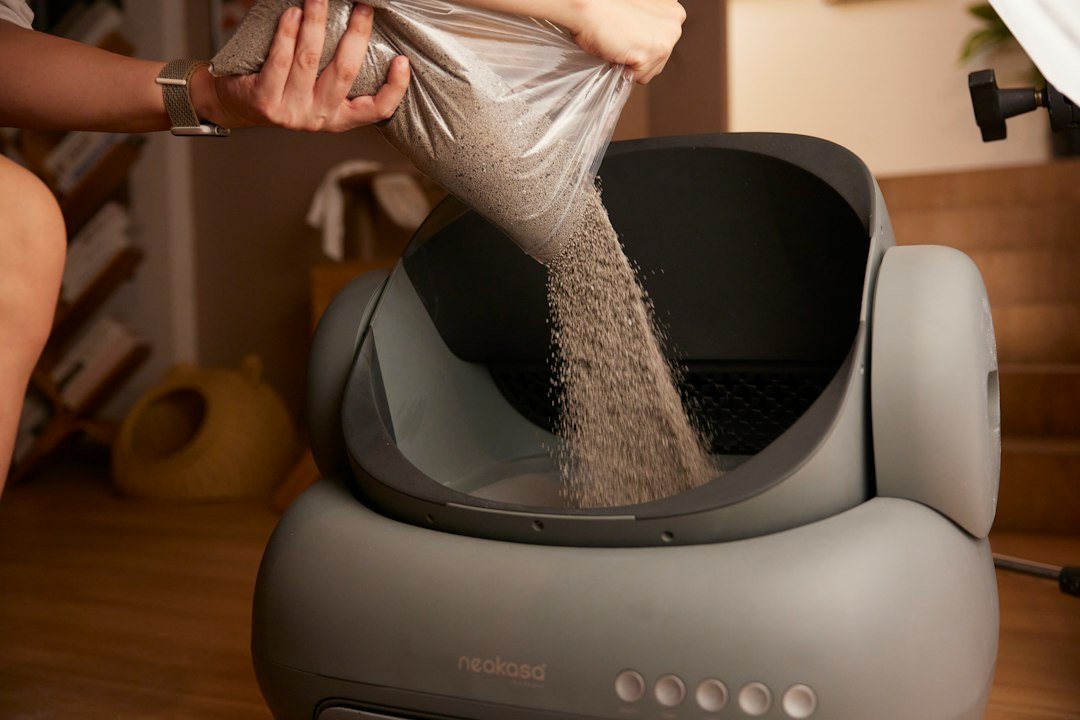
Crystal cat litter is usually made from silica gel granules designed to absorb moisture and reduce odor. It can last longer between full changes than some traditional litters, but “crystal” does not automatically mean dust-free, low tracking or suitable for every cat. The best litter is one the cat will reliably use and the household can maintain cleanly.
What crystal litter is made from
Most crystal litters use amorphous silica gel rather than the crystalline silica associated with occupational silicosis risk. Even so, any dusty litter can irritate the airways of sensitive cats or people, so low-dust handling still matters.
If your cat coughs, wheezes, develops nasal irritation or seems uncomfortable around the box, discuss the symptoms with a veterinarian and consider whether the litter environment is contributing.
How crystal litter controls moisture
Silica gel granules absorb liquid into their porous structure. Depending on the product, solid waste is scooped while urine moisture is absorbed and the litter is stirred to distribute saturation. The exact maintenance schedule should follow the manufacturer’s directions and your cat’s actual use.
Our cat litter replacement guide explains why top-ups and full changes should be based on litter type, odor, cleanliness and number of cats rather than one universal calendar.
Odor control: good, but not magic
Crystal litter can control urine odor well when the box is clean and the litter has not reached saturation. It does not remove the need for daily solid-waste scooping, regular box washing and adequate litter-box numbers.
If odor suddenly increases despite normal cleaning, check for urine-volume changes or diarrhea rather than simply adding fragrance.
Dust and respiratory sensitivity
Some crystal litters are marketed as low dust, but dust levels vary by product and by how the bag is poured and handled. Pour gently, avoid shaking the box aggressively and replace products that create a visible dust cloud.
For a broader approach to minimizing airborne particles, see our low-dust cat litter guide.
Do cats like the texture?
Some cats accept crystal litter immediately; others dislike the harder granules under their paws. Cats that have used a fine, soft substrate for years may resist a sudden switch.
If changing litter, keep one familiar box available while introducing the new substrate gradually when possible. Avoid changing box location, litter type and box style all at once—you will not know which change the cat disliked.
Crystal litter and sensitive paws
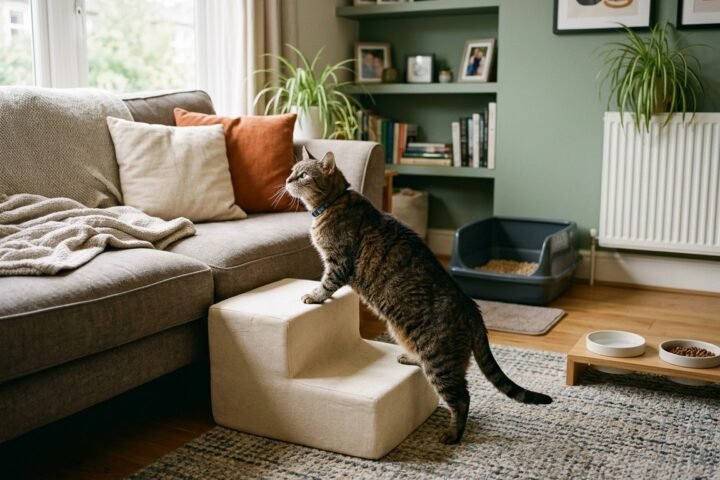
Kittens, senior cats, declawed cats and cats with paw pain or arthritis may prefer a softer substrate. Watch how the cat enters, digs and exits. Hesitation, perching on the rim or eliminating beside the box can indicate discomfort or aversion.
Senior cats may also need low-entry boxes; see our senior litter-box setup guide.
Can crystal litter help you monitor urine?
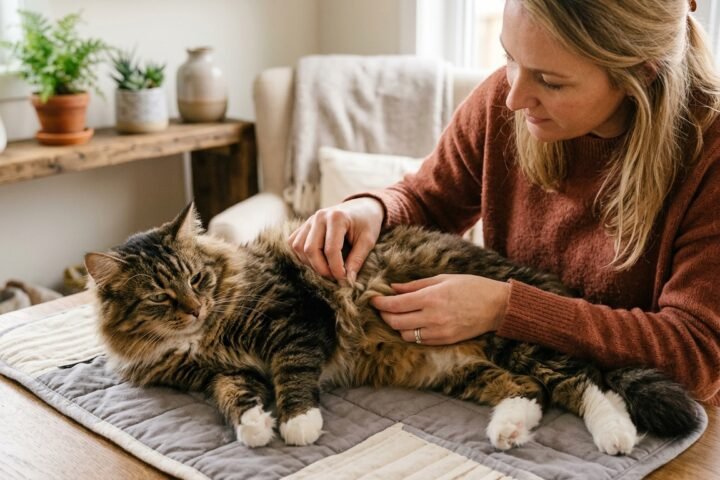
Light-colored crystals can make changes in urine color easier to notice, and some products include pH-indicator systems. These tools can be useful prompts to seek veterinary care, but they do not diagnose urinary disease.
Straining, frequent small urinations, crying in the box, blood in urine or repeated trips with little output need prompt veterinary attention. In male cats, inability to pass urine is an emergency.
Crystal litter versus clumping clay
Swipe horizontally to view the full table.
| Feature | Crystal litter | Clumping clay |
|---|---|---|
| Urine handling | Absorbs moisture into granules | Forms scoopable clumps |
| Texture | Coarser crystals | Usually finer |
| Dust | Varies by product | Varies by product |
| Tracking | Often lower, but not always | Can track fine particles |
| Urine volume visibility | Harder to quantify in some products | Clump size can offer a rough visual cue |
Unscented is often the safer starting point
Strong fragrance may be pleasant to people but can discourage some cats. If you are choosing a crystal litter for the first time, an unscented option reduces one variable.
Our hypoallergenic cat litter guide explains why “hypoallergenic” is a marketing term rather than a guarantee and why dust and fragrance often matter more than the label.
How deep should crystal litter be?
Follow the product instructions and observe your cat’s digging behavior. Too little litter can leave urine pooling before absorption; too much can make the surface unstable. The ideal depth is one the cat can dig comfortably while allowing the product to work as intended.
Multi-cat homes
One box of crystal litter will saturate faster in a multi-cat household. More cats also increase the chance that one animal dislikes a box used heavily by another.
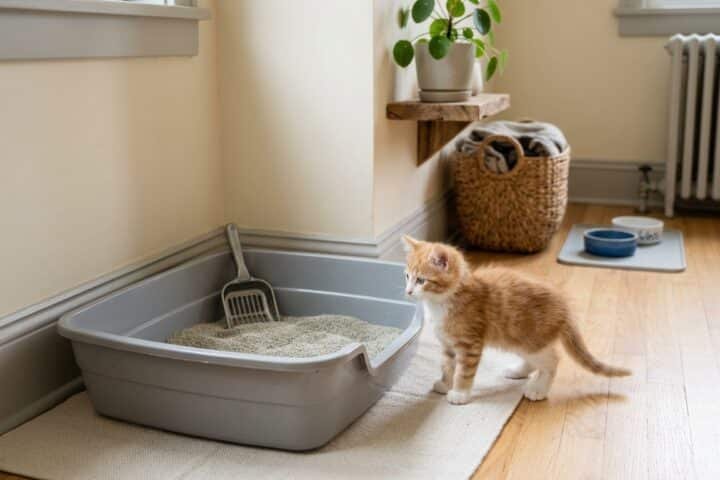
A common starting point is one litter box per cat plus one extra. Our multi-cat litter-box guide explains the reasoning and how to distribute boxes around the home.
When crystal litter is a poor fit
Choose another substrate if the cat avoids the box, dislikes the texture, develops respiratory irritation around the litter, or the household cannot maintain it at the required frequency. Litter preference matters because avoiding the box can become a welfare and medical problem.
If a previously reliable cat starts eliminating outside the box, do not assume stubbornness. Our cat litter-box problems guide covers medical causes, setup and behavior.
Bottom line
Crystal cat litter can offer strong moisture and odor control with relatively infrequent full changes, but it is not automatically the best choice for every cat. Prioritize low dust, an unscented formula, comfortable texture, adequate box numbers and the cat’s actual preference. A litter the cat refuses to use is never a good litter, regardless of how well it performs on paper.
0 comments