
Hypoallergenic Cat Litter: What the Label Means and How to Choose for a Sensitive Cat
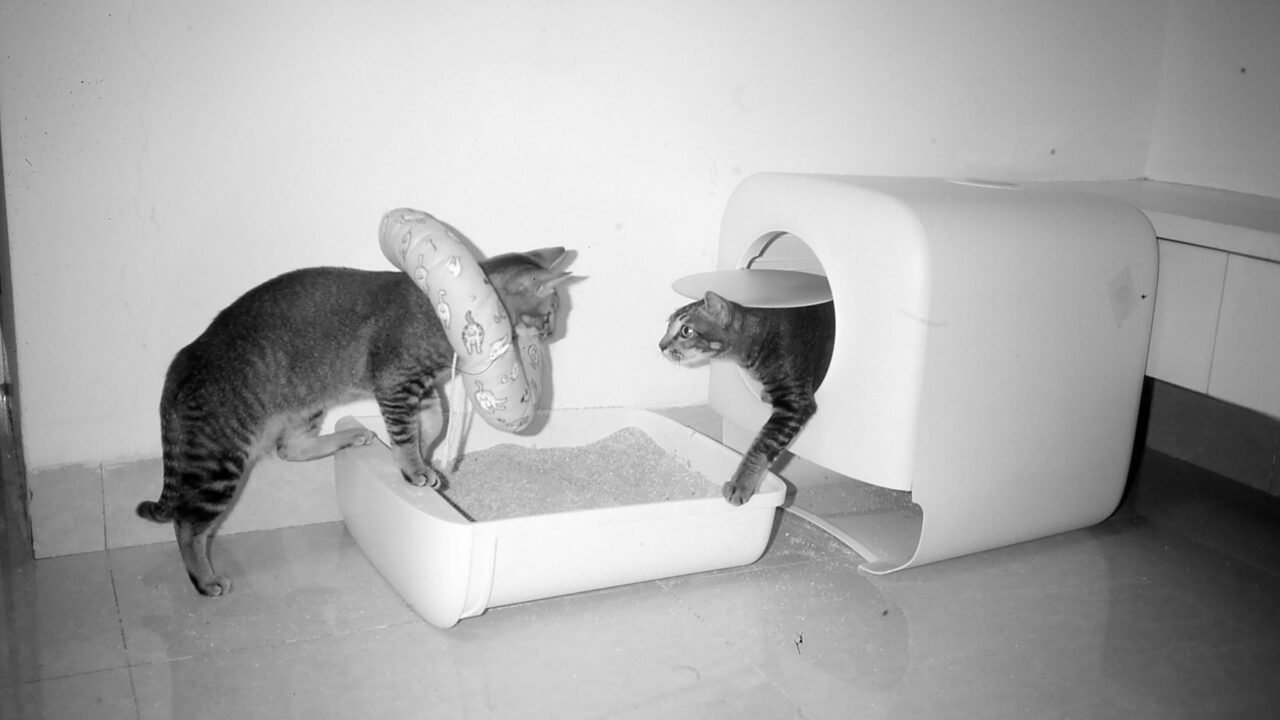
“Hypoallergenic cat litter” sounds reassuring, but it is not a medical guarantee. Cats can react to dust, fragrance, cleaning products or environmental irritants, and respiratory or skin signs can also come from conditions that have nothing to do with litter.
So instead of looking for one magic label, focus on features you can actually evaluate: low visible dust, little or no added fragrance, a texture your cat will use reliably, easy cleaning, and a gradual transition if you change products.
Start with low dust and no strong perfume
A litter that creates a visible cloud every time the cat digs can add airborne particles to the room. Strongly scented products can also be aversive. Cats Protection advises avoiding scented litter because cats have a sensitive sense of smell and strong fragrance can discourage tray use.
Low-dust and unscented are useful starting features, but they are not the same as “allergy-proof.”
Do not assume natural materials cannot irritate
Plant-based, wood, paper, clay and silica litters all have different particle sizes and handling characteristics. “Natural” does not automatically mean a cat will tolerate a product better.
Our cat litter alternatives guide compares common materials. Use it to understand the practical differences rather than choosing solely from packaging claims.
Watch what happens when the cat digs
The easiest real-world dust test happens during normal use. If digging creates a haze above the box or leaves powder on nearby surfaces, the litter may be dustier than you want.
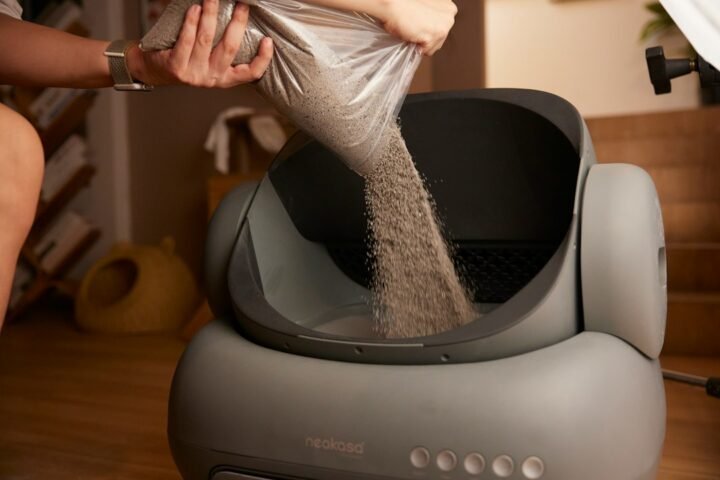
Pouring technique matters too. Dumping litter from shoulder height can create dust even with a relatively low-dust product. Pour slowly and close to the tray.
Texture still matters to the cat
A very low-dust pellet may look ideal to a person but feel unpleasant to a cat accustomed to fine litter. Cats Protection notes that many cats prefer a fine, sand-like texture because it is comfortable to dig in.
The right litter therefore has to balance household goals with the cat’s actual preference.
Unscented litter usually makes evaluation easier
When you are trying to reduce possible irritants, added fragrance complicates the picture. Choose an unscented version and control odor through regular scooping and full changes rather than perfume.
If odor remains despite good cleaning, look at box number, size, depth and replacement frequency rather than adding deodorizer.
Change one thing at a time
If a cat is sneezing, overgrooming or avoiding the box, it is tempting to replace litter, cleaner, food and room fragrance all at once. That makes it difficult to know what helped.
Start with obvious environmental irritants such as heavy litter dust, scented litter or strong litter deodorizers, while arranging veterinary care if the cat has persistent clinical signs.
Do not diagnose asthma from the litter box
Coughing, wheezing, open-mouth breathing, persistent nasal discharge or labored breathing can have important medical causes. Changing litter is not a substitute for diagnosis.
If your cat is struggling to breathe, seek urgent veterinary care. If coughing or sneezing is recurring, arrange an examination even if you suspect dust.
Low-dust litter can still track
Dust and tracking are related but not identical. Large lightweight particles may track on paws even when they produce little airborne dust. A mat outside the tray can help, as long as the cat is comfortable walking over it.
Vacuum or sweep the area regularly rather than letting tracked particles accumulate through the home.
Clean the tray without strong residual fragrance
During full litter changes, wash the box with hot soapy water or a cat-safe cleaner and rinse it well. Avoid leaving strong perfume behind. Cats Protection recommends regular cleaning and emphasizes unscented litter for many cats.
The box should be fully dry before fresh litter is added.
Replace badly scratched plastic boxes
Deep scratches can hold odor and residue even when the box is washed. If a tray stays smelly or grimy despite normal cleaning, replacing the box may help more than repeatedly changing litter brands.
Transition gradually when your cat already uses the box well
A sudden change in substrate can create a new problem: litter-box refusal. Mix a small amount of the new litter into the familiar product and increase it gradually, or place the new litter in a second box so the cat can choose.
Our cat litter-box problems guide covers medical causes, setup, location and social stress when a cat begins toileting outside the box.
Multi-cat homes need enough boxes
A sensitive cat may avoid a perfectly good litter if another cat guards the route to the tray. A common starting point is one box per cat plus one extra, distributed in different useful locations.
Our two-cat litter-box guide explains why three boxes can be a useful starting point for two cats.
Keep litter depth comfortable
Too little litter may leave urine pooling on the base. Too much can make footing unstable. Cats Protection suggests around 3 cm as a general starting depth, then adjusting for individual preference.
What if the cat is sensitive to dust but refuses pellets?
Do not force a texture the cat will not use. Try another low-dust product with a finer grain. Brands and formulas within the same material category can differ substantially in dustiness and texture.
Our low-dust cat litter guide gives a practical method for comparing products based on what happens in your home rather than relying on the front of the bag.
When “hypoallergenic” is mostly a marketing word
If a package uses the term but still contains fragrance, creates obvious dust or offers no useful information about material and additives, the word should not override what you can observe. Read the full product description and ingredient/material information where available.
When to involve your veterinarian
Book an assessment if your cat has ongoing coughing, wheezing, nasal discharge, itchy or inflamed skin, hair loss, persistent paw licking, eye irritation or sudden litter-box avoidance. A medical problem can coexist with environmental irritation, and treating only the litter may delay the real diagnosis.
A practical checklist for a sensitive cat
Choose an unscented, low-dust litter in a texture the cat accepts. Pour it gently, keep the box clean, avoid strong deodorizers, introduce changes gradually and keep enough trays in quiet locations. Then watch the cat’s behavior and respiratory comfort rather than the marketing label.
The best litter is not the one with the strongest claim. It is the one your cat uses comfortably in a clean, accessible box without creating unnecessary dust or fragrance in the home.
Keep a simple symptom and litter log
If you are changing litter because you suspect irritation, write down the date of the change and what you are actually observing: sneezing episodes, coughing, eye discharge, paw irritation, overgrooming, visible dust and litter-box use. A short log is more useful than trying to remember whether the cat “seems better.” It also gives your veterinarian clearer information if signs continue.
Avoid changing several household products at the same time. If you switch litter, room fragrance, floor cleaner and food together, improvement does not tell you which change mattered.
Consider the person cleaning the box too
Some owners choose low-dust litter because they themselves are sensitive to airborne particles. That is reasonable, but keep the cat’s preference central. A product that is comfortable for the person but causes the cat to avoid the tray creates a larger welfare and hygiene problem. The best compromise is usually a low-dust, unscented product with a texture the cat already accepts.
0 comments