
Bird Vomiting vs Regurgitation: How to Tell the Difference and When It Is Urgent
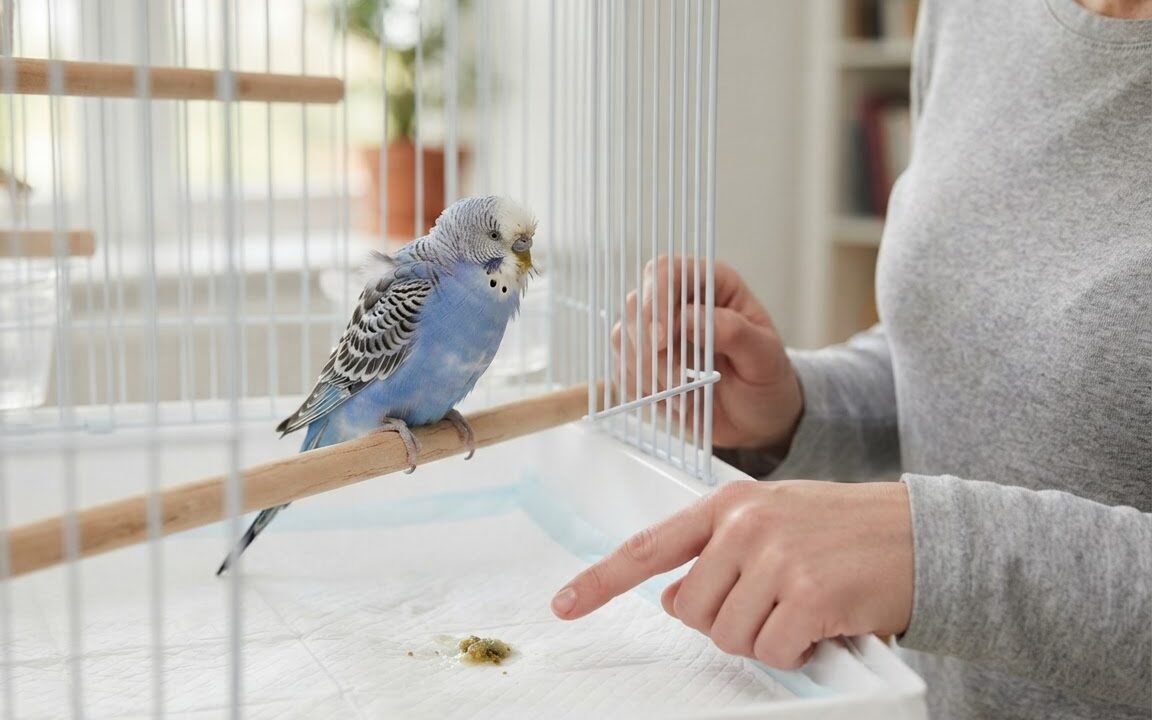
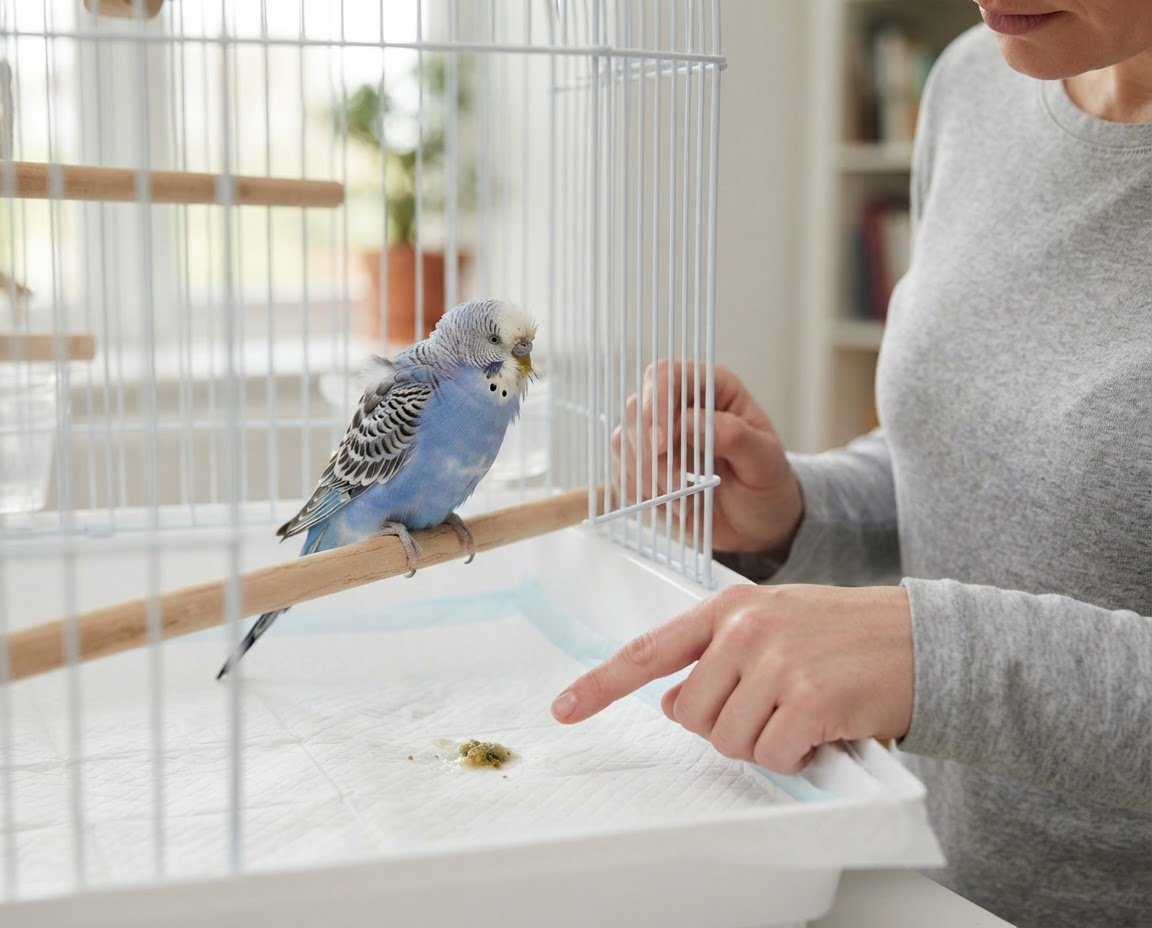
Seeing food come back out of a bird’s mouth can be confusing because birds can regurgitate as part of normal social behaviour and can also vomit when they are ill. The two can look similar from across the room, but the context and the way the food is expelled often differ.
The safest approach is to watch the whole event rather than judging from the food alone. Is the bird alert and deliberately offering food to a person, toy or mirror? Or is material being flung onto the head and cage while the bird looks weak, fluffed or uncomfortable?
Regurgitation is often deliberate and socially directed
Many parrots regurgitate during courtship or bonding. The bird may bob the head rhythmically, bring up softened food and direct it toward a favoured person, another bird, a toy or a mirror.
The bird is often otherwise bright and active. That does not mean every repeated regurgitation is harmless, but the behaviour can be normal in a social or hormonal context.
Vomiting is more likely to look uncontrolled
True vomiting is usually less deliberate. Material may be scattered on cage bars, nearby surfaces or feathers around the head and face.
VCA lists vomiting, including mucus stuck to head feathers, among important illness signs in pet birds. A bird that vomits and also becomes weak, fluffed or less interested in food needs prompt veterinary assessment.
Watch where the material lands
Food neatly offered toward one target fits regurgitation more closely. Food sprayed unpredictably around the cage or stuck to the head is more concerning for vomiting.
This is not a perfect diagnostic rule, but it is useful information to record for an avian veterinarian.
Body language can be more informative than the food
A regurgitating bird may remain interactive and coordinated. A vomiting bird may look nauseated, shake the head, appear fluffed, sit low, close the eyes or lose interest in the surroundings.
If the bird cannot perch normally, is breathing differently or seems weak, treat the situation as illness until an avian veterinarian says otherwise.
Repeated regurgitation still deserves a closer look
Even when the behaviour looks social, very frequent regurgitation can irritate the crop or become associated with excessive hormonal stimulation.
Mirrors, dark nest-like spaces, huts, stroking over the back or wings and prolonged daylight can encourage reproductive behaviour in some parrots. Reducing those triggers may help when the bird is otherwise well.
Do not punish courtship behaviour
Regurgitation is not disobedience. Move the interaction in a calmer direction rather than scolding the bird. Avoid reinforcing intense pair-bonding behaviours with prolonged body petting.
Vomiting plus appetite loss is more serious
A bird that vomits and then stops eating can deteriorate quickly. Small birds have limited energy reserves and may already have been ill before the outward sign became obvious.
Our bird not eating guide explains why reduced intake deserves prompt attention.
Check the droppings too
Vomiting can occur alongside changes in droppings. Look for reduced number, marked wateriness, unusual colour or blood.
Our bird droppings guide explains which changes are useful to record.
Weight adds objective information
A bird that has been losing weight and starts vomiting has less reserve than a bird with stable weight and one isolated social regurgitation event.
Use our bird weighing guide for a low-stress routine and bird losing weight for interpreting a downward trend.
Possible causes of vomiting are broad
Infection, crop disease, liver disease, kidney disease, toxins, gastrointestinal problems and other conditions can all be involved. That is why vomiting should not be treated with a generic home remedy.
VCA notes that liver disease in birds can include anorexia, increased thirst, regurgitation and other nonspecific signs, illustrating why the surrounding clinical picture matters.
Do not force food or water after vomiting
A weak or poorly swallowing bird can aspirate material placed into the mouth. Do not syringe-feed unless an avian veterinarian has assessed the bird and shown you the correct technique.
Do not give human anti-nausea medication
Human medicines can be inappropriate or dangerous for birds. Treatment depends on the cause, body weight and species.
Crop problems can confuse the picture
A slow-emptying crop, infection or obstruction can cause abnormal food retention and regurgitation-like behaviour. If the crop remains full for an unusually long time or the bird smells abnormal around the mouth, tell the veterinarian.
Foreign material and toxins matter
Birds chew plants, metals, toys and household objects. If vomiting follows access to a new object, plant, medication or chemical, bring that information to the clinic.
Do not induce vomiting at home.
Watch breathing after vomiting
Material can be aspirated into the airway. Coughing, wet breathing, pronounced tail bobbing or open-mouth breathing after vomiting is an emergency.
Our bird breathing problems guide covers urgent respiratory signs.
Take a photo before cleaning everything
If the bird is stable enough, photograph the material and the cage area. Note colour, consistency and whether it contains whole seeds, mucus or blood.
Clean the area afterward so the bird is not repeatedly exposed to spoiled food or discharge.
A short video can help distinguish the behaviour
If the event repeats and recording does not delay care, a brief video can show the head movements and whether the bird appears coordinated and deliberate.
This can be especially useful when the behaviour stops in the veterinary clinic.
When monitoring may be reasonable
A single brief episode that clearly looks like social regurgitation in a bright, normally eating bird may be monitored while you reduce hormonal triggers.
If you are uncertain whether it was vomiting, call an avian clinic and describe exactly what you saw.
When to contact an avian veterinarian promptly
Seek veterinary care when food is being flung unpredictably, material is stuck to the head, episodes repeat, the bird eats less, weight falls, droppings change or the bird becomes quiet or fluffed.
When it becomes an emergency
Collapse, inability to perch, open-mouth breathing, repeated vomiting with weakness, seizures, active bleeding or rapid deterioration requires urgent care.
Use our bird emergency warning-signs guide and bird first-aid guide while arranging transport.
What to tell the veterinarian
- whether the bird seemed to direct food toward a person, bird, toy or mirror;
- whether material was sprayed onto the cage or head;
- how many episodes occurred;
- current appetite and body weight;
- dropping changes;
- breathing or balance changes;
- possible toxin or foreign-object exposure;
- recent diet or medication changes.
The difference between bird vomiting and regurgitation is not just what comes out of the mouth. Intent, body language, frequency and the bird’s overall condition matter. When the event is uncontrolled or paired with weakness, appetite loss or other illness signs, treat it as a medical problem rather than normal courtship behaviour.
Hormonal context can help explain repeated regurgitation
If the bird repeatedly regurgitates toward one person, mirror or favourite object while otherwise acting normal, look at the broader hormonal environment. Long daylight hours, nest-like spaces and body petting can reinforce pair-bonding behaviour. Reducing those triggers can be more useful than repeatedly interrupting the bird after the behaviour starts.
Clean the face gently after an episode
If food or mucus is stuck to feathers around the head, use a clean damp cloth only if the bird tolerates handling calmly. Do not scrub the nostrils or force the beak open. Persistent soiling around the face after repeated episodes strengthens the case for veterinary assessment.
Recovery should include normal appetite and activity
If a bird has been treated for vomiting, improvement should involve more than the absence of another episode. Normal eating, body weight, droppings, perching and social behaviour should also move back toward the bird’s usual baseline.
0 comments