
Cat Pooping Outside the Litter Box: Constipation, Box Problems and Stress
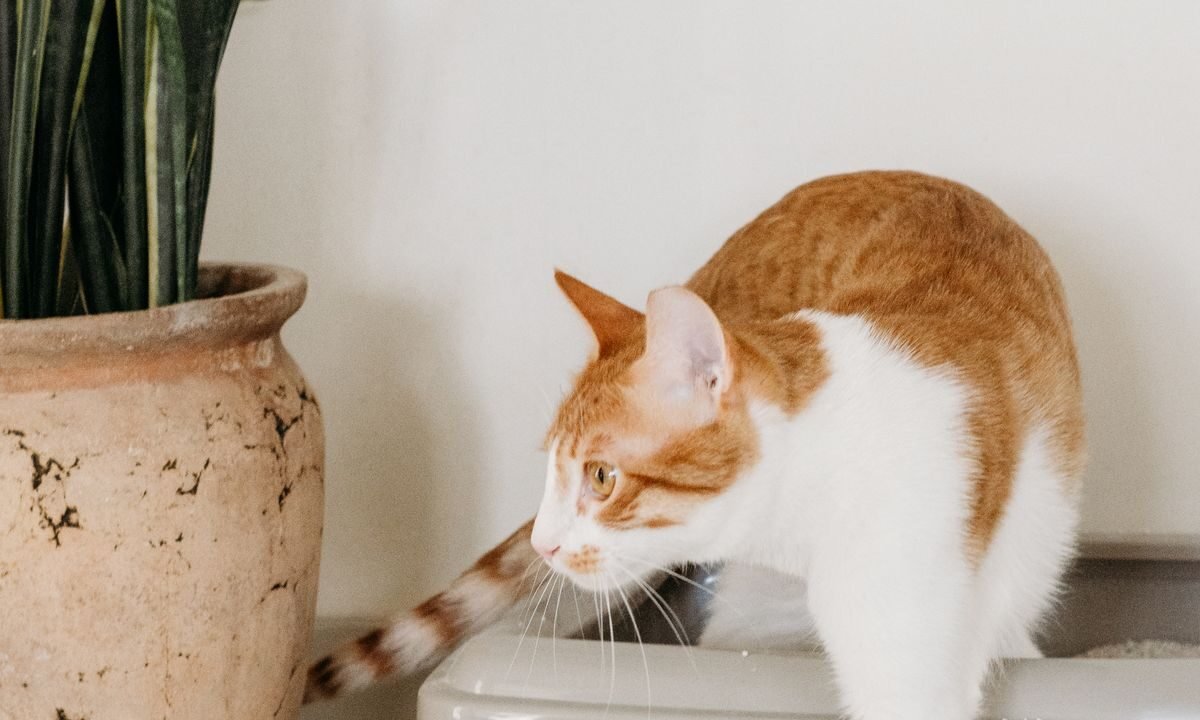
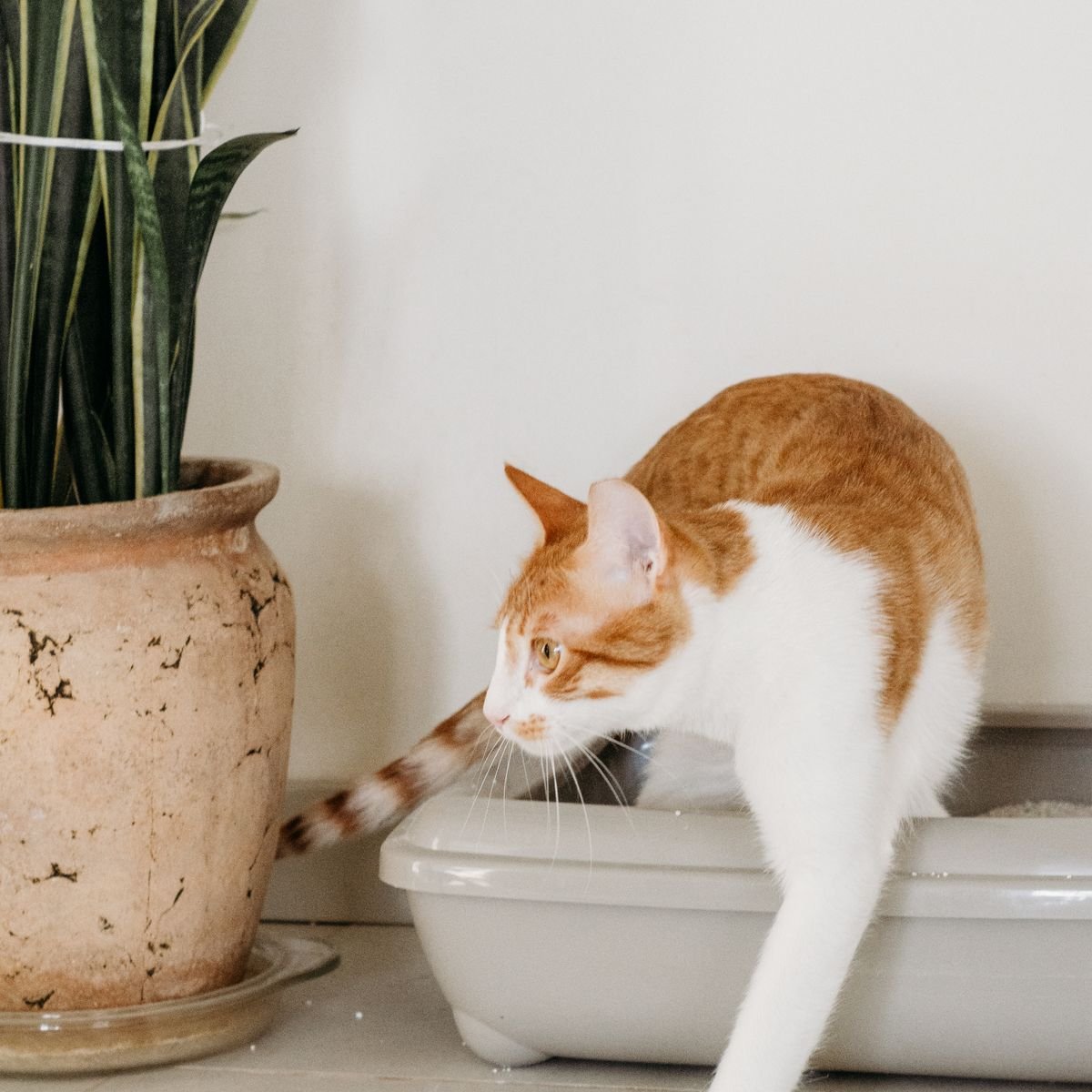
A cat that starts pooping outside the litter box is not being spiteful. Defecating elsewhere can happen because of constipation, diarrhea, pain, urgency, litter-box aversion, poor location, social tension or difficulty getting into the box.
Rule out medical causes first
Cornell notes that gastrointestinal problems, mobility disease and other medical conditions can lead to defecation outside the box. A veterinary examination is especially important when the behavior is new or persistent.
Constipation can create box avoidance
A cat that strains or passes hard, dry stool may begin associating the box with discomfort. Our cat constipation guide explains warning signs and when to seek care.
Diarrhea creates urgency
Loose stool may make it difficult for a cat to reach the box in time. Repeated diarrhea, blood, vomiting, weight loss or lethargy deserves veterinary attention.
Check whether the box is physically easy to use
Large cats need room to turn and posture. Senior cats or cats with arthritis may struggle with tall sides. Our senior litter-box setup guide explains low-entry options.
Location matters
A box beside a washing machine, in a noisy hallway or in a dead-end space can be less appealing. See our guide to the best litter-box locations for practical placement.
Multi-cat tension may be subtle
One cat can block access simply by sitting in a doorway or waiting nearby. If you have two cats, three boxes in separate useful locations is a practical starting point. See how many litter boxes two cats may need.
Keep boxes clean
Some cats tolerate very little soiling. Scoop at least daily and more often if needed. If a cat is repeatedly choosing a clean floor beside a dirty box, cleanliness may be part of the pattern.
Watch substrate preference
A cat may prefer carpet, bath mats or another soft surface if the current litter feels uncomfortable. Most cats prefer unscented, fine-textured litter, but individuals vary.
Do not punish accidents
Punishment adds stress and does not address pain, urgency or aversion. Clean accidents thoroughly and investigate the reason.
When the pattern is urgent
Seek prompt veterinary care for repeated straining, abdominal pain, vomiting, severe lethargy, blood in stool, no stool production, or a major sudden change in elimination.
Notice exactly where the stool is appearing
The location can help narrow the problem. Stool deposited directly beside the box may suggest that the cat wanted to use the area but disliked something about the tray, entry, litter or posture. Stool in a distant quiet room may point toward location preference, fear or urgency. Repeated use of one soft surface can indicate substrate preference.
Take notes for several days rather than relying on memory. Record time, stool consistency, box cleanliness and which cat was involved in a multi-cat home.
Separate constipation from simple box avoidance
Constipation can make defecation painful, and a cat may begin associating the box with that discomfort. Hard dry stool, repeated straining, small amounts of feces, reduced appetite or vomiting warrant veterinary attention. Do not repeatedly add laxatives or human remedies without guidance.
If constipation is suspected, our cat constipation guide explains the warning signs in more detail.
Diarrhea changes the investigation
A cat with loose stool may simply not reach the box in time. Repeated diarrhea also raises medical questions that litter changes cannot solve. Blood, weight loss, vomiting, dehydration or lethargy make veterinary assessment more important.
Large cats need genuinely large boxes
A cat can technically fit inside a tray and still find it awkward to posture. The cat should be able to enter, turn and dig without balancing on the rim or pressing against the sides. Storage-style boxes with a low entry can sometimes provide more usable space than small commercial trays.
Covered boxes help some households but not every cat
A cover can contain litter and odor for people, but it can also trap smells, reduce visibility and create one narrow exit. In a multi-cat household, that single doorway can make the cat feel vulnerable.
If problems started after adding a cover, offer an uncovered alternative rather than assuming the cat needs more training.
Keep litter depth consistent
Some cats dislike a very deep unstable layer, while too little litter may not allow normal digging and covering. Once you find a depth the cat uses reliably, keep it consistent rather than changing it every few days.
Do not move every box at once
If location seems wrong, add a better-positioned box before removing the old one. Abruptly moving the only familiar toilet can create another problem. Once the cat is using the new location reliably, the old box can be phased out if appropriate.
Clean accident sites thoroughly
Residual odor can encourage repeat use. Clean the area with a pet-safe enzymatic product and avoid strong ammonia-like cleaners that can leave an odor cats associate with urine or waste.
Cleaning alone will not fix the underlying cause, but it removes one cue that can reinforce the new location.
Watch for mobility changes
Arthritis does not always look like obvious limping. A cat may stop jumping, hesitate on stairs or stand with the front half inside the box while leaving the rear outside. Lower entry height and shorter travel distance can help.
Our cat arthritis guide covers subtle mobility signs.
Multi-cat households need more than a box count
Three boxes for two cats is a useful starting point, but distribution matters. Three trays lined up in one room can still be controlled by one confident cat. Spread boxes through different useful areas and avoid dead-end locations.
What to tell your veterinarian
Bring a simple history: when the problem began, stool appearance, frequency, appetite, weight changes, medication, diet changes and whether the cat strains. Photos of abnormal stool can be useful. In multi-cat homes, identify which cat is affected if possible.
A practical reset plan
- Arrange a veterinary check for a new or persistent change.
- Add at least one large, easy-entry box in a quiet location.
- Use an unscented litter the cat already accepts.
- Scoop frequently and keep the setup predictable.
- Reduce social blocking around the box.
- Clean previous accident sites thoroughly.
- Track stool quality and location for several days.
Cornell’s house-soiling guidance emphasizes that medical problems, litter-box aversion and location or substrate preference can all contribute. The useful response is therefore investigation, not punishment.
If the cat uses the box for urine but not stool
That pattern can be useful. It may suggest that the box is acceptable for brief urination but uncomfortable for the longer posture needed to defecate. Constipation, arthritis, box size and location become especially worth checking. Offer a larger easy-entry tray rather than assuming the cat has forgotten litter training.
If accidents happen only overnight
Think about access. Doors may be closed, another pet may control a hallway, or the cat may be reluctant to travel in the dark. A second box near the cat’s sleeping area can help reveal whether distance or social access is part of the problem.
Keep the cat’s normal routine as steady as possible while you investigate the cause.
Bottom line
Pooping outside the litter box is a symptom pattern, not a behavior diagnosis. Start with health, then evaluate box size, location, cleanliness, litter texture, mobility and social access. Our broader cat litter-box problems guide can help you work through the full checklist.
0 comments