
Paper vs Wood Bedding for Small Pets: Which Is Better for Hamsters, Guinea Pigs and Rabbits?
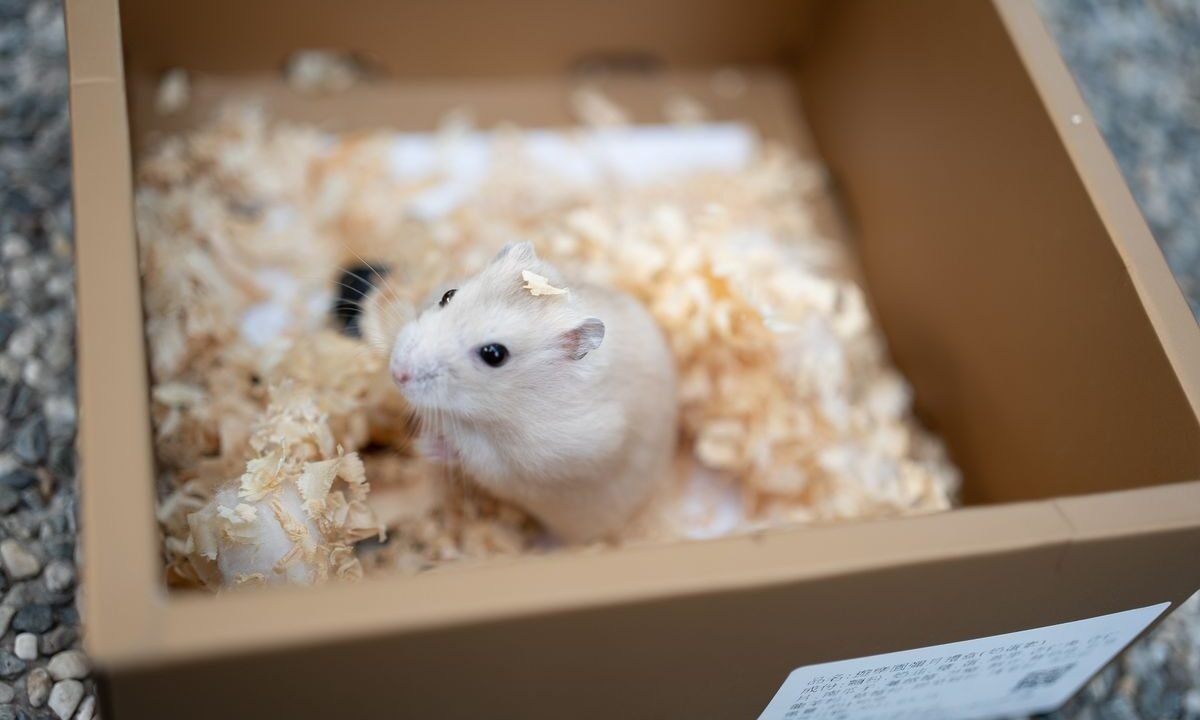
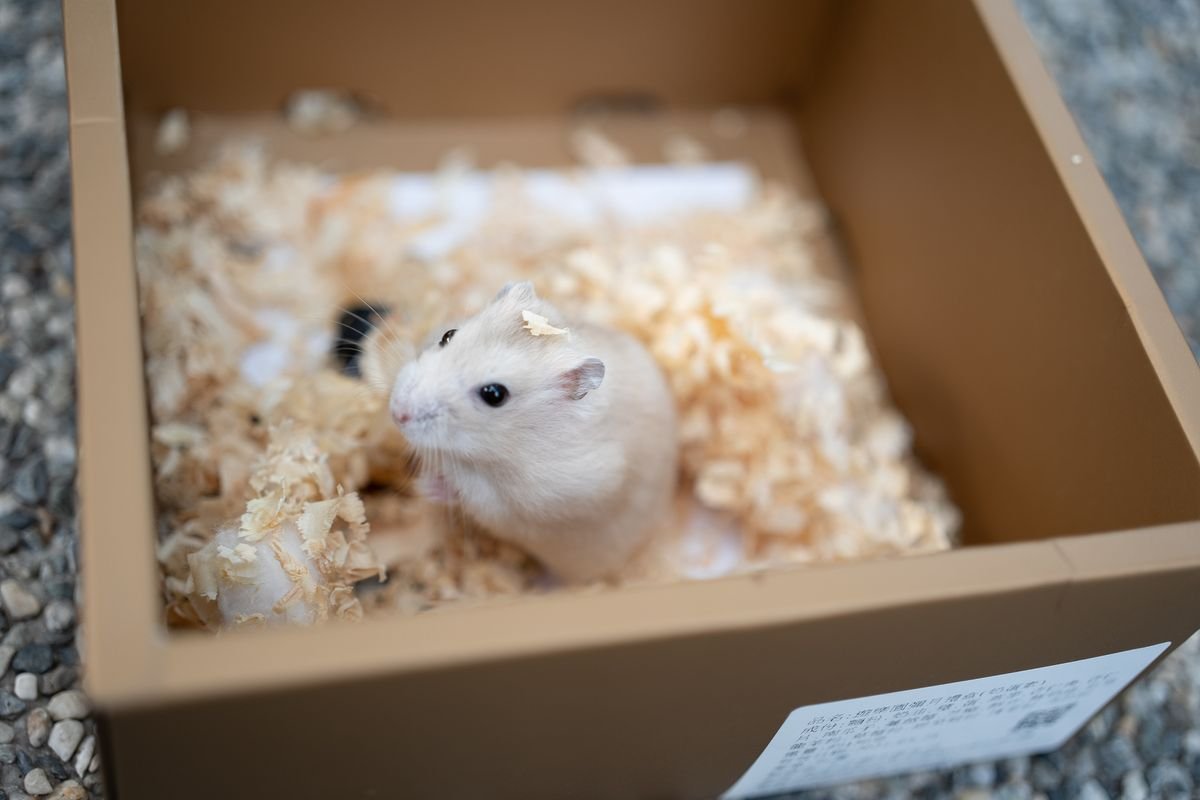
Paper vs wood bedding for small pets sounds like a simple product comparison, but the answer changes depending on whether the animal is a hamster, guinea pig or rabbit. Hamsters need deep substrate that holds burrows. Guinea pigs need a dry comfortable floor and constant hay. Rabbits use bedding and litter areas differently again. “Wood” also covers everything from fine dusty sawdust to processed wood pulp and dust-extracted aspen, which should not be treated as the same material.
Paper bedding has the simplest safety profile for many households
Good animal-safe paper bedding is usually soft, absorbent, low in dust and free from aromatic oils. PDSA recommends compressed paper bedding over sawdust for small pets because it is softer, less dusty and absorbs urine well.
Paper works especially well for hamster burrows
Hamsters need at least around 25 cm of bedding according to current PDSA guidance. Paper-based bedding tends to hold tunnel structure better than loose hardwood flakes. Our safest hamster bedding guide explains how paper can be mixed with safe aspen, spruce, hemp or soft hay for added structure.
Paper quality still matters
Avoid strongly scented paper bedding and products that produce visible dust. PDSA also warns against shredded newspaper for hamsters because of ink concerns. Use a purpose-made small-animal product or clean unscented paper material appropriate for the species.
Fine sawdust is not the same as a safe wood substrate
PDSA’s current substrate guidance advises against sawdust because fine particles can irritate the lungs. Blue Cross makes the same distinction for rabbits and is cautious about generic wood shavings for hamsters.
Selected hardwood or wood-pulp products can be useful
Aspen, spruce and hemp are accepted in current PDSA hamster guidance when low in dust, though they may need paper mixed in for stable burrowing. Processed wood-pulp bedding can also be highly absorbent and low-dust. Judge the exact product, not the word “wood.”
Aromatic softwoods deserve extra caution
Species-specific welfare advice often warns about cedar and sometimes pine. RSPCA guinea-pig guidance specifically says not to use softwood products such as pine, while Blue Cross warns against cedar. Strong-smelling raw softwood shavings are therefore a poor default.
For guinea pigs, absorbency and foot comfort matter more than burrow structure
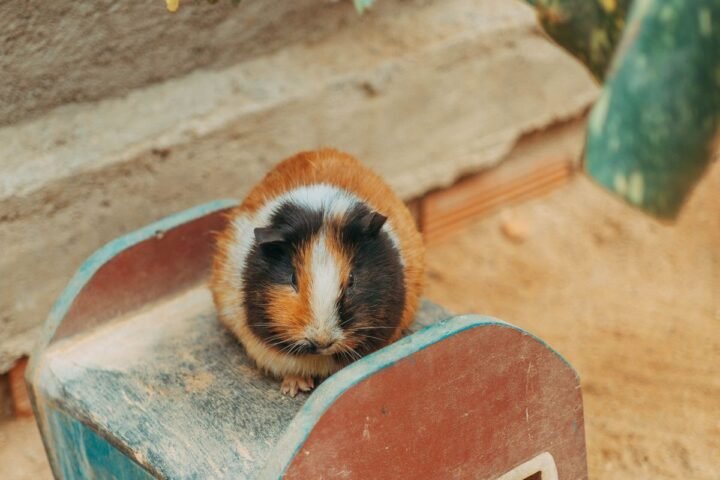
Guinea pigs do not need a 25 cm tunneling layer like hamsters. Paper, wood pulp, suitable dust-free shavings with hay, or washable vet bedding can all work when the surface stays dry. Our guinea pig bedding alternatives guide compares those systems in more detail.
Hay remains essential for guinea pigs regardless of floor substrate
Changing from wood to paper does not change the diet. Guinea pigs still need constant access to good-quality hay. Hay can also provide softness and enrichment on top of an absorbent floor layer.
For rabbits, paper is useful in both bedding and toilet areas
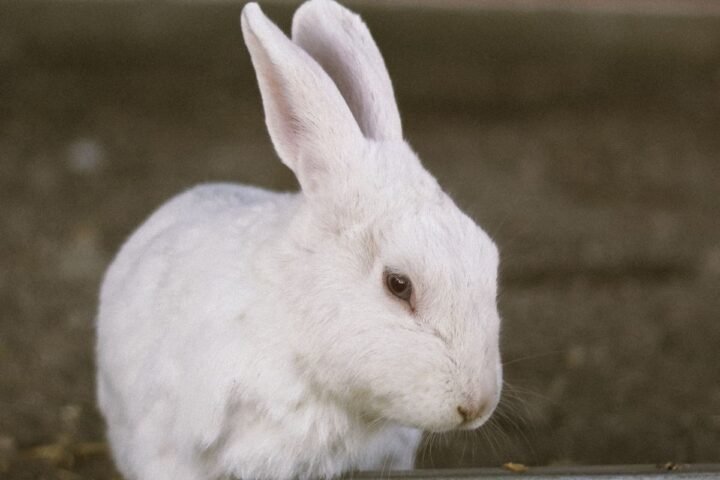
The RSPCA recommends newspaper, shredded paper and paper-based non-clumping, non-expanding litter for suitable rabbit areas. Paper is easy to layer under hay and is straightforward to replace during daily toilet cleaning.
Some dust-free wood shavings are also accepted for rabbits
The RSPCA allows dust-free non-cedar wood shavings beneath hay, while Blue Cross lists dust-free non-toxic wood shavings among possible bedding materials. That does not make fine sawdust or strongly scented shavings safe.
Paper is generally easier for owners with respiratory sensitivity too
Low-dust paper produces less visible airborne debris than many loose shavings, making enclosure cleaning more pleasant for some households. If any substrate produces a cloud when poured, it is worth choosing a lower-dust product regardless of material.
Wood can sometimes control odor well, but fragrance should not be the mechanism
Processed wood pulp can be highly absorbent, but avoid products using artificial deodorizer or strong natural aroma to mask urine. Odor control should come from absorbency and regular cleaning.
Cost per bag can be misleading
A cheap shaving may need more frequent replacement if it gets damp quickly, while compressed paper can expand significantly from a smaller package. Compare how long the material keeps the enclosure dry and how much depth the species needs rather than comparing bag price alone.
Disposal and laundry change the practical equation
Disposable paper and wood bedding generate waste but require no washing. Washable fleece or vet bedding produces less loose substrate but needs laundry, absorbent underlayers and water or energy to clean. The best system is the one you can maintain hygienically.
Neither paper nor wood fixes poor enclosure design
A tiny hamster cage cannot hold enough substrate, and a cramped guinea-pig enclosure becomes wet quickly regardless of bedding quality. Housing size, ventilation, water leaks and number of animals all affect bedding performance.
Use species-specific guidance before trying a new material
Our small animal bedding guide is the broad starting point. Then use the hamster, guinea-pig or rabbit-specific article before switching materials. A product safe for one small pet should not automatically be assumed safe for another.
Paper is the safer default when you are uncertain
For many homes, unscented low-dust paper is the easiest general-purpose option because it avoids the biggest problems associated with fine dusty or aromatic wood products. Selected dust-free wood materials can still be excellent when current guidance supports them for the species. The real choice is not paper versus wood as two categories—it is clean, appropriate substrate versus the wrong product for that animal.
0 comments