
Can Ferrets Eat Cat Food? When Kitten Food May Work and Why Ferret Food Is Usually Better
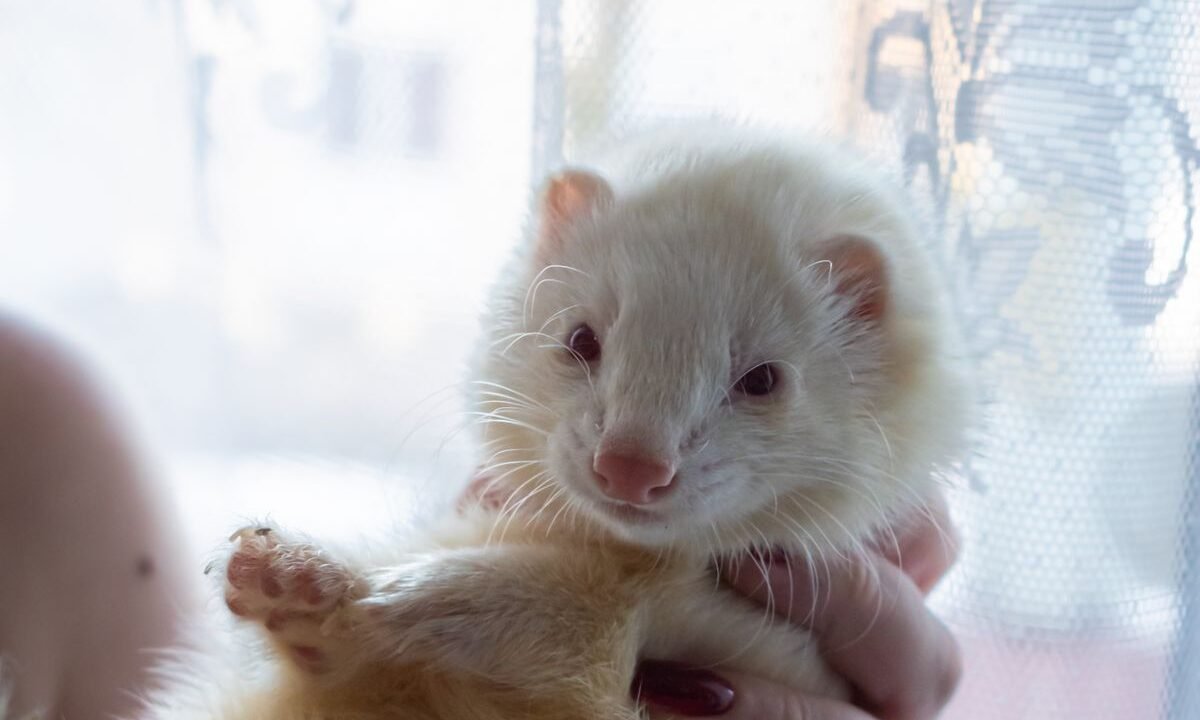
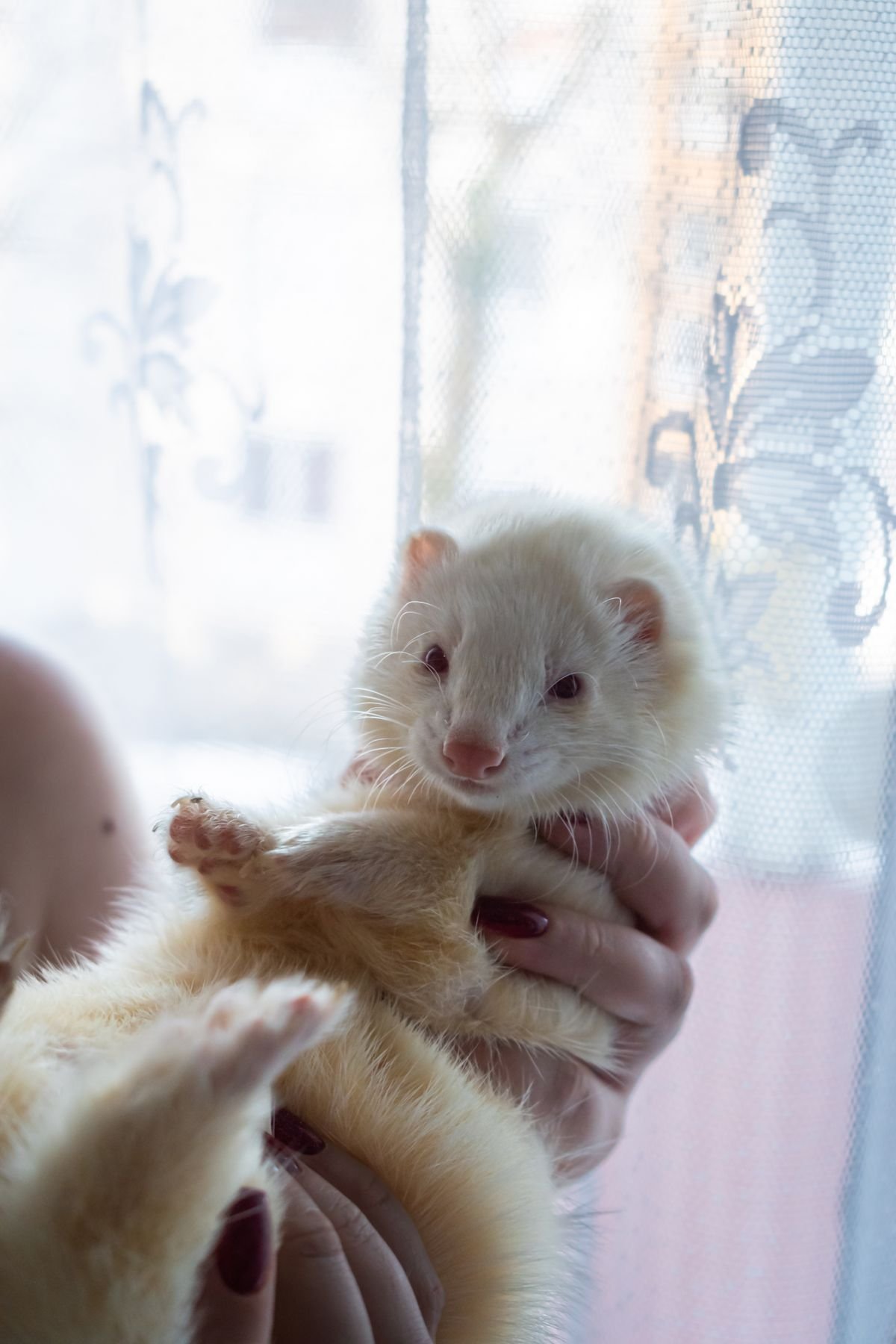
Can ferrets eat cat food? The accurate answer is more nuanced than a simple yes or no. Ferrets and cats are both obligate carnivores, and Merck Veterinary Manual notes that high-quality kitten food can be given to ferrets. However, current VCA ferret-feeding guidance says commercial diets formulated specifically for ferrets are more appropriate and highly recommended now that good ferret foods are widely available. So cat food can sometimes work, but it should not be treated as automatically equivalent.
Ferret nutrition and cat nutrition overlap, but they are not identical
Both species need animal-based protein and fat, but ferrets have an especially short digestive tract and low tolerance for fiber. VCA recommends a good ferret diet around 32–40% protein and 10–15% fat with very low fiber. Merck gives a similar high-protein, low-fiber pattern.
Why kitten food is mentioned more often than adult cat food
Kitten foods are generally more energy-dense and higher in protein and fat than many adult maintenance cat foods, which is why older ferret guidance often used kitten food as an alternative. Merck still notes that high-quality kitten food may be given, but that does not mean every kitten formula is suitable.
Current VCA guidance prefers ferret-specific diets
VCA explains that cat food was suggested more often in the past, but says diets made specifically for ferrets are more appropriate and highly recommended. That is a practical shift: when a complete ferret diet is readily available and accepted, there is less reason to rely on a food formulated for another species.
Protein percentage alone is not enough
A cat food can advertise high protein while relying heavily on plant protein or carrying more fiber and carbohydrate than a ferret should eat. Check the ingredient list, fiber level, fat level and overall formulation—not just one large number on the front of the bag.
Dry food is usually easier for free-choice feeding
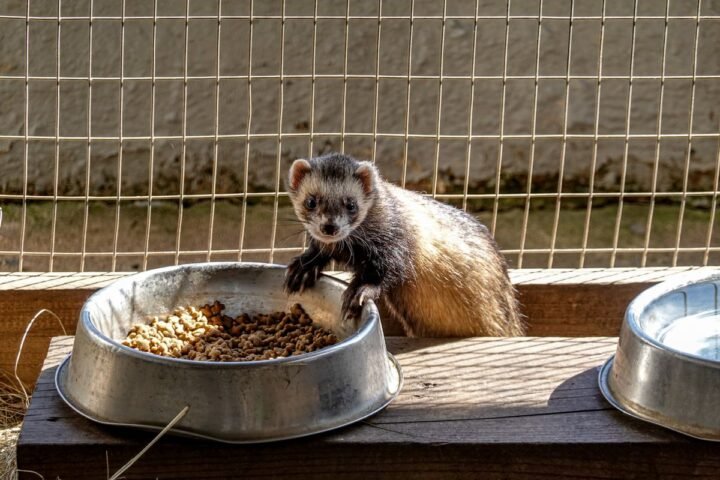
Ferrets eat frequently throughout the day. A dry complete diet can be left available more safely than perishable wet food and makes grazing practical. Merck’s pet-owner guidance prefers dry ferret food as the base diet and notes that prolonged feeding of soft wet food can also contribute to dental disease.
Adult cat food can be too low in fat or otherwise poorly matched
Some adult cat diets are designed for weight control, hairballs, urinary management or other feline needs. Those formulas may contain more fiber, less fat or a different mineral balance than a ferret needs. Do not assume the word “cat” guarantees compatibility.
Dog food is not an appropriate substitute
Dogs are nutritionally different from obligate carnivores and many dog foods contain much more carbohydrate and plant material. If ferret food is unavailable, ask a veterinarian about a suitable high-quality kitten food rather than substituting dog food.
Emergency substitution is different from a long-term diet
If you unexpectedly run out of ferret food and cannot replace it immediately, a veterinarian may advise using an appropriate kitten food temporarily. That is different from choosing a random cat food as the permanent diet without checking whether it meets ferret needs.
Do not switch diets suddenly if you can avoid it
The RSPCA recommends making ferret diet changes gradually because sudden changes may upset digestion. Ferrets can also become strongly attached to familiar foods, so abrupt switches may result in refusal.
Young ferrets benefit from learning more than one appropriate food
Ferrets can become selective about texture and flavor. Introducing more than one nutritionally appropriate food during youth can make future transitions easier, but both foods still need to fit ferret nutritional requirements.
Wet cat food is not automatically a better choice
Higher moisture does not automatically make a cat food suitable for ferrets. Some wet foods may not deliver enough calories or the right nutrient balance when used as the only diet. Merck notes that canned foods may be palatable but may not always allow ferrets to consume enough energy and protein.
Treat cat food as a formulation question, not a brand question
Two products from the same manufacturer can have very different nutrient profiles. If you are considering kitten food, bring the exact label or product information to a veterinarian experienced with ferrets rather than asking whether a brand is generally “good.”
Use the ferret’s body condition and stool as feedback
Weight loss, obesity, persistent loose stool, coat changes or reduced appetite deserve investigation. Those signs do not prove the food is the cause, but they are reasons to review diet and health rather than continuing unchanged.
The pillar diet still comes first
Our ferret food guide explains the protein, fat and low-fiber requirements in more detail. If cat food is being considered, compare it against that nutritional pattern rather than using the cat label as the deciding factor.
Ferret food is usually the simpler long-term answer
A carefully chosen kitten food can be workable in some situations, which is why Merck still mentions it. But when a complete, high-quality ferret diet is available and tolerated, current veterinary guidance makes that the more straightforward default.
0 comments