
How Much Hay Do Guinea Pigs Need? Why Unlimited Access Matters
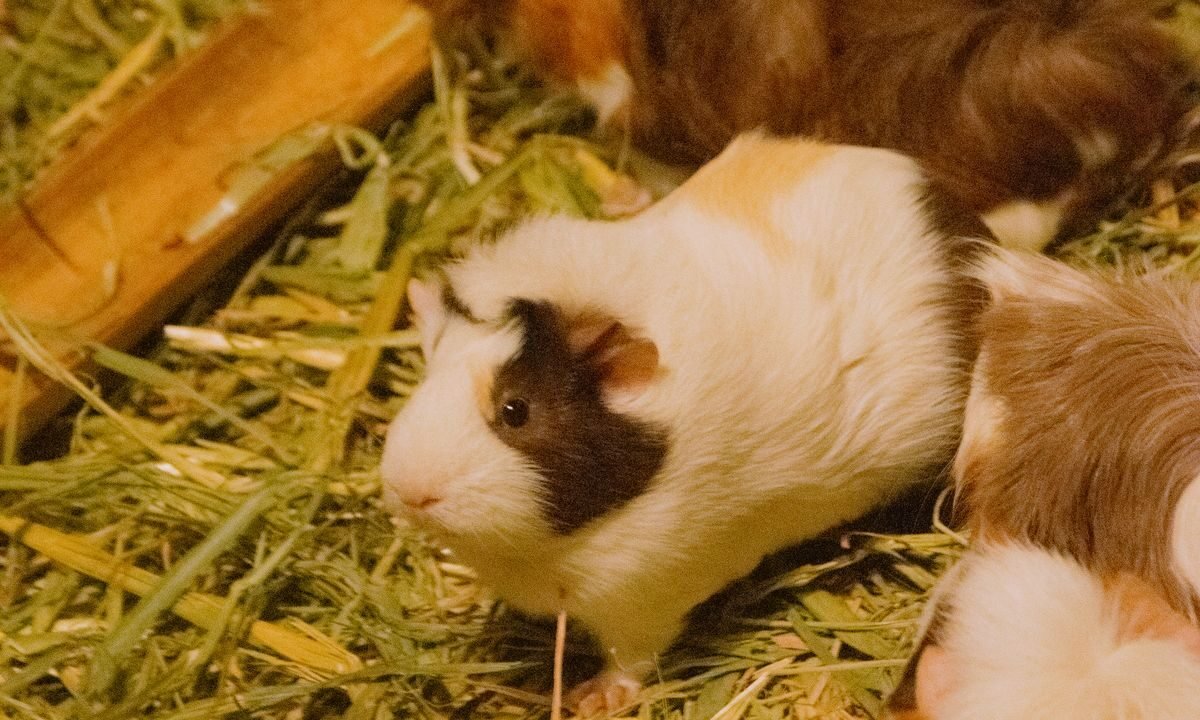
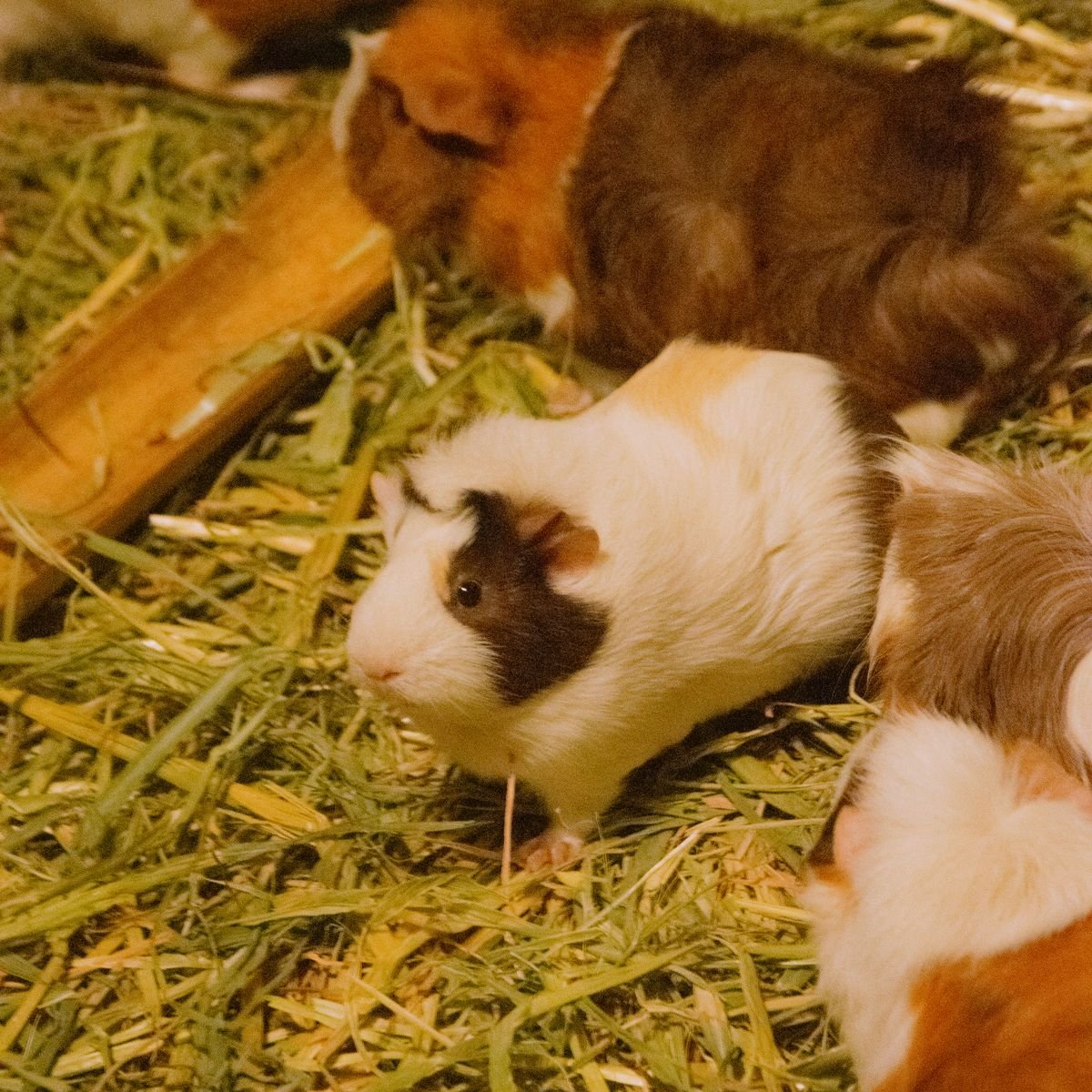
How much hay do guinea pigs need? The most useful answer is not a fixed handful or gram amount. Guinea pigs should have good-quality hay available at all times, day and night. The RSPCA says hay should make up the majority of the diet, and a recent RSPCA welfare update describes a healthy guinea-pig diet as roughly 85–90% high-quality hay alongside vegetables and pellets. In practice, that means you should refill hay before the rack or feeding area runs empty.
Hay is the foundation of the diet, not a side dish
Guinea pigs are natural grazers. They spend long periods eating grass, herbs and other fibrous plants. The RSPCA guinea pig diet guidance says hay or grass should be available continuously because it supports normal digestive function and helps wear down constantly growing teeth.
Do not ration hay by the handful
If a guinea pig finishes the hay you provided long before the next feeding time, provide more. Hay intake changes with body size, age, health, how much fresh grass is available and individual appetite. Continuous access is more useful than trying to make one measured pile last exactly 24 hours.
A pair of guinea pigs needs more than one animal
This sounds obvious, but owners sometimes use one small hay rack for several guinea pigs and assume the group is covered. In a pair or group, make sure there are generous hay areas and that a dominant animal cannot block access. Guinea pigs should be able to graze at the same time without crowding.
Hay keeps the digestive system moving
Guinea pigs depend on frequent fiber intake. Long periods without eating are not normal and can become medically serious. If a guinea pig suddenly stops eating hay or produces fewer droppings, treat that as a health warning rather than simply offering a sweeter food.
Chewing hay helps wear down continuously growing teeth
Guinea pig teeth grow throughout life. Hay requires prolonged chewing and helps maintain normal dental wear. A diet heavy in soft foods but low in hay can contribute to dental problems even if the animal is still consuming calories.
Choose clean, fragrant, dust-free hay
Good hay should smell fresh and dry rather than musty. Avoid visibly moldy, damp or excessively dusty hay. Store it somewhere dry with enough airflow to prevent moisture buildup. If hay smells stale or has been contaminated by urine, replace it.
Timothy hay is common, but it is not the only suitable grass hay
Timothy hay is widely used for adult guinea pigs, but other good-quality grass hays can also work. Availability varies by country. The important features are species suitability, fiber, cleanliness and continuous access—not whether the bag carries one fashionable hay name.
Alfalfa is different from ordinary adult grass hay
Alfalfa is a legume rather than a typical grass hay and is richer in calcium and protein. It may be useful in specific life stages such as growth, pregnancy or nursing when recommended, but it is not usually the default unlimited hay for a healthy adult. Ask your veterinarian if you are unsure which hay suits your guinea pig’s age or medical history.
Fresh grass can contribute, but make changes gradually
The RSPCA recommends fresh grass as often as possible and ideally daily. If guinea pigs are not accustomed to grass, introduce it gradually to avoid digestive upset. Grass should come from a safe area free from chemicals and animal contamination.
Lawnmower clippings are not a substitute for fresh grass
The RSPCA specifically warns not to feed lawnmower clippings. If you want to offer fresh grass, hand-pick safe grass or provide access to appropriate growing grass—not a warm compacted pile from the mower.
Hay can double as enrichment
Offer hay in more than one place, stuff it loosely into safe cardboard tubes, create a clean hay pile or scatter small portions so guinea pigs can forage. Our guinea pig cage setup guide explains how hay, hides and floor space can work together instead of turning the enclosure into a row of feeding bowls.
Pellets should not crowd hay out of the diet
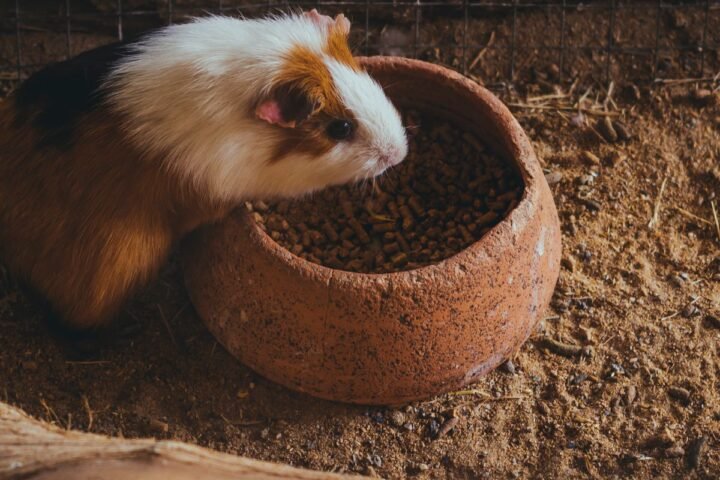
Pellets are concentrated and easy to eat quickly. The RSPCA recommends a fresh daily portion according to the manufacturer’s guidance, not an endlessly topped-up bowl. If a guinea pig fills up on pellets and ignores hay, review the diet with a guinea-pig-experienced veterinarian.
Vegetables add nutrients but do not replace fiber
Fresh vegetables and herbs can provide vitamin C and variety, but they should sit alongside the hay-based diet. Our guinea pig nutrition guide explains how hay, vegetables, vitamin C and pellets fit together without letting one component dominate.
Track hay intake when a guinea pig is unwell
A guinea pig eating vegetables but refusing hay may have dental pain, digestive trouble or another health problem. Reduced eating and reduced droppings deserve prompt veterinary attention. Do not assume a favorite snack proves the animal is eating normally.
Refill before the hay disappears
The practical rule is simple: hay should still be there whenever your guinea pigs decide to graze. Keep it clean, keep it abundant, and replace soiled portions frequently. Unlimited access is more reliable than trying to calculate one perfect daily handful.
0 comments