
How to Remove Mats From Cat Fur Safely Without Cutting the Skin
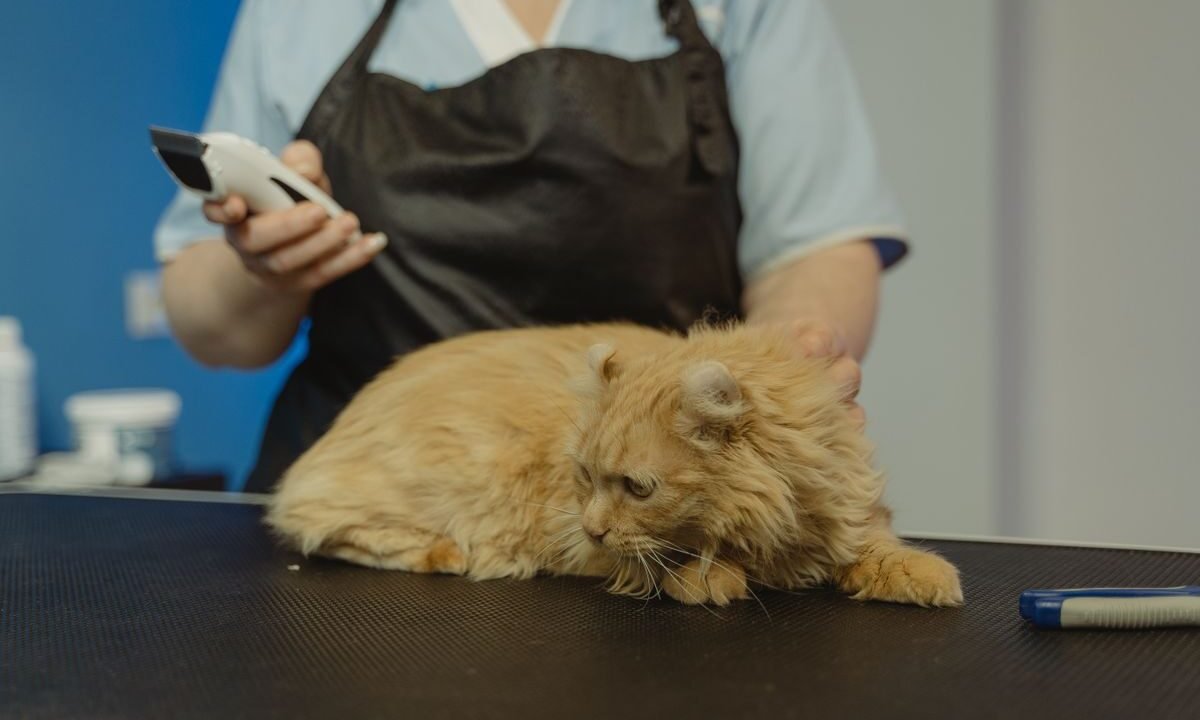
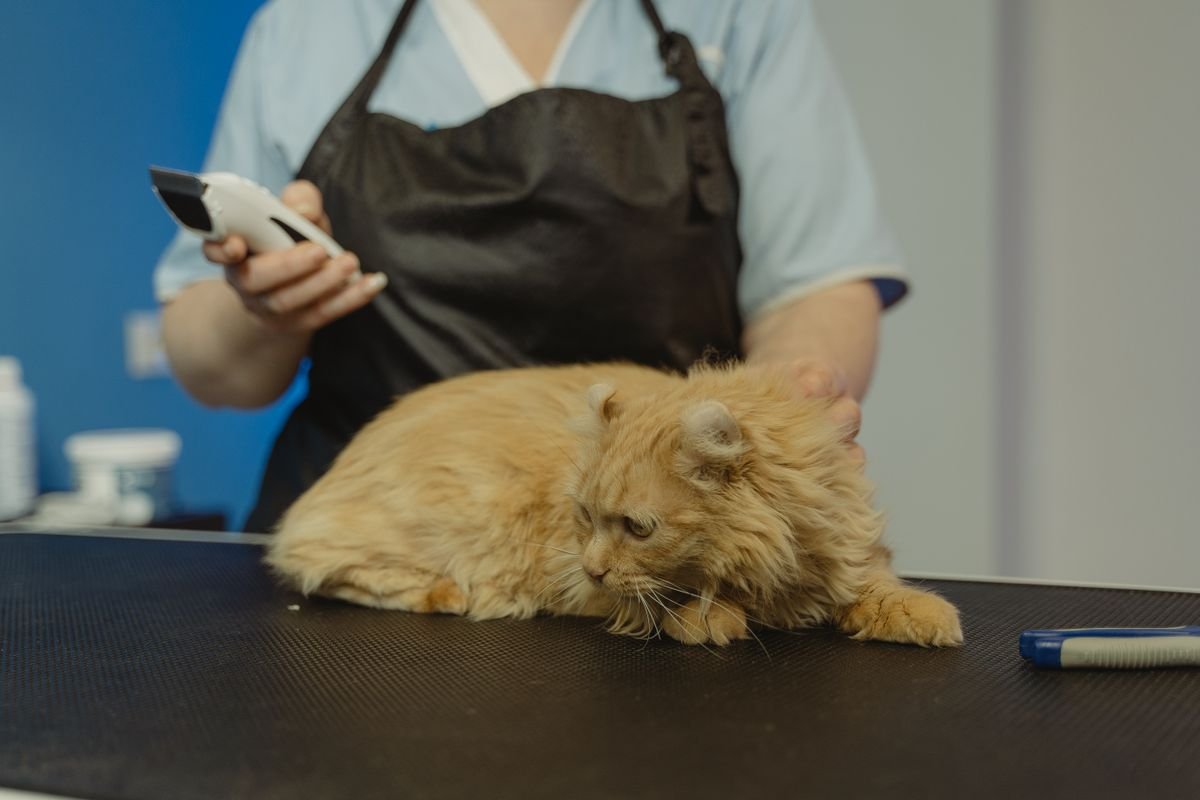
How do you remove mats from cat fur safely? The answer depends on whether you are dealing with a loose tangle or a dense mat pulled tight against the skin. Small, soft tangles may come apart with patient combing. Tight mats can hide sore skin and are easy to cut into accidentally, so they often need professional removal.
First decide whether it is a tangle or a true mat
A loose knot that moves away from the skin is different from felted fur that sits in a dense sheet. If you cannot slide your fingers between the mat and the skin, do not assume you can safely cut underneath it.
Do not use scissors on a tight mat
Cat skin is thin and can be pulled upward into the mat, making it difficult to see where the skin ends and fur begins. PetMD’s veterinary-reviewed guidance on matted fur specifically warns against cutting mats with scissors because of the risk of slicing the skin.
Work only on a small loose tangle at home
If the fur is still flexible and your cat is comfortable, hold the coat near the skin to reduce pulling and tease the ends apart with your fingers or a suitable wide-toothed comb. Stop if the cat flinches, growls, tries to bite or if the knot does not loosen easily.
Do not soak a mat before trying to remove it
Wet matted fur can tighten as it dries and become harder to work through. Deal with the mat before bathing unless your veterinarian or groomer gives you a different plan.
Tight mats are a professional job
Cats Protection advises speaking to your vet about the safest way to remove mats, particularly when they are significant. A veterinarian or experienced cat groomer can decide whether clipping is appropriate and can see skin problems hidden underneath.
Be especially careful around armpits, belly and groin
These areas have loose, delicate skin and are easy to injure. They are also common places for long fur to tangle. If a mat sits in one of these locations, the risk of trying to cut it yourself is not worth the convenience.
Mats can hide more than messy fur
Fleas, wounds, irritated skin and moisture can sit underneath a mat where you cannot see them. If the area smells bad, feels damp, looks swollen or your cat reacts painfully, arrange veterinary care rather than continuing to comb.
Ask why the mat formed in the first place
A long-haired cat may simply need more frequent brushing, but a new matting problem in an older or previously well-groomed cat can point to reduced flexibility, obesity, dental pain or another health change. Prevention begins with understanding why self-grooming became less effective.
Build a prevention routine after the mat is gone
Check high-friction areas every day, keep the coat dry and use a comb that reaches through the fur without scraping the skin. Our cat grooming techniques guide covers routine coat care, while our long-haired cat brushing guide explains how daily checks can stop small tangles becoming painful mats.
A mat should never become a battle
If removal hurts, the cat is telling you something useful. Stop before fear and pain turn future grooming into a bigger problem. A professionally clipped mat and a calm prevention plan are safer than winning a struggle with a comb.
0 comments