
Low-Dust Cat Litter: What to Look For and How to Reduce Litter Dust
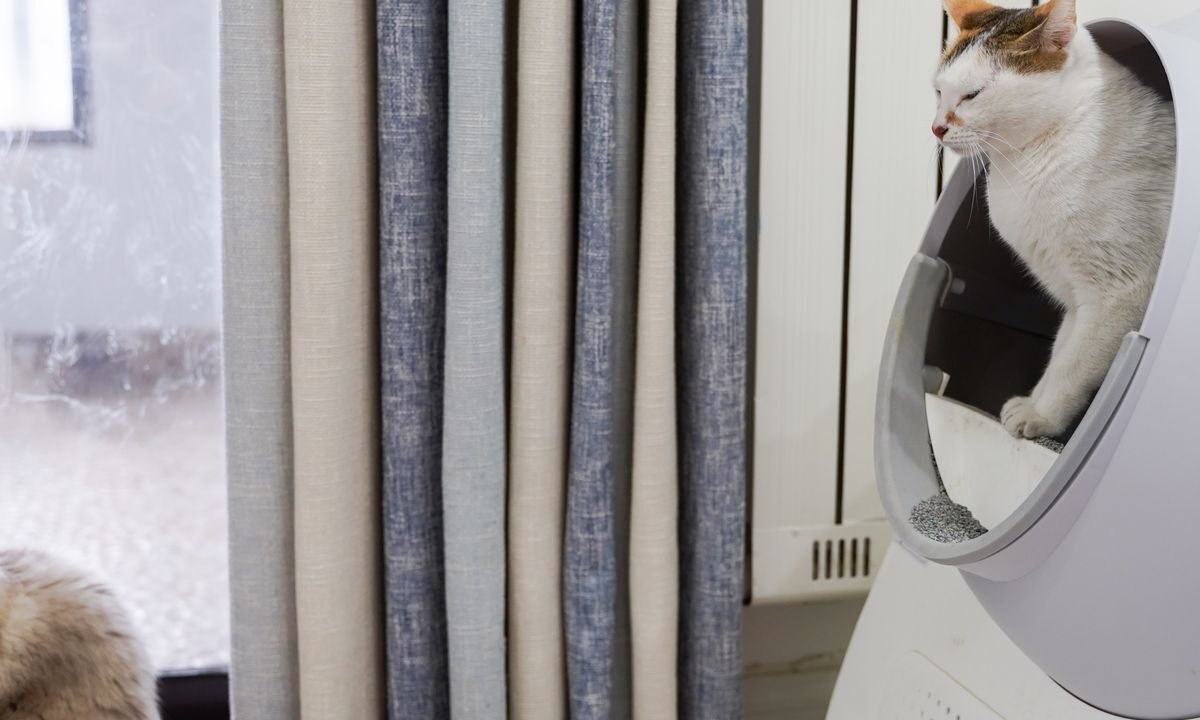
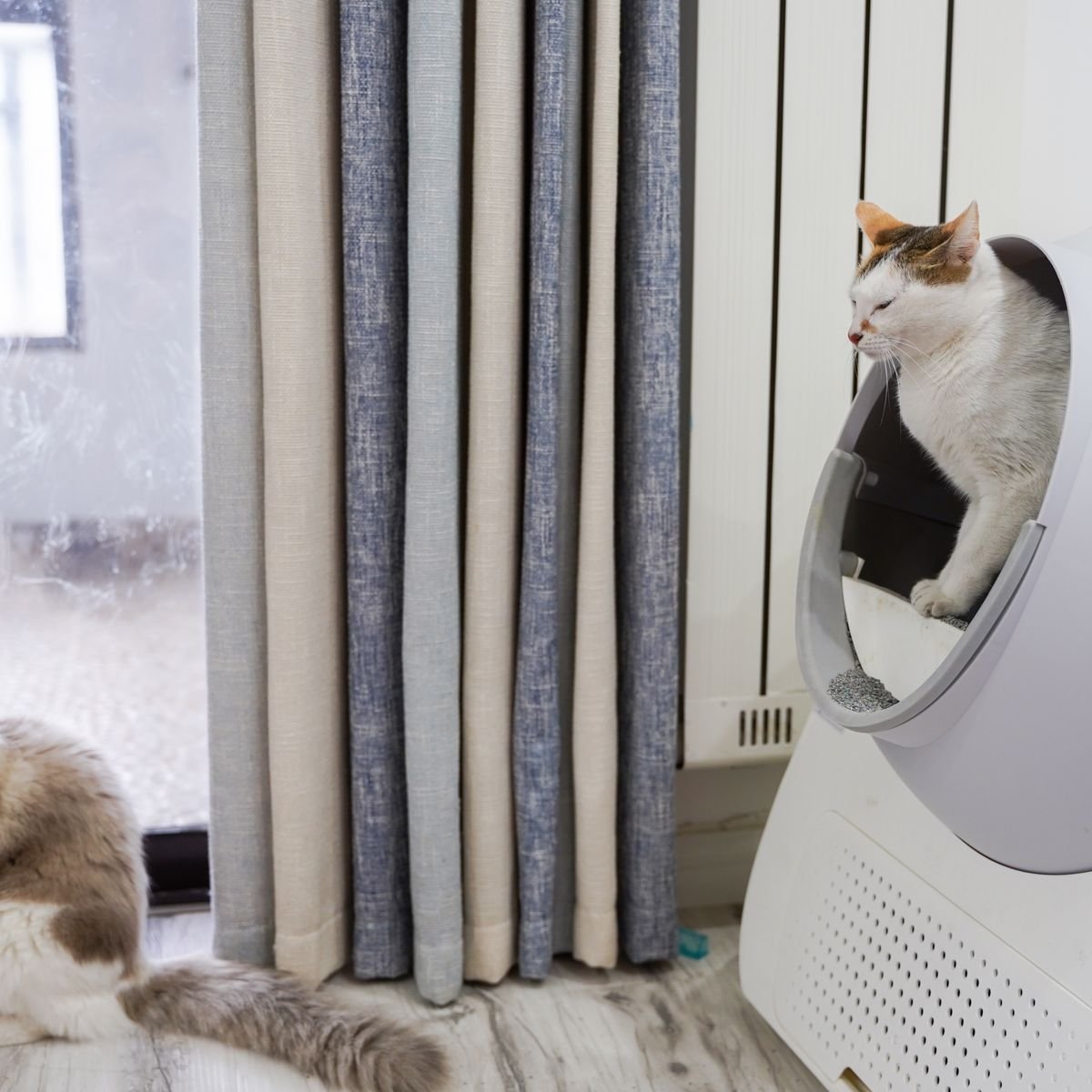
Low-dust cat litter can be useful when a litter tray leaves visible powder on the floor, furniture or in the air every time your cat digs. However, “low dust” on a package is not a complete measure of quality. Your cat still has to like the texture, use the box reliably and tolerate the product’s scent and ingredients.
Look at the litter after normal digging
One of the simplest tests is what happens when your cat actually uses the tray. If each digging session creates a visible cloud, the product may be dustier than you want. Compare brands under the same conditions rather than judging only from the unopened bag.
Low dust does not automatically mean your cat will prefer it
A pellet litter may create less fine powder than some mineral litters, but a cat accustomed to fine particles may dislike the new texture. Our cat litter alternatives guide compares clay, wood, paper, silica and plant-based options without assuming one material suits every cat.
Unscented is often a useful companion feature
Reducing dust while adding strong fragrance can solve one household annoyance and create another for the cat. The ASPCA notes that many cats prefer unscented litter and can develop aversion to a litter’s smell or feel. Their litter-box guidance is useful when evaluating both substrate and setup.
Pour litter slowly rather than from shoulder height
Even a lower-dust product can create airborne particles if the bag is dumped quickly from high above the tray. Pour close to the box and refill gently. This small change can reduce the amount of loose material stirred into the room.
Keep the litter area ventilated without making it drafty
A well-ventilated room is easier to keep fresh, but do not place the tray where a strong fan blows litter around or where the cat feels exposed. The box should still be quiet, accessible and easy to escape from.
Clean around the box before dust builds up
A litter mat and regular vacuuming can stop tracked particles from spreading through the home. Choose a mat your cat is comfortable stepping on. If they leap over it or avoid the box because the surface feels strange, the mat is not helping.
Do not assume every cough or sneeze is caused by litter
If your cat coughs, wheezes, has persistent nasal discharge or seems short of breath, do not keep switching litter and waiting for the problem to disappear. Respiratory signs can have many causes and deserve veterinary assessment. A low-dust litter may be one environmental change, not a diagnosis or treatment.
Change litter gradually if your cat is settled
A sudden full-box switch can lead to refusal even when the new litter seems objectively better. Mix increasing amounts of the new litter with the old over several days, or offer the new type in a second box so your cat can show a preference.
Fine texture and low dust can coexist
You do not necessarily have to choose between a cat-friendly fine texture and a cleaner room. Products vary substantially within the same material category. Cornell’s feline health guidance notes that many cats prefer fine-textured, unscented litter, so use your cat’s behavior as part of the comparison rather than chasing a single package claim.
Monitor the box after any change
Check whether your cat enters normally, digs, covers waste and continues using the tray consistently. If avoidance starts after the change, step back. Our cat litter-box troubleshooting guide covers box size, cleanliness, location, medical causes and substrate preference.
Choose for the cat first and the floor second
A litter that produces almost no dust but is repeatedly rejected is not a successful choice. Aim for a product your cat uses comfortably, with manageable dust and odor for the household. That balance matters more than any single label on the bag.
0 comments