
Bird Perches: Safe Materials, Sizes, Placement and Foot Health
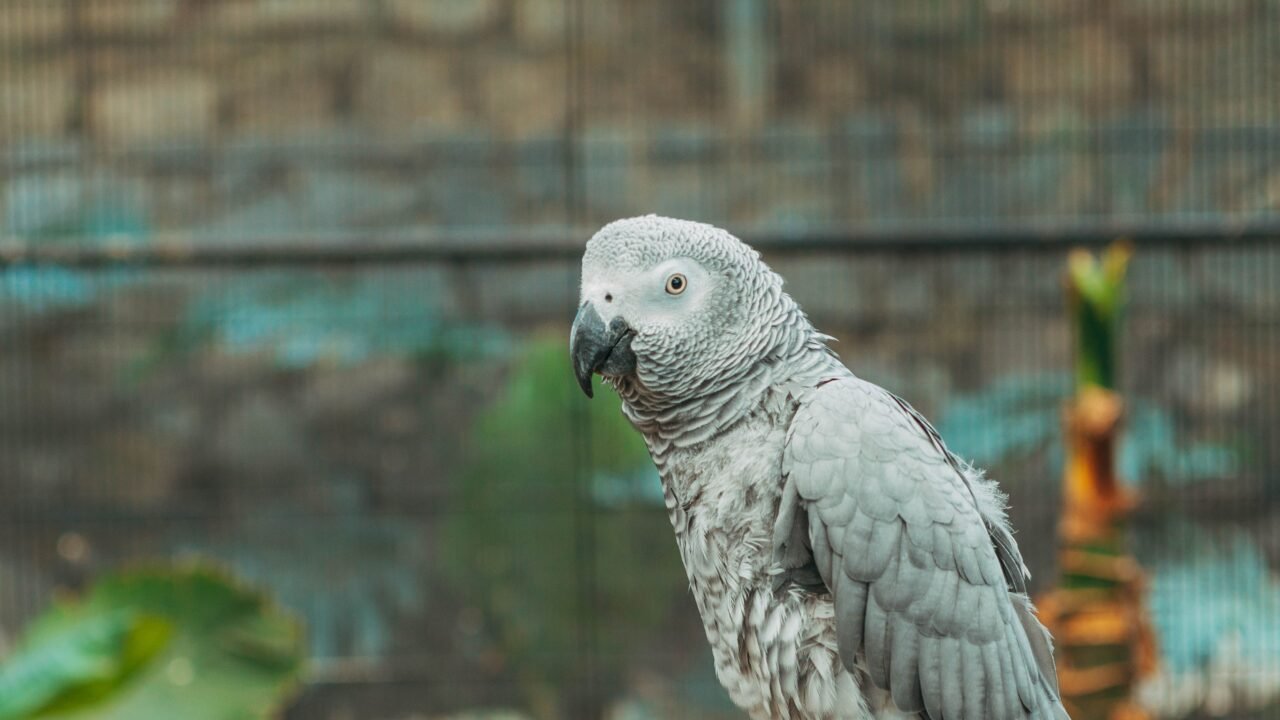
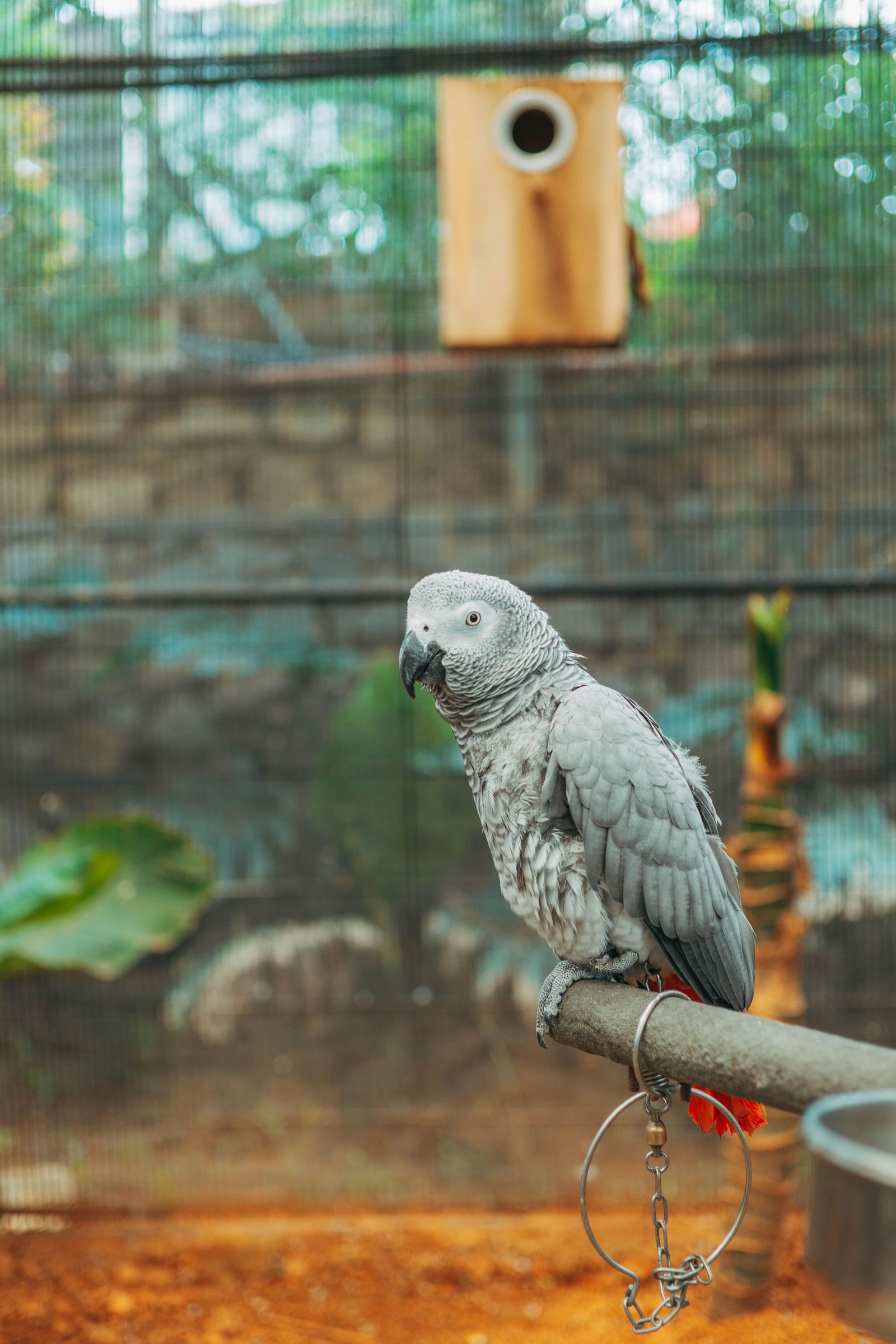
Bird perches are more than cage furniture. A companion bird may stand on them for much of the day and night, so diameter, texture, stability and placement can affect comfort, movement and foot health.
Use more than one type of bird perch
The Association of Avian Veterinarians’ basic-care guidance recommends variety rather than relying only on identical smooth dowels. Different surfaces change where pressure falls on the feet.
Choose the right diameter
AAV guidance notes that, in general, a bird’s foot should wrap around roughly two-thirds to three-quarters of a perch’s circumference. That is a useful starting point, but species and individual mobility still matter.
Natural wood can provide useful variation
Clean, pesticide-free branches can provide changing diameter and texture. Only use plant species known to be safe for birds, and clean or prepare branches appropriately before placing them in the enclosure.
Do not rely only on uniform dowels
A perfectly round perch of one diameter can place pressure on the same areas of the foot hour after hour. If your cage came with one dowel, treat it as one option rather than the entire perch system.
Avoid sandpaper perch covers
AAV guidance specifically warns against sandpaper covers because they can cause painful sores. Nail wear should not come at the cost of irritated foot surfaces.
Place bird perches where droppings will not contaminate food
Look vertically as well as horizontally. A perch directly above a food or water bowl creates an obvious contamination route. Reposition either the perch or the bowl.
Leave room for tails and wings
The bird should be able to sit without constantly rubbing its tail against cage bars and move between perches without squeezing through a crowded wall of toys.
Use widely spaced perches for birds that hop or fly
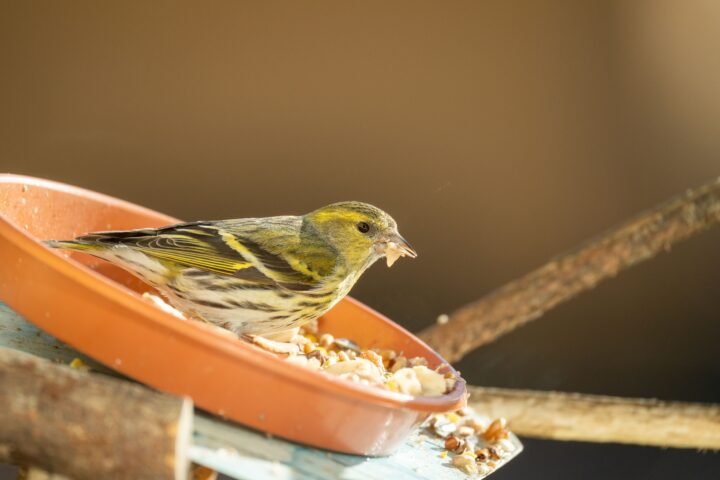
Finches and other active fliers benefit from clear movement paths. More perches are not automatically better if the result is a cage so crowded that normal flight or hopping is impossible.
Parrots may benefit from climbing options
Parrots often use branches, ropes and climbing structures differently from small finches. Stable variation can encourage natural movement, but inspect chewable materials frequently for damage.
Inspect rope bird perches for loose fibers
Rope can be comfortable and useful, but frayed fibers can catch toes or be swallowed. Replace damaged rope instead of waiting until it unravels completely.
Keep perches clean without leaving chemical residue
Remove droppings and food buildup and use bird-safe cleaning methods. Rinse and dry thoroughly where appropriate, especially on textured surfaces that can hold residue.
Watch the bird’s feet during routine care
Redness, shiny pressure areas, swelling, scabs, reluctance to grip or repeatedly favoring one foot deserves attention. Do not simply add a softer perch and ignore persistent foot changes; contact an avian veterinarian.
Older or disabled birds may need a different setup
A bird with arthritis, weakness or poor vision may benefit from lower, more stable or padded options and easier access to food and water. What worked for a young agile bird may not remain ideal for life.
Do not place the highest perch beside a household hazard
Birds often choose the highest available resting point. Keep favorite perches away from exposed cords, unsafe plants or areas where the bird can reach items outside the cage.
Cage placement still matters
Perches cannot compensate for a cage in a smoky kitchen or a location with poor sleep conditions. Our pet bird cage placement guide covers room location, while the bird-safe home guide explains common airborne and household hazards.
Rearrange gradually if your bird is nervous
Some birds accept a new branch immediately; others avoid it for days. Introduce major cage changes thoughtfully and make sure the bird still has a familiar safe place to rest.
Give feet variety, not just somewhere to stand
Safe bird perches provide varied diameters and textures, stable footing and sensible placement. Avoid abrasive covers, prevent contamination of food and water, inspect feet regularly and adapt the setup as your bird’s mobility changes.
0 comments