
Breathing Problems in Pet Birds: Tail Bobbing, Open-Mouth Breathing and Emergencies
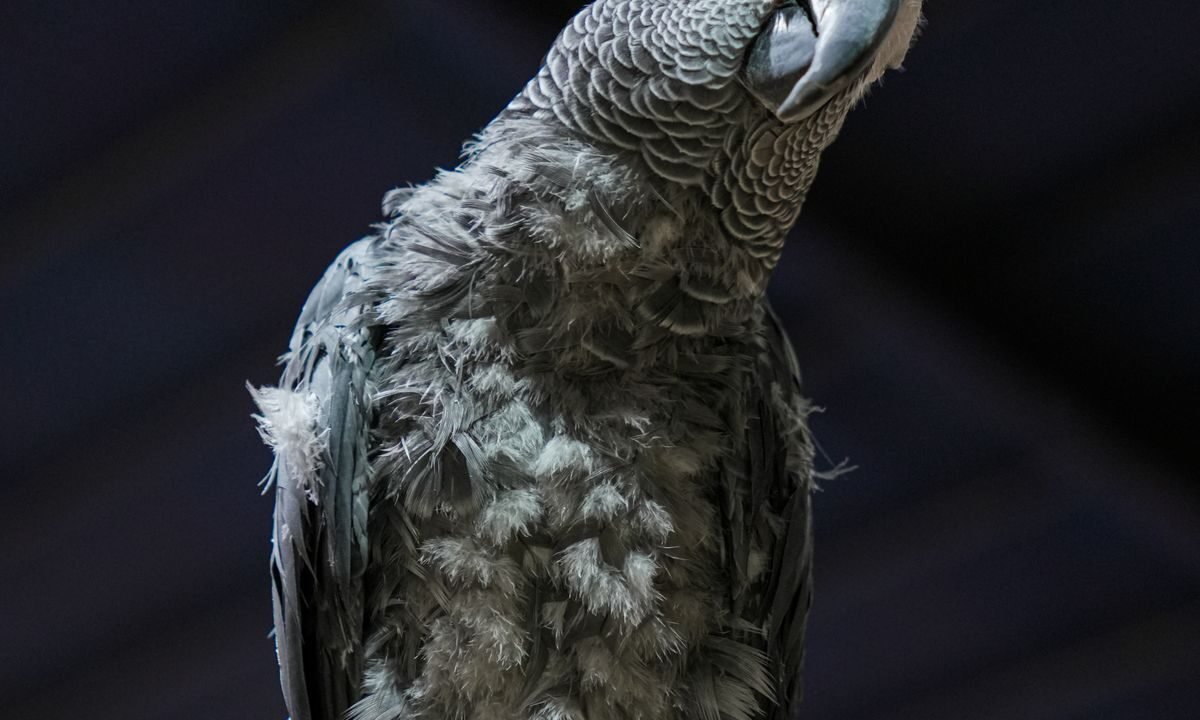
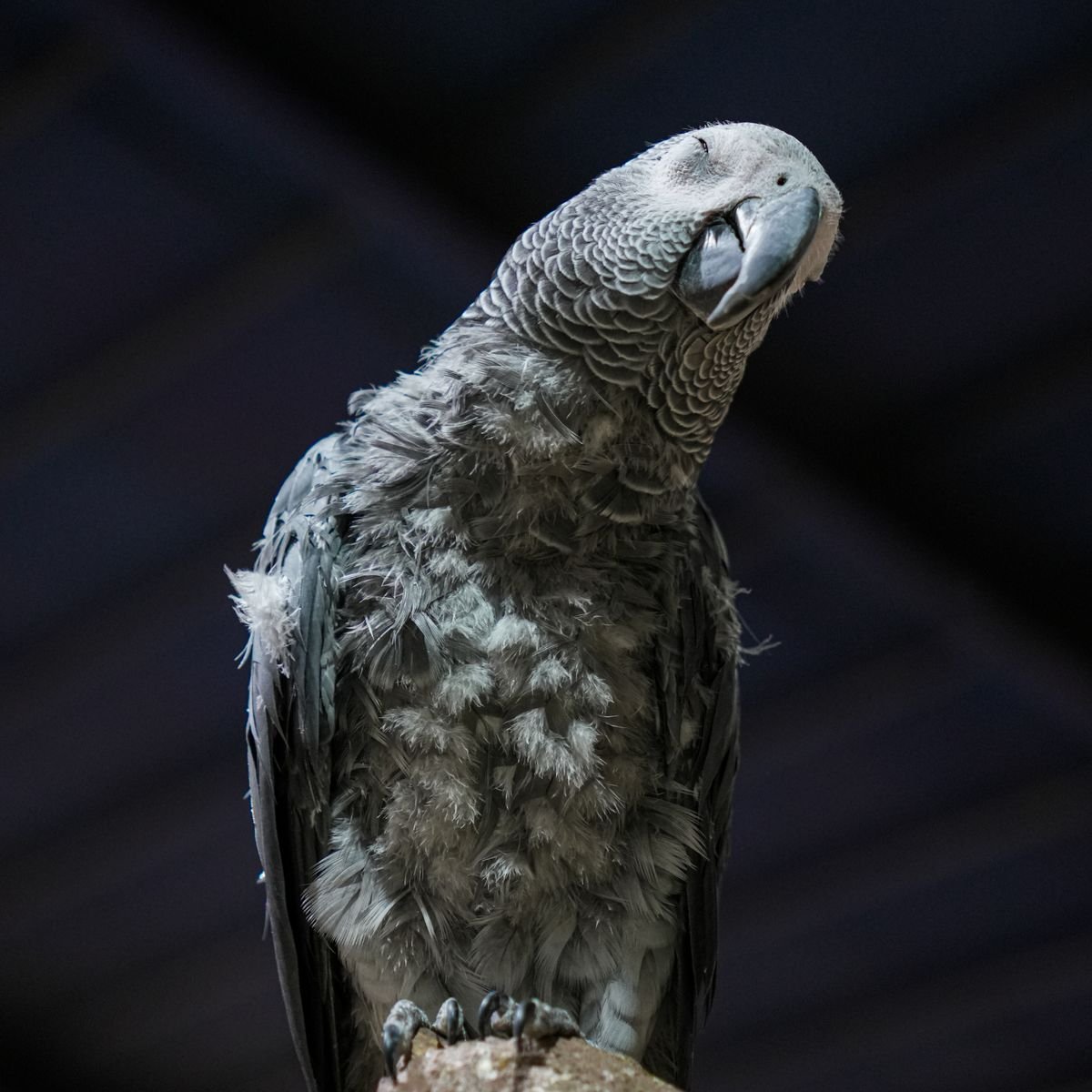
Birds often hide illness until they are significantly unwell, so breathing changes deserve quick attention. A bird that is breathing with the mouth open, visibly pumping the tail with each breath, or struggling to stay perched may be in respiratory distress.
Important respiratory warning signs
- Open-mouth breathing
- Tail bobbing with each breath
- Wheezing or clicking
- Nasal discharge
- Voice change
- Repeated sneezing or coughing
- Fluffed posture and reduced activity
- Difficulty perching
VCA lists labored breathing, open-mouth breathing, and tail bobbing as important signs of illness in birds. See VCA’s illness-sign guide.
Tail bobbing reflects increased breathing effort
A slight movement of the tail can occur normally, but pronounced up-and-down motion synchronized with breathing can indicate increased respiratory effort.
Respiratory disease has many causes
Infection, fungal disease, airway obstruction, inhaled irritants, heart disease, reproductive disease, toxins, and other problems can produce similar signs. VCA’s respiratory disease overview explains that disease may involve the upper airways, lungs, or air sacs.
Do not stress a bird that is struggling to breathe
Avoid unnecessary catching, restraint, bathing, feeding, or prolonged examination at home. Handling can increase oxygen demand.
How to transport safely
Call the avian clinic while leaving. Keep the carrier warm, quiet, dim, and well ventilated. Remove high perches if the bird is weak so a fall is less likely.
Household air quality matters
Smoke, aerosols, scented products, overheated nonstick cookware fumes, and other irritants can be dangerous to birds. Our bird-safe home guide covers common airborne hazards.
When it is an emergency
Open-mouth breathing, severe tail bobbing, collapse, blue or grey tissues, inability to perch, or rapidly worsening breathing should be treated as an emergency.
Do not confuse heat panting with unexplained respiratory distress
A bird may open the beak and breathe faster after intense activity or if overheated, but unexplained open-mouth breathing at rest is different. Move the bird away from heat or exertion and seek veterinary advice if breathing does not quickly return to normal.
Voice changes can be an early clue
Some upper-airway problems affect the voice before severe breathing effort develops. A bird that sounds unusually hoarse, weak, or different for more than a brief period should be assessed, especially if appetite or activity changes too.
Keep emergency transport simple
Use a small secure carrier rather than a large cage full of swinging toys and high perches. A weak bird can fall during travel, so low stable footing and minimal handling are safer.
Avoid household remedies
Do not use human decongestants, essential oils, menthol products, steam treatments, or leftover antibiotics without avian-veterinary guidance. Birds have sensitive respiratory systems, and home treatments can worsen exposure or delay diagnosis.
Watch breathing when the bird is truly resting
Assess breathing from a distance after the bird has been quiet for several minutes. Excitement, restraint, flight, or fear can temporarily increase breathing rate. Persistent effort at rest is more concerning.
Cage-bottom sitting is an important companion sign
A bird that is too weak or breathless to perch normally may sit on the cage floor. Combined with fluffed feathers, reduced appetite, or labored breathing, this should prompt urgent veterinary care.
Do not expose the bird to kitchen fumes while investigating symptoms
Move the bird away from smoke, overheated nonstick cookware, self-cleaning ovens, aerosols, candles, strong cleaning products, and other airborne irritants. Birds have highly efficient respiratory systems and can be very sensitive to inhaled toxins.
A video can help if the episode is intermittent
If it is safe to do so, record a short video from a distance showing the bird’s tail, chest, beak, and posture. Do not delay emergency care to capture footage, but intermittent signs may disappear by the time the bird reaches the clinic.
Know your emergency clinic before you need it
Not every emergency hospital treats birds. Save the contact details of an avian or exotic emergency service in advance so severe breathing trouble does not become a search problem during a crisis.
Keep perches low for a weak bird
If your bird is struggling to breathe or stay balanced, high perches increase the risk of a fall. During transport or while following emergency instructions, low stable footing can reduce injury risk without forcing the bird to grip tightly.
The bottom line
Bird respiratory distress can progress quickly. Visible effort, tail bobbing, and open-mouth breathing are not symptoms to watch overnight. Minimize stress and seek avian veterinary care promptly.
0 comments