
Bird Body Language: Stress, Fear, Relaxation and Warning Signs

Bird body language is easy to misread when one signal is taken out of context. A raised crest, pinned eyes, fluffed feathers or an open beak can mean different things depending on the species, the situation and what the rest of the body is doing.

Context matters more than one signal
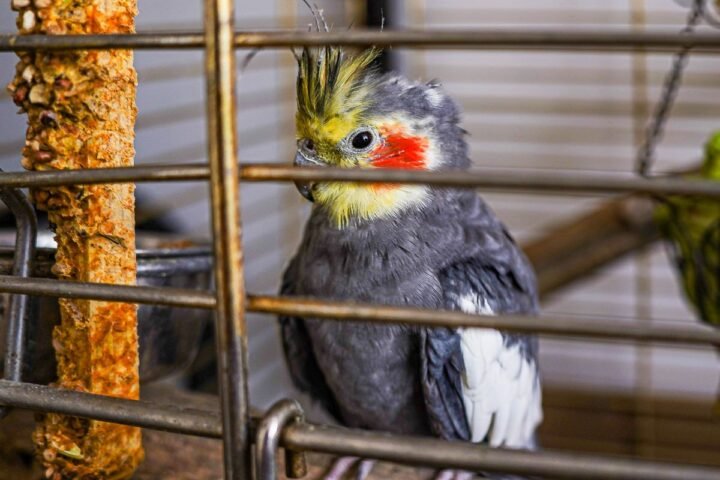
Fluffed feathers can mean relaxed resting, temperature regulation or illness depending on duration and context. A raised crest can signal curiosity, excitement or alarm. Interpret clusters of behavior rather than assigning one fixed meaning to a single feather position.
Respect distance-increasing signals
Leaning away, moving to the far side of a perch, freezing, opening the beak, lunging or attempting to flee can indicate that interaction is too intense. Backing off early prevents the bird from learning that biting is the only effective way to create space.
Relaxed behavior varies by species and individual
Comfort may look like soft feathers, normal preening, quiet beak grinding in some parrots, balanced posture, one-foot resting or voluntary approach. Learn the baseline for your own bird before comparing with internet charts.
Training should follow consent and attention
Use short reward-based sessions and stop while the bird remains engaged. Target training and stationing can create predictable cooperation for weighing, carrier entry and routine care without grabbing.
Hormonal or territorial behavior needs management
Nest-like spaces, guarding a cage area, regurgitation or intense pair-bond behavior can change how a bird responds to touch. Avoid reinforcing reproductive triggers and seek species-specific guidance if behavior becomes difficult.
Illness can change body language
Persistent fluffing, closed eyes while normally active, weakness, low posture, reduced vocalization, tail bobbing with breathing or inability to perch are not training problems. They require health assessment.
When to contact an avian veterinarian
Contact an avian veterinarian promptly when a behavior change is sudden, sustained or paired with reduced appetite, weight loss, abnormal droppings, breathing changes, weakness or balance problems.
Bottom line
Body language is most useful as a conversation, not a dictionary. Watch patterns, respect avoidance, reward voluntary participation and treat unexplained behavior changes as possible health information.
Avian-care reference: Association of Avian Veterinarians — Enrichment: Body Language.
Related PetsFilled guides: bird-safe home setup and first-time bird owner guide.


0 comments