
Rabbit Enrichment: Digging, Chewing, Foraging and Toy Safety

Rabbit enrichment does not require a room full of expensive toys. The best activities give a rabbit safe ways to dig, chew, forage, hide and investigate. Simple cardboard, paper, hay and rearranged spaces can be more useful than a toy that never changes.
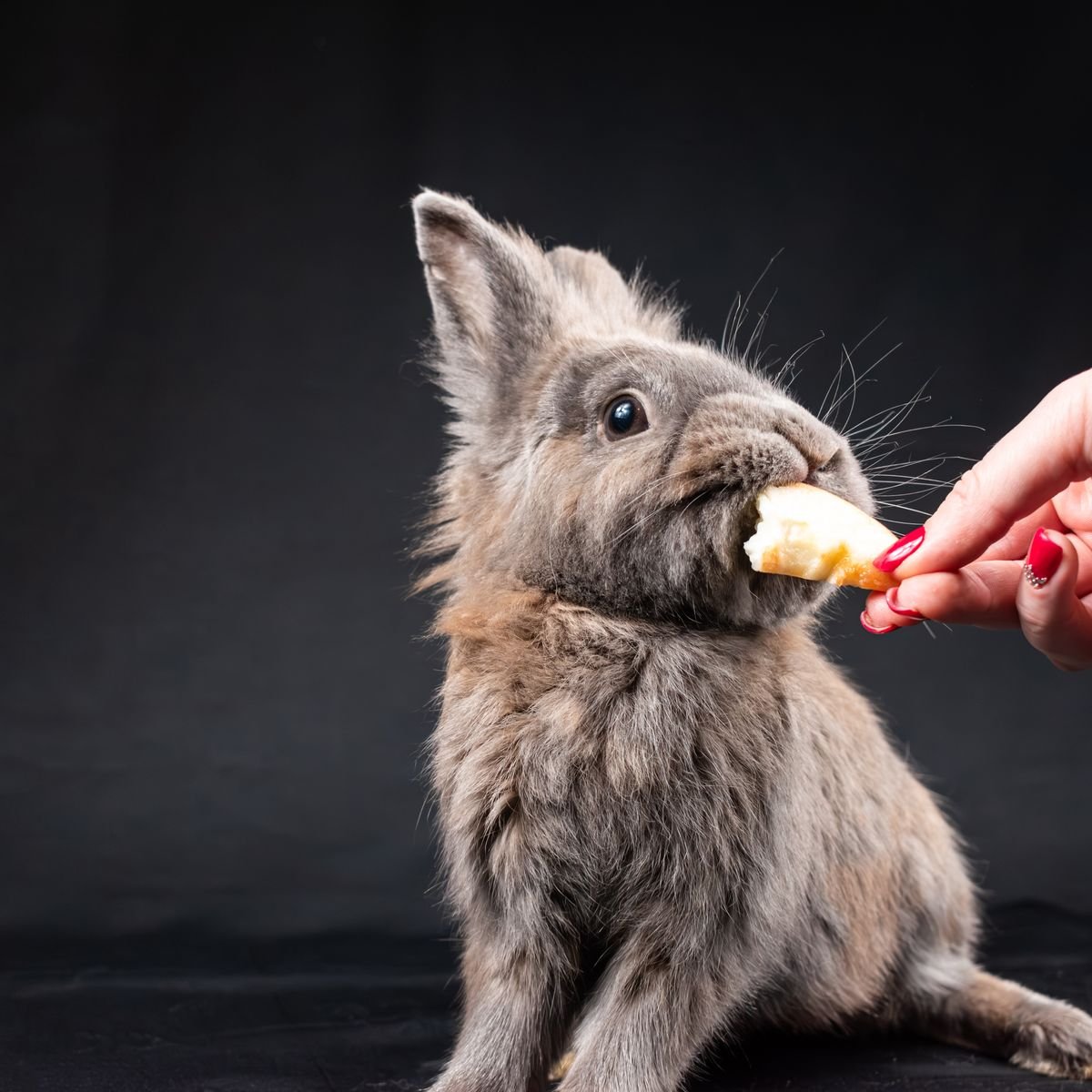
Start with cardboard and paper projects
Plain cardboard boxes with doorways, paper bags without handles and cardboard tubes stuffed with hay can provide chewing, shredding and hiding opportunities. Remove tape, staples, glossy coatings and anything the rabbit tries to swallow in unsafe amounts.
Turn food into foraging
Scatter a measured pellet portion through hay, hide leafy greens in safe paper parcels or use simple food puzzles. Foraging stretches feeding time and gives the rabbit choices without adding unnecessary calories.
Give a legal place to dig
A sturdy box filled with shredded paper, hay or another rabbit-safe material can redirect digging away from carpet. Observe the rabbit’s habits and change materials if they are being eaten rather than manipulated.
Rotate instead of overcrowding
A few useful items changed periodically can be more engaging than a cluttered enclosure. Keep clear pathways for running, resting and access to litter, water and hay.
Chew safety matters
Avoid treated or painted wood, small plastic pieces that can be swallowed, frayed fabric, electrical cords and unknown plants. If you cannot verify that a material is safe, do not offer it as a chew.
Social enrichment matters too
A compatible bonded rabbit can provide important social interaction, but companionship does not replace space or foraging. Human interaction should also be gentle and allow the rabbit to choose contact.
When to contact a rabbit-experienced veterinarian
A rabbit that suddenly stops exploring, chewing hay or interacting may be ill or painful rather than bored. Reduced appetite, fewer droppings or a marked activity change deserves prompt veterinary assessment.
Bottom line
Good enrichment lets rabbits perform rabbit behaviors safely. Build around foraging, chewing, digging, hiding, movement and choice rather than buying toys for appearance alone.
Rabbit-care reference: Rabbit.org — Rabbit Care Primer.
Related PetsFilled guides: rabbit diet and bonding two rabbits safely.
Different rabbits value different activities
One rabbit may spend an hour destroying cardboard while another prefers tunnels, digging or food-search games. Watch what the individual returns to voluntarily and build enrichment around those preferences rather than assuming every rabbit needs the same toy collection.
Use part of the normal diet for food puzzles
Pellets and greens used in enrichment should usually come from the day’s planned ration. Constantly adding treats on top of normal meals can contribute to unwanted weight gain and may reduce hay intake.
Destructive behavior can be normal—but sudden change can signal trouble
Chewing and digging are expected rabbit behaviors. A sudden increase in frantic chewing, repetitive bar biting or withdrawal from normal play deserves a closer look at space, social stress and health. Pain can alter behavior just as boredom can.
Create a simple rotation schedule
Keep a few safe items available and rotate others every several days or weeks. Reintroducing a familiar tunnel or cardboard project after a break can make it interesting again without constantly buying new products.
Rotate simple things instead of adding clutter
Try offering one or two activities at a time and change them every few days. A cardboard box with two exits, hay stuffed into a paper bag, or a safe digging box can keep the environment interesting without making the enclosure crowded. Remove anything that is being chewed into unsafe pieces.
0 comments