
How to Handle a Rabbit Safely: Supporting the Spine and Building Trust
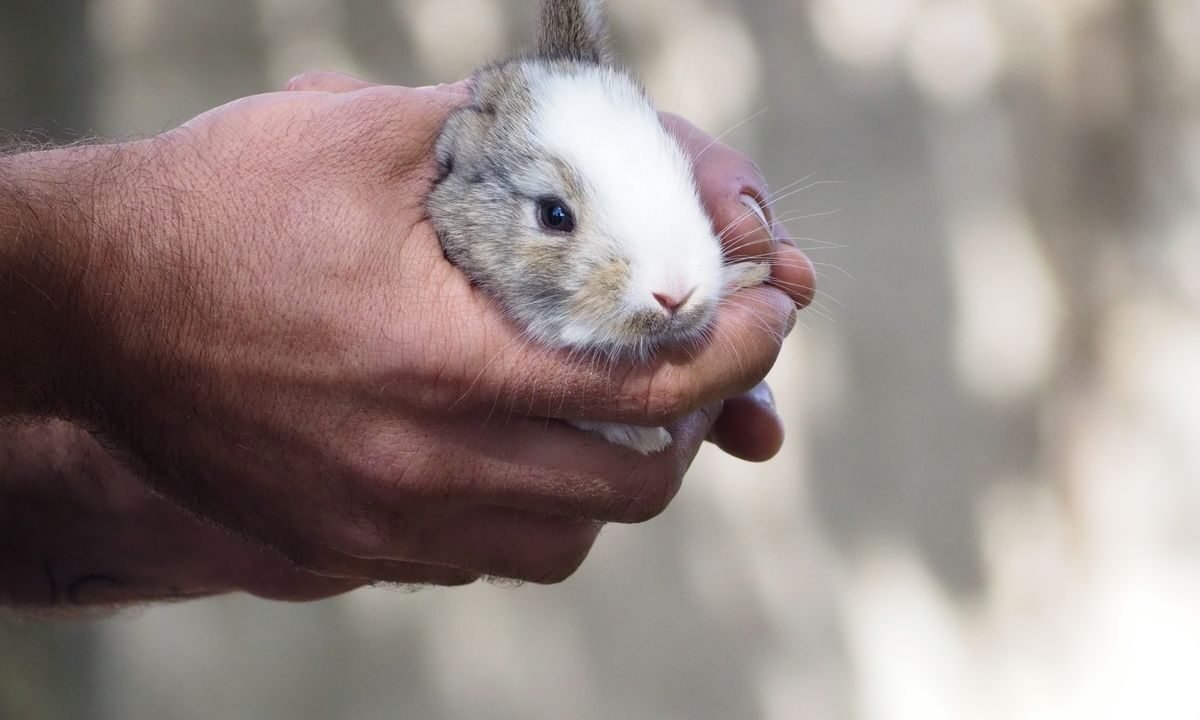
Rabbits are built for powerful movement, not for being carried around routinely. Safe handling means supporting the chest and hindquarters, keeping the spine controlled and putting the rabbit down before panic turns into twisting or kicking.
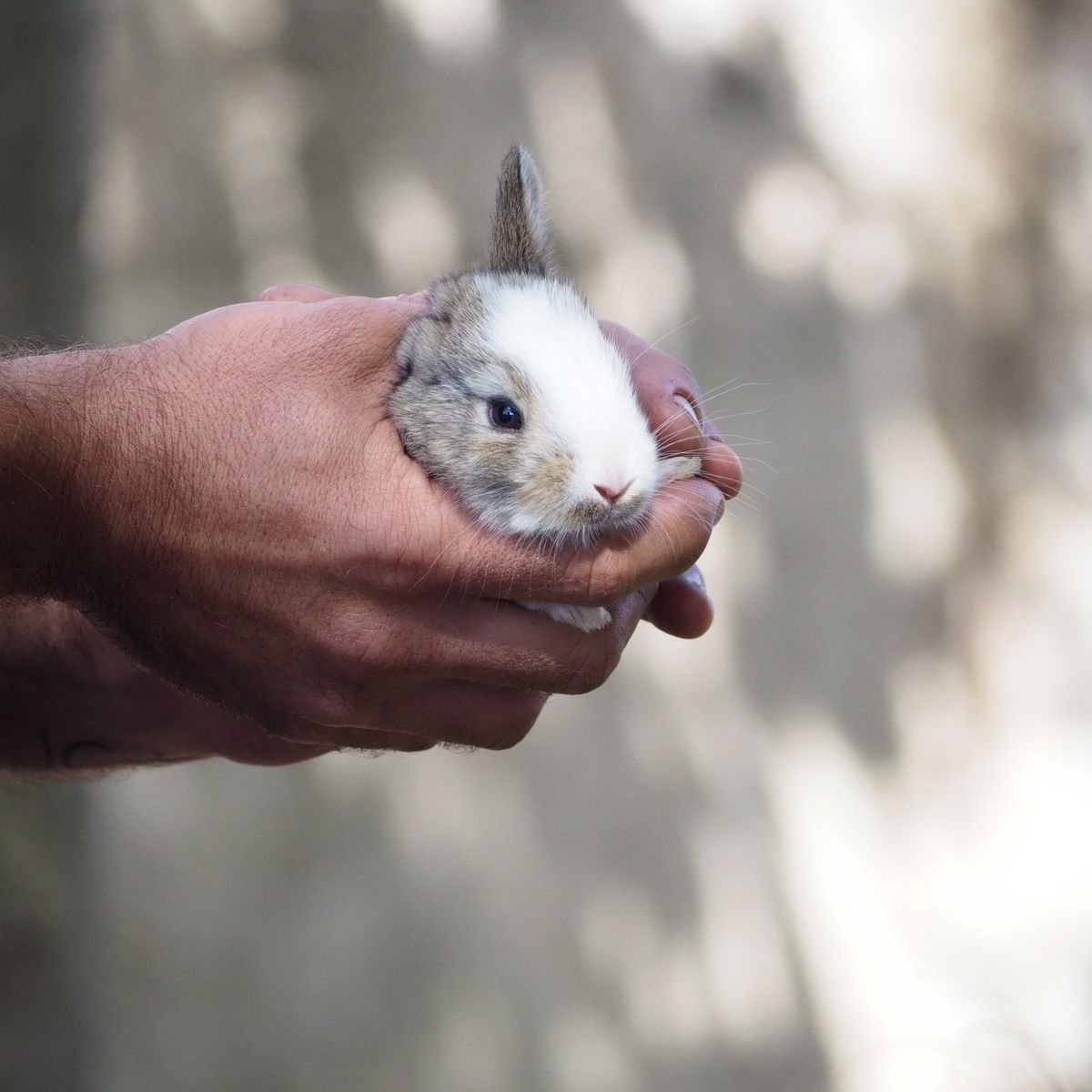
Never lift by the ears or scruff
A rabbit’s ears are delicate and are not handles. Lifting by the scruff also fails to support the heavy hindquarters. Use one hand to support the chest and the other to secure the hind end against your body.
Protect the spine from uncontrolled kicking
A frightened rabbit can twist or kick powerfully. Keep the hindquarters supported and work close to the floor whenever possible so a sudden struggle cannot turn into a long fall.
Use floor-level interaction for daily bonding
Sit on the floor, allow the rabbit to approach and reward voluntary contact. Hand-feeding appropriate greens or pellets and gentle forehead strokes can build positive associations without repeated lifting.
Teach the carrier as a safe place
A top-opening or front-opening carrier can reduce wrestling before vet visits. Leave it accessible with familiar bedding or hay so it is not associated only with stressful transport.
Children need adult supervision
Rabbits are physically delicate and often dislike being carried. An adult should remain responsible for handling and care, and children should interact at floor level rather than carrying the rabbit around.
Pain changes handling tolerance
A rabbit that suddenly resists touch or lifting may be painful. Arthritis, sore hocks, abdominal discomfort and injury can all change behavior. Do not label a sudden defensive reaction as a personality problem without considering health.
When to contact a rabbit-experienced veterinarian
Seek veterinary help after a fall, sudden hind-limb weakness, severe pain, inability to move normally or a handling accident. If routine care such as nail trimming cannot be done without violent struggling, ask for a safer handling demonstration.
Bottom line
The safest rabbit is not the one held most often; it is the one handled with full body support only when needed and allowed to build trust through predictable, voluntary interaction.
Rabbit-care reference: Rabbit.org — How To Care For A Pet Rabbit: A Primer.
Related PetsFilled guides: rabbit diet and rabbit bonding guide.
Use the carrier to reduce unnecessary lifting
Whenever possible, train the rabbit to enter a carrier for treats or hay. A top-opening carrier can make transfer easier at the clinic. Moving a rabbit in a secure container is often safer than carrying the animal through hallways, parking areas or unfamiliar rooms.
A towel can add traction without becoming a restraint trap
A non-slip towel under the feet can help a rabbit feel secure during brief handling. Avoid wrapping so tightly that breathing or movement is restricted. The goal is support and traction, not immobilization through force.
Do not use tonic immobility as proof the rabbit is relaxed
Placing a rabbit on the back can trigger a freeze response that may appear calm while the animal is actually highly stressed. Use the least restrictive handling needed and keep procedures brief.
Practice health checks when the rabbit is calm
Teach gentle touches to the ears, feet and body during normal floor-level interaction. Familiar handling makes it easier to notice lumps, wounds or sore feet and can reduce stress when routine grooming or veterinary examination is necessary.
Support the chest and hindquarters together
When lifting is necessary, one hand should support the chest while the other securely supports the hindquarters. The rabbit’s body should stay close to yours rather than hanging with the back unsupported.
Never lift by ears or scruff
Those methods are painful and do not protect the spine. Rabbits have powerful hind legs, and a sudden kick while the body is poorly supported can cause serious injury.
Keep the lift low whenever possible
Handling at floor level or just above your lap reduces the distance of a fall if the rabbit wriggles free. Carrying a rabbit high across a room adds unnecessary risk.
Use a carrier for room-to-room transport when the rabbit is very nervous
A rabbit that willingly enters a familiar carrier can often be moved more safely that way than by being carried in the arms. This is especially useful around doors, stairs and unfamiliar people.
Children need close adult supervision
Young children should generally interact with rabbits on the floor rather than carrying them. A frightened rabbit can kick suddenly, and a child may drop the animal while trying to hold on.
Stop if the rabbit twists violently
Do not tighten your grip and continue. Lower the rabbit onto a secure surface, allow the animal to settle and reconsider whether the task can be done another way.
Handling should have a purpose
Health checks, grooming, nail trims and transport may require handling. Constant lifting for affection is not necessary for a rabbit to bond with people. Many rabbits prefer contact with all four feet on the ground.
Use short handling sessions
A few calm seconds of supported handling can be more useful than holding the rabbit until they panic. End while the rabbit is still coping and build tolerance gradually.
Reward voluntary approach
Offer hay, pellets from the normal ration or gentle forehead strokes when the rabbit approaches on their own. Trust grows faster when contact is predictable and optional.
Know when handling should stop immediately
Open-mouth breathing, frantic twisting, collapse or a fall are not routine resistance. Put the rabbit in a secure low space and seek veterinary help if injury or severe distress is suspected.
Support mobility-limited rabbits differently
Arthritis, weakness or sore hocks can make standard lifting painful. A rabbit-experienced veterinarian can suggest safer support and carrier setups for that individual’s mobility.
Use calm transfers between surfaces
If the rabbit must move from floor to exam table or carrier, prepare the destination first so the lift lasts only a few seconds. Avoid holding the rabbit while searching for a towel, door or latch.
Keep the spine aligned during every lift
The chest and hindquarters should move together. Letting the back end hang while the front is held increases twisting and makes struggling more dangerous.
Do not hand a rabbit between several people
Each transfer creates another chance for the rabbit to kick or fall. One confident handler is usually safer than passing the animal around.
Watch for breathing changes during restraint
Rapid or open-mouth breathing signals severe distress. Put the rabbit down safely and seek veterinary advice if abnormal breathing continues.
Floor-level grooming can reduce lifting
Brushing, body checks and some nail-preparation exercises can often be done while the rabbit remains on a stable floor surface, reducing unnecessary handling.
Prepare every item before lifting
Have the carrier open, towel ready and destination clear before you pick the rabbit up. Shorter handling time lowers stress and reduces the chance of twisting during an awkward pause.
Prepare the route before you move the rabbit so the transfer stays brief and controlled.
Resistance is useful information
If a rabbit struggles every time you lift it, the answer is usually not tighter restraint. Work more at floor level, use a carrier for transport when practical, and reserve lifting for situations where it is actually needed. Trust often improves faster when the rabbit is allowed to approach you rather than being repeatedly picked up.


0 comments