
Parrot Facts: Intelligence, Feet, Beaks, Vocal Learning and Lifespan

Parrots are not one uniform type of pet bird. The order Psittaciformes includes hundreds of species ranging from tiny parrotlets to large macaws, with major differences in ecology, diet, social structure and lifespan.
1. Parrots have zygodactyl feet
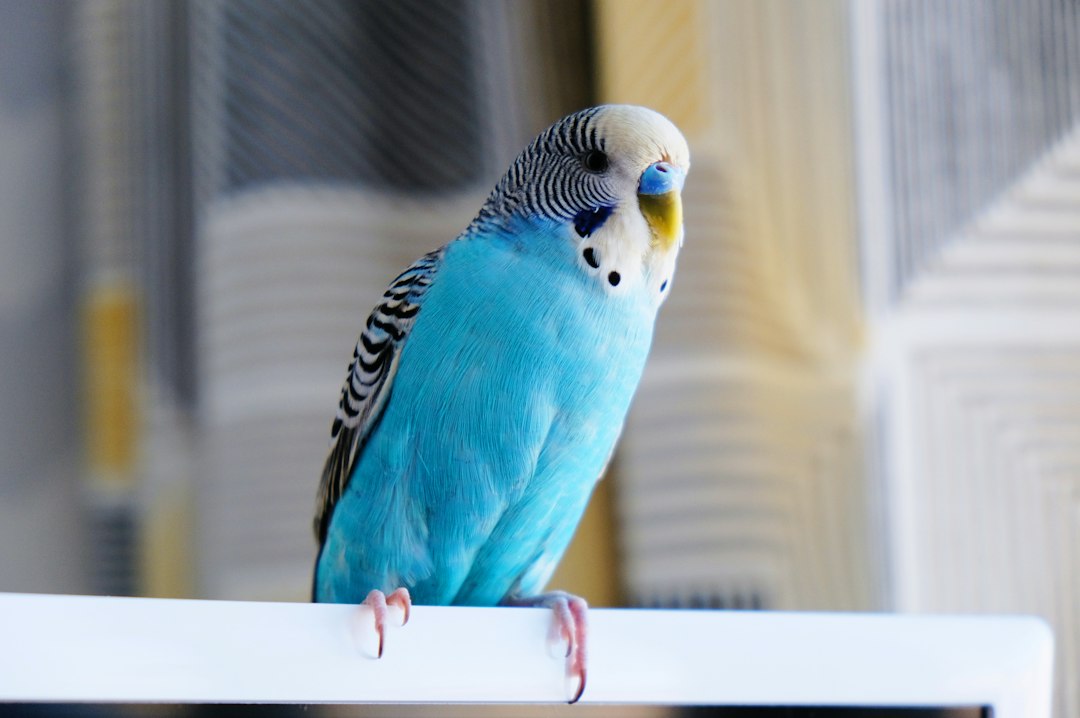
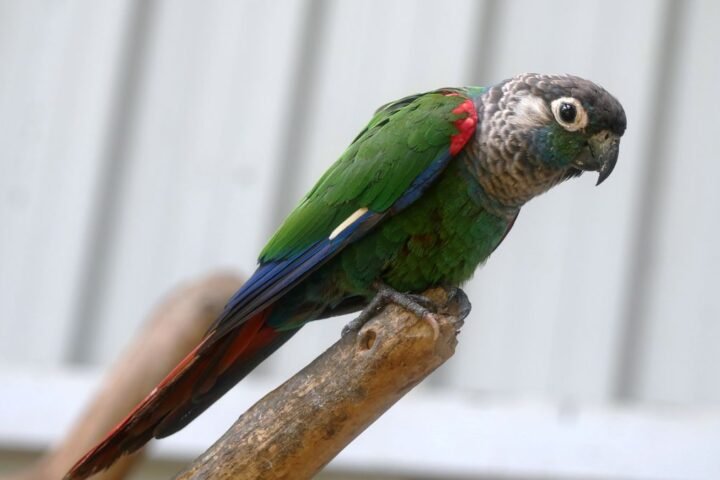
Most parrots have two toes facing forward and two backward, which gives them a strong grip for climbing and manipulating food.
2. The beak is a tool, not just a mouth
Parrots use the beak for feeding, climbing, exploring and manipulating objects. Normal chewing is therefore an important behavior, not simply “destruction.”
3. Vocal learning is real
Some parrots can imitate human speech and environmental sounds. That does not mean every species or every individual will talk, and mimicry is not proof of human-like language understanding.
4. Parrot intelligence varies
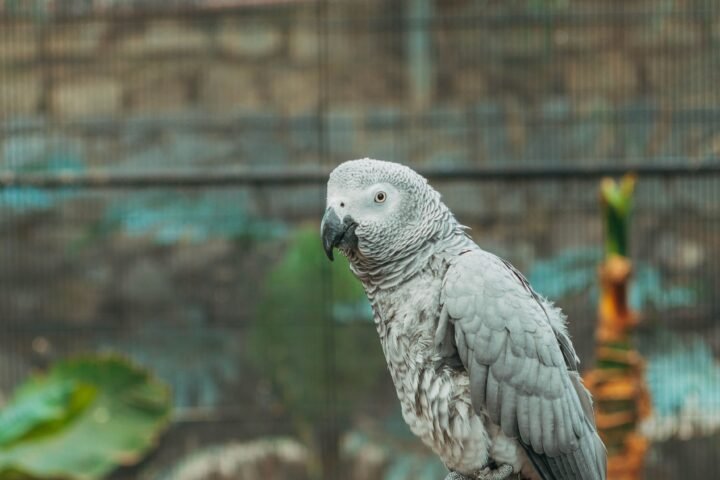
Research on species such as African Grey Parrots has demonstrated sophisticated learning and problem-solving abilities, but “as smart as a five-year-old child” style claims oversimplify animal cognition.
5. Many species are highly social
Social needs are one reason isolation and under-stimulation can contribute to behavior problems in companion parrots.
6. Lifespan varies dramatically
Small parrots may live for years to decades, while some large parrots can live for several decades with good care. Lifespan claims should be species-specific rather than using one number for all parrots.
7. Seed-only diets are not balanced companion-bird diets
The Association of Avian Veterinarians provides species-care resources emphasizing balanced nutrition and preventive veterinary care.
8. Feathers do more than enable flight
Feathers support flight, insulation, communication and visual display. Feather condition can also provide clues about nutrition, stress or health.
9. Not every parrot is a good beginner pet
Noise, biting potential, lifespan, social needs and destructive chewing vary greatly. A species should be chosen by care requirements rather than appearance or talking ability.
10. Wild parrots face conservation pressures
Habitat loss and illegal wildlife trade threaten some species, which is one reason provenance and legal sourcing matter when acquiring a companion bird.
11. Parrot feet are built differently from human hands
Most parrots have zygodactyl feet: two toes point forward and two backward. This arrangement supports climbing, gripping and, in many species, holding food while the beak manipulates it.
12. The beak is both a tool and a sensory structure
Parrots use the beak for climbing, exploring, manipulating objects, eating and social interaction. Chewing is therefore a normal behavior to direct toward safe materials, not something owners can simply eliminate.
13. Parrots can learn vocal patterns without understanding language like people do
Some birds use learned sounds in context, while others repeat environmental noises or speech patterns. Talking ability varies greatly among species and individuals.
14. Intelligence creates husbandry obligations
AAV’s enrichment guidance describes sensory, nutritional, manipulative, environmental and behavioral enrichment. An intelligent bird needs more than a cage and food bowl; it needs repeated opportunities to make choices and solve manageable problems.
15. Foraging can turn ordinary food into enrichment
Hiding part of the normal ration in easy puzzles or paper folds encourages searching behavior without relying on extra treats.
16. Large parrots are not automatically the most intelligent
Problem-solving ability appears across many parrot groups. Size, talking reputation and purchase price do not reliably predict how cognitively demanding an individual bird will be.
17. Seed preference does not mean seeds are nutritionally complete
Merck notes that seed-heavy diets can contribute to malnutrition and obesity. Preference for high-fat foods should not be confused with nutritional adequacy.
18. Many parrots conceal illness
As prey animals, birds may hide weakness. Changes in weight, appetite, droppings, breathing, voice and usual activity can therefore be important even when the bird does not look dramatically sick.
19. Gram-scale weighing can reveal change before feathers do
Feathers make visual body-condition assessment difficult. Regular measurements under similar conditions provide an objective trend.
20. Powder down varies by species
African Greys and cockatoos are well known for producing powder down. This can affect cleaning needs and household air quality, especially for people with respiratory sensitivity.
21. Parrot noise has a biological function
Contact calls, flock communication and morning or evening vocal periods are normal. Training can change reinforced screaming but cannot erase species-typical communication.
22. Many parrots are strong enough to injure a person
A bite is not evidence of a “bad bird.” Fear, overstimulation, territorial behavior and ignored body-language signals often contribute. Positive reinforcement and respecting distance are safer than punishment.
23. Parrots can live long enough to outlast major human life changes
Housing moves, relationships, children, employment and the owner’s health can all change during a parrot’s life. Long-term guardianship planning should be part of responsible ownership.
24. Out-of-cage freedom still requires boundaries
Ceiling fans, open doors, windows, kitchens, hot liquids, electrical cords, toxic plants and other pets can all be dangerous. “Free flight in the house” is not the same as a bird-safe environment.
25. Bathing preferences differ
Some parrots enjoy misting, others dishes or shower perches. Bathing should be offered safely and voluntarily rather than forced.
26. Foot health depends on movement and perch variety
One uniform dowel can load the same areas repeatedly. Safe variation in diameter and texture helps distribute pressure and gives the feet more natural work.
27. Enrichment needs to be inspected for safety
Rope can fray, metal can rust, bells can trap toes and chewed plastic can create sharp edges. A toy is only safe while it remains structurally sound.
28. A talking bird may still be difficult to live with
Speech does not reduce mess, noise, biting risk, diet needs or veterinary costs. Choose species based on husbandry fit rather than entertainment value.
29. Conservation status matters when acquiring parrots
Ask about legal provenance and responsible sourcing. Avoid supporting illegal wildlife trade or sellers unable to document where birds came from.
30. Good parrot care is a long-term system
Housing, nutrition, veterinary care, enrichment, sleep, social interaction and household safety work together. No single toy, diet ingredient or training trick compensates for weaknesses in the rest of the system.
31. Parrots can manipulate objects with remarkable precision
Many species use the beak and feet together to rotate, peel, hold and inspect items. This is one reason safe destructible enrichment and foraging can be so engaging.
32. Sleep loss can affect behavior
Irregular late-night household activity can contribute to irritability or stress. Consistent quiet sleep is part of husbandry, not an optional comfort.
33. Weight tracking is more informative than feathers
A full feather coat can hide gradual loss. Regular gram-scale measurements under similar conditions give owners an objective health trend.
34. Not all parrots tolerate the same social intensity
Some individuals enjoy frequent handling; others prefer interaction at a distance or through training. Respecting choice reduces conflict and biting.
35. Birds should not be punished for normal communication
Contact calls, chewing, movement and social behavior are species-typical. Good care redirects these behaviors into acceptable outlets rather than trying to suppress them completely.
36. A parrot’s normal behavior is a health baseline
Knowing the bird’s usual voice, appetite, weight, droppings and activity makes change easier to detect. That individual baseline is often more useful than a generic checklist.
For practical ownership rather than facts, see our first-time bird care guide. For cockatoo-specific husbandry, use our cockatoo care guide.
0 comments