
Vaccination Schedule for Dogs: Core Vaccines, Timing and Risk-Based Choices
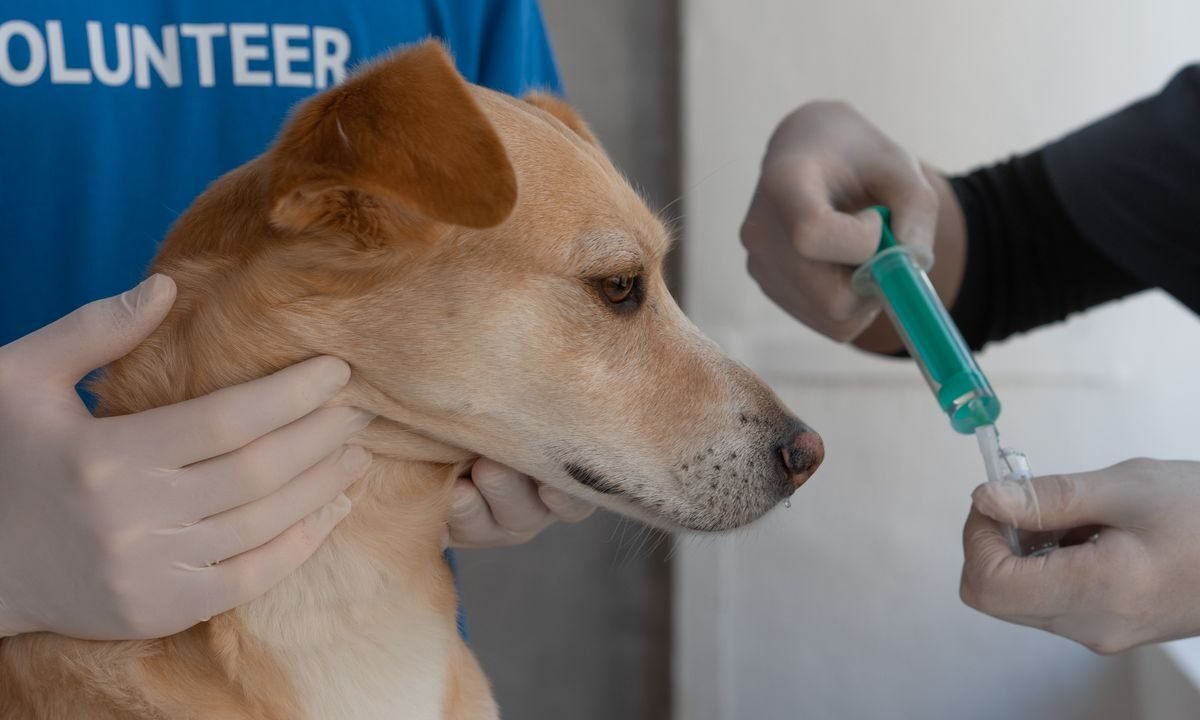
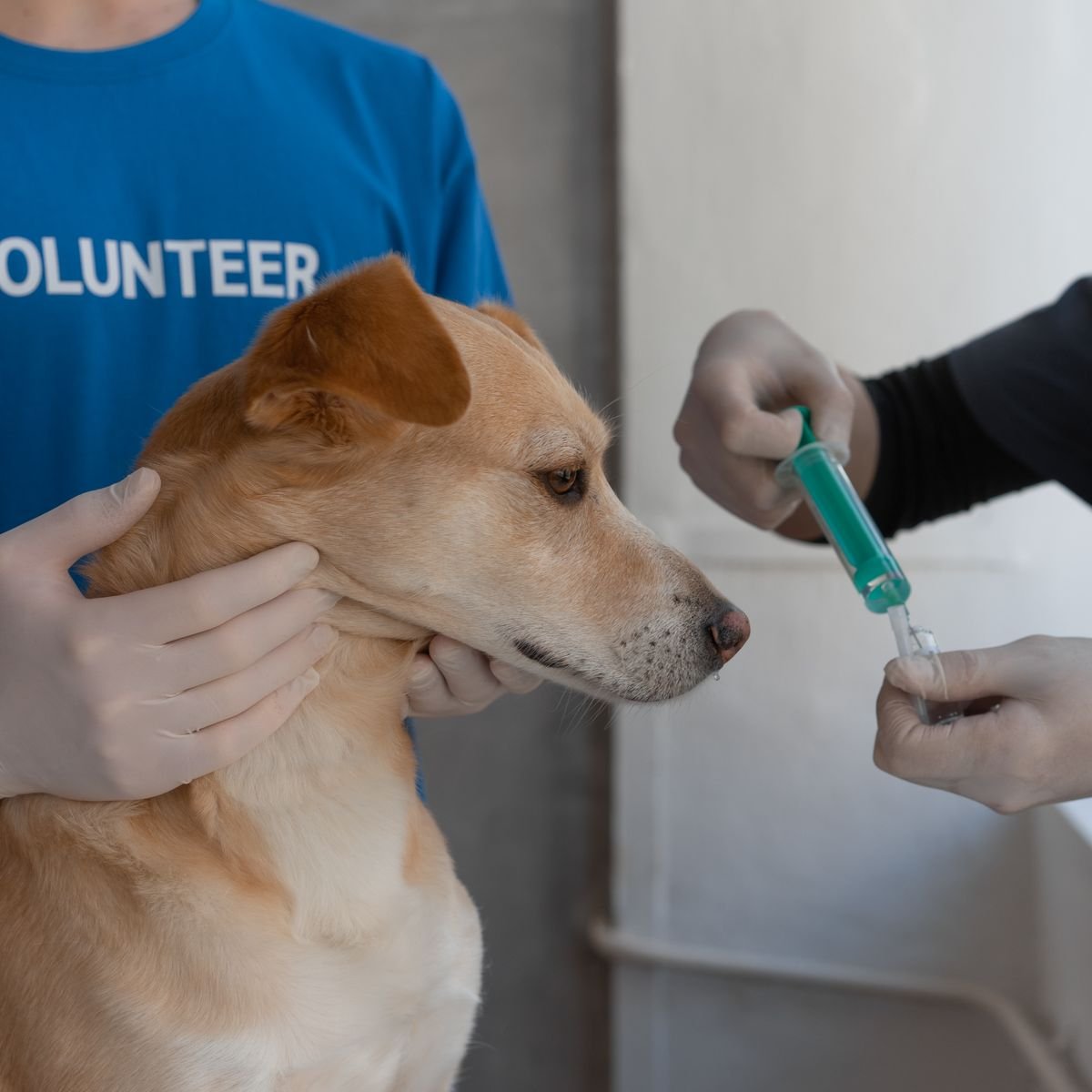
A dog vaccination schedule is not one fixed calendar that applies to every puppy and adult dog. Age, previous records, local disease risk, lifestyle, travel, boarding and legal requirements all shape the plan.
The useful way to read a schedule is to understand the framework, then let your veterinarian adjust it to the individual dog. That avoids two common mistakes: assuming every vaccine is annual, or assuming an indoor or older dog no longer needs preventive vaccination.
Core vaccines form the foundation
The AAHA canine vaccination guidelines provide a framework for core and risk-based vaccination. Distemper, adenovirus, parvovirus, rabies and leptospirosis are central discussions in current preventive care, while other vaccines are selected according to exposure risk.
“Core” does not mean every dog receives every product on exactly the same date. It means the disease risk is important enough that the vaccine should be considered broadly within the current guidelines and local legal requirements.
Puppies need a series, not a single early shot
Puppies can carry maternal antibodies from their mother. Those antibodies help protect very young puppies, but they can also interfere with early vaccination. That is why combination vaccines are repeated through the period when maternal antibody protection is expected to decline.
Our puppy vaccination schedule explains the age-by-age sequence in more detail. The key point is that one early dose does not provide the same confidence as completing the series your veterinarian recommends.
Why the final puppy dose matters
The puppy series is designed to cover the period when maternal antibodies may stop blocking the vaccine. If the series ends too early, there can be a window where the puppy is no longer protected by maternal antibodies but has not yet developed reliable vaccine-induced immunity.
That is why keeping the next appointment matters more than trying to memorise a generic timetable from the internet.
Socialization should still happen safely
Early social development is important, so the answer is not necessarily to isolate a puppy completely until every vaccine is finished. Ask your veterinarian which controlled environments are appropriate in your area.
Safer options may include known healthy vaccinated dogs, carefully run puppy classes with vaccination requirements, controlled car trips, handling practice and exposure to new surfaces and sounds without using high-risk dog areas.
Rabies is both a health and legal issue
Rabies vaccination rules vary by country, state, province and municipality. The required age, booster interval and accepted documentation may depend on local law and the licensed product.
Do not rely on a generic online schedule for rabies compliance. Keep the certificate accessible because boarding, licensing and travel may require proof.
Leptospirosis deserves a specific conversation
Leptospirosis is not only a rural-dog concern. Wildlife and contaminated water or soil can create exposure in urban and suburban environments too. AAHA includes leptospirosis in its current core-vaccine framework.
Your veterinarian can explain local risk, vaccine timing and whether the dog has medical factors that affect the plan.
Risk-based vaccines depend on how the dog actually lives
Bordetella, canine influenza, Lyme disease and other vaccines may be recommended according to boarding, daycare, grooming, training classes, travel, tick exposure or regional outbreaks.
A dog that spends most of its time at home may still encounter disease through veterinary visits, occasional boarding, wildlife or other dogs. Our vaccines for indoor dogs guide explains why low exposure is not the same as zero exposure.
Boarding and daycare can add their own requirements
Facilities may require vaccines beyond the dog’s usual medical plan and may require them a certain number of days before arrival. If a vaccine requires a multi-dose initial series, waiting until the week before travel can be too late.
Use our boarding vaccine guide when planning daycare, kennels or travel stays.
Adult boosters are not all annual
Different vaccines have different booster intervals. Some core viral vaccines may be given less frequently after the initial series and appropriate booster, while other vaccines are given more often because immunity and exposure patterns differ.
Our dog booster schedule guide explains those intervals in more detail.
An adult dog with incomplete records needs a catch-up plan
Rescue dogs, imported dogs and dogs changing homes may arrive without reliable documentation. A verbal statement that the dog “had all the shots” is not the same as a dated medical record.
Your veterinarian may recommend revaccination, a catch-up schedule or another evidence-based approach depending on the dog’s age, health and what can be documented. Do not assume the entire puppy series must always restart from the beginning.
Senior dogs still need individualized vaccination decisions
Age alone does not automatically remove disease risk. Some older dogs continue to travel, board, walk in wildlife areas or live in regions where core diseases remain relevant.
At the same time, chronic disease and medications can change the risk-benefit discussion. The senior vaccination plan should be reviewed rather than simply stopped.
Chronic illness can affect timing
Dogs receiving immune-suppressive treatment, managing certain cancers, recovering from severe illness or living with immune-mediated disease may need an individualized approach.
Do not skip vaccines indefinitely without discussing what protection is being lost. Your veterinarian can decide whether vaccination should proceed, be delayed or be adjusted.
What if a vaccine is overdue?
Call the clinic rather than assuming the whole series must be repeated. Catch-up recommendations depend on the vaccine, the dog’s previous history and how long the interval has been.
Bring any old paperwork you have. Even incomplete records can help the veterinarian avoid unnecessary duplication.
What reactions are expected after vaccination?
Mild soreness, tiredness or reduced appetite can occur for a short period after vaccination. Ask your clinic what they consider normal for the product used.
Facial swelling, difficulty breathing, collapse, repeated vomiting or severe weakness are not mild expected reactions and require urgent veterinary attention.
Tell the clinic about previous reactions before the next dose
A previous vaccine reaction may affect product choice, timing, observation or premedication. Do not give antihistamines or other drugs before vaccination unless your veterinarian has recommended them for that dog.
Keep a useful record, not just a reminder card
Save the vaccine name or disease coverage, date, clinic, next due date and rabies certificate where applicable. This becomes especially valuable when changing clinics, travelling or arranging emergency boarding.
A phone photo or cloud copy can prevent records from disappearing when paper certificates are lost.
Travel can change the timetable
International and interstate travel may involve rabies timing, microchip sequence, health certificates, import permits or destination-specific disease requirements.
Some rules measure time from the vaccination date, so travel planning may need to start months in advance rather than after tickets are purchased.
Titer testing has a limited role
Antibody titers can sometimes provide useful information for certain core viral diseases, but they are not interchangeable with every vaccine and may not satisfy legal rabies requirements.
Use titers as a veterinary decision tool when appropriate, not as a blanket replacement for the vaccination schedule.
Vaccination is one part of preventive care
The appointment is also a chance to review body condition, parasite prevention, dental health, nutrition, behavior and changes the owner may have noticed at home.
Our regular veterinary visits guide explains why preventive exams matter beyond vaccines.
A simple puppy planning checklist
- Bring the breeder, shelter or rescue vaccination record.
- Book the next dose before leaving the clinic.
- Ask when the puppy can safely attend classes or social activities.
- Discuss leptospirosis and regional disease risk.
- Check boarding or travel requirements early.
- Keep rabies and combination-vaccine documentation together.
A simple adult-dog review
- Confirm which core vaccines are current.
- Check legal rabies status.
- Review boarding, daycare, travel and tick exposure.
- Discuss chronic disease and previous reactions.
- Set the next booster reminder before the due date disappears from memory.
A vaccination schedule is best used as a framework, not a rigid internet timetable. The strongest plan combines current AAHA guidance, local law, the dog’s actual exposure risk and the veterinarian’s knowledge of that individual dog.
This article is general educational information and does not replace a veterinarian’s vaccination plan for your dog.
What the first year usually involves
The first year contains more vaccine decisions than most adult years because the puppy series, rabies timing and first boosters are being established. Your clinic may schedule several visits close together early on, then move to longer intervals once the initial series is complete.
This is normal preventive planning rather than over-vaccination: the early visits cover a period when immunity is still developing and the puppy is also growing rapidly.
Why exact dates vary between puppies
A puppy that starts vaccination at six weeks does not have the same schedule as one that begins later. Previous records, maternal antibody timing, local disease pressure and product label instructions all affect the final plan.
That is why copying another owner’s calendar can be misleading even when the puppies are the same breed.
What to ask at the first puppy appointment
- Which vaccines has this puppy already received?
- Which doses are still needed and on what dates?
- When is rabies due under local law?
- Is leptospirosis recommended in this area?
- Which socialization activities are safe now?
- When can the puppy attend daycare, boarding or group classes?
- What reactions should prompt an urgent call?
Social exposure and disease risk need to be balanced
Early development matters. Completely isolating a puppy until the entire vaccine series is finished can create missed socialization opportunities, while unrestricted access to high-risk dog environments can expose the puppy to disease.
Your veterinarian can help identify lower-risk activities. These may include meeting known healthy vaccinated dogs, controlled training classes with health requirements, car rides, handling practice and exposure to people and environments without visiting heavily contaminated dog areas.
Public dog parks are a different risk category
Dog parks and heavily used communal toileting areas can expose puppies to unknown vaccination histories and contaminated surfaces. Ask your veterinarian when those environments become appropriate in your region.
What happens after the puppy series
The dog is not “done forever.” A booster phase follows, and later intervals depend on the specific vaccine and current guidelines. Keep the first adult preventive visit on your calendar rather than waiting until records are requested for boarding.
Annual wellness visits do not mean every vaccine is annual
A dog may still benefit from yearly examinations even when some vaccines are due less often. The clinic can review which vaccines are current, which are due and whether lifestyle risk has changed.
Lifestyle can change from year to year
A dog that never boarded before may suddenly begin daycare. A family may move to a region with more tick exposure. A previously indoor-focused dog may begin hiking or travelling. Vaccine decisions should be revisited when the dog’s life changes.
Multi-dog households can have different schedules
Dogs in the same home may differ in age, travel, health or previous records. Do not assume one dog’s due dates apply to the others. Keep individual records for each dog.
Boarding paperwork is not the same as medical recommendation
A kennel may require certain vaccines because of its population density and business policy. Those requirements can be sensible, but they are not identical to the dog’s entire preventive-care plan. Confirm both the facility requirements and the veterinarian’s recommendations.
What if your dog has never been vaccinated?
An unvaccinated adult dog needs a veterinary catch-up plan, not a puppy schedule copied word for word. Some vaccines require an initial series, while others follow different adult recommendations.
Bring any information you have about previous ownership, country of origin and health history.
What if the vaccine history is uncertain rather than absent?
Rescue paperwork can contain incomplete dates or vague notes. The veterinarian may decide that reliable protection is more important than assuming an undocumented dose was valid.
Do not alter records or guess dates to satisfy boarding requirements. Accurate documentation matters medically and legally.
Pregnancy and breeding require planning
Breeding dogs should have preventive care reviewed before mating rather than trying to solve vaccine gaps during pregnancy. Timing, maternal protection and product labeling all matter. Discuss the plan with a veterinarian experienced in reproduction.
Immunocompromised dogs need individualized decisions
Chemotherapy, immune-suppressive medication and some chronic diseases can alter vaccine timing or response. The risk of infection also remains relevant, so the decision is not simply “vaccinate” versus “never vaccinate.”
What about small dogs and vaccine reactions?
Small body size can be part of the veterinarian’s risk assessment, especially when a dog has a previous reaction, but owners should not reduce or split vaccines on their own. Product dosing and timing should be decided by the clinic.
Do not treat a mild expected reaction as proof vaccines are unsafe
Temporary tiredness or soreness can happen after immune stimulation. What matters is severity and duration. Ask the clinic what they expect and when they want an update.
Emergency signs after vaccination
Facial swelling, breathing difficulty, collapse, repeated vomiting, severe weakness or rapidly worsening symptoms need urgent veterinary attention. Keep the clinic number accessible after vaccination, especially if the dog has a reaction history.
Travel documents need lead time
Some destinations require rabies vaccination to occur after microchipping, followed by a waiting period or laboratory testing. These rules can take weeks or months to satisfy.
Start with the official destination requirements and your veterinarian rather than relying on travel blogs or old forum posts.
Build one reliable record system
Store paper certificates and digital copies together. Include the dog’s microchip number, vaccine dates, clinic details and next due dates. This reduces confusion when travelling, changing clinics or dealing with an emergency evacuation.
Use reminders before, not after, the due date
Set reminders several weeks early when a vaccine may be needed for boarding or travel. That leaves time for an appointment and, when necessary, a multi-dose series.
The best schedule changes when the dog’s risk changes
Good preventive care is not a static card in a drawer. It is an ongoing review of age, health, exposure and law. The strongest vaccination plan is the one that stays current with the dog’s real life.


0 comments