
Vaccines for Indoor Dogs: Which Ones Still Matter if Your Dog Rarely Goes Out?
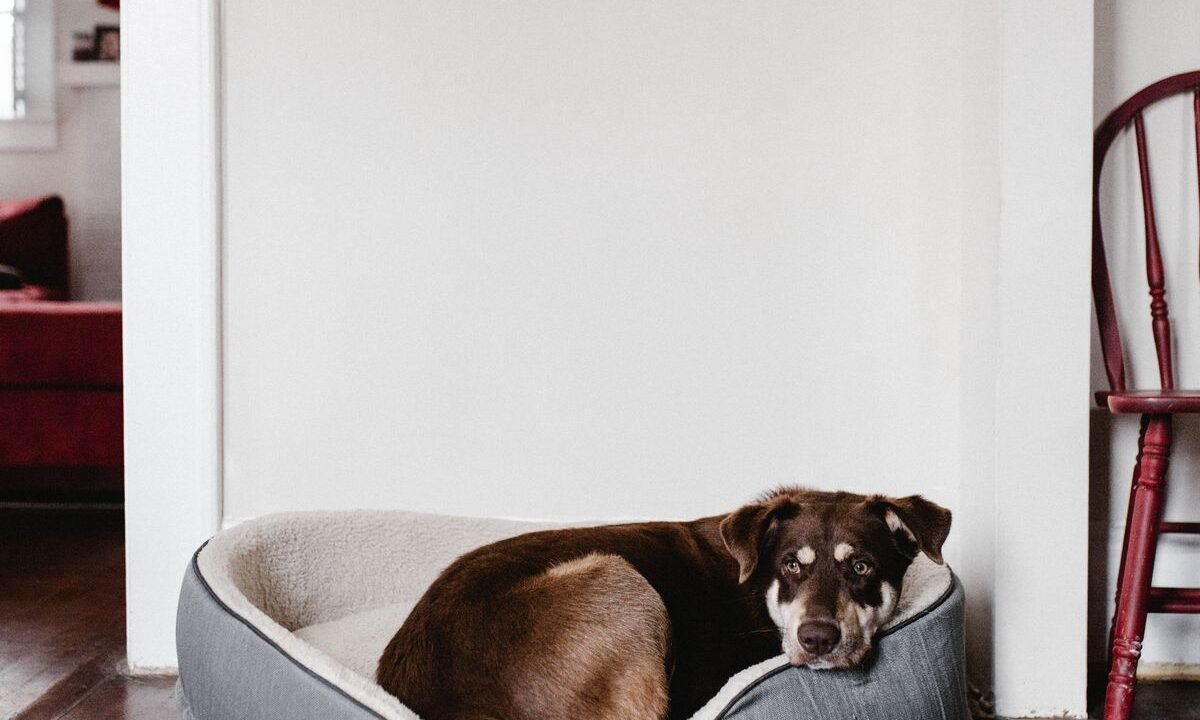
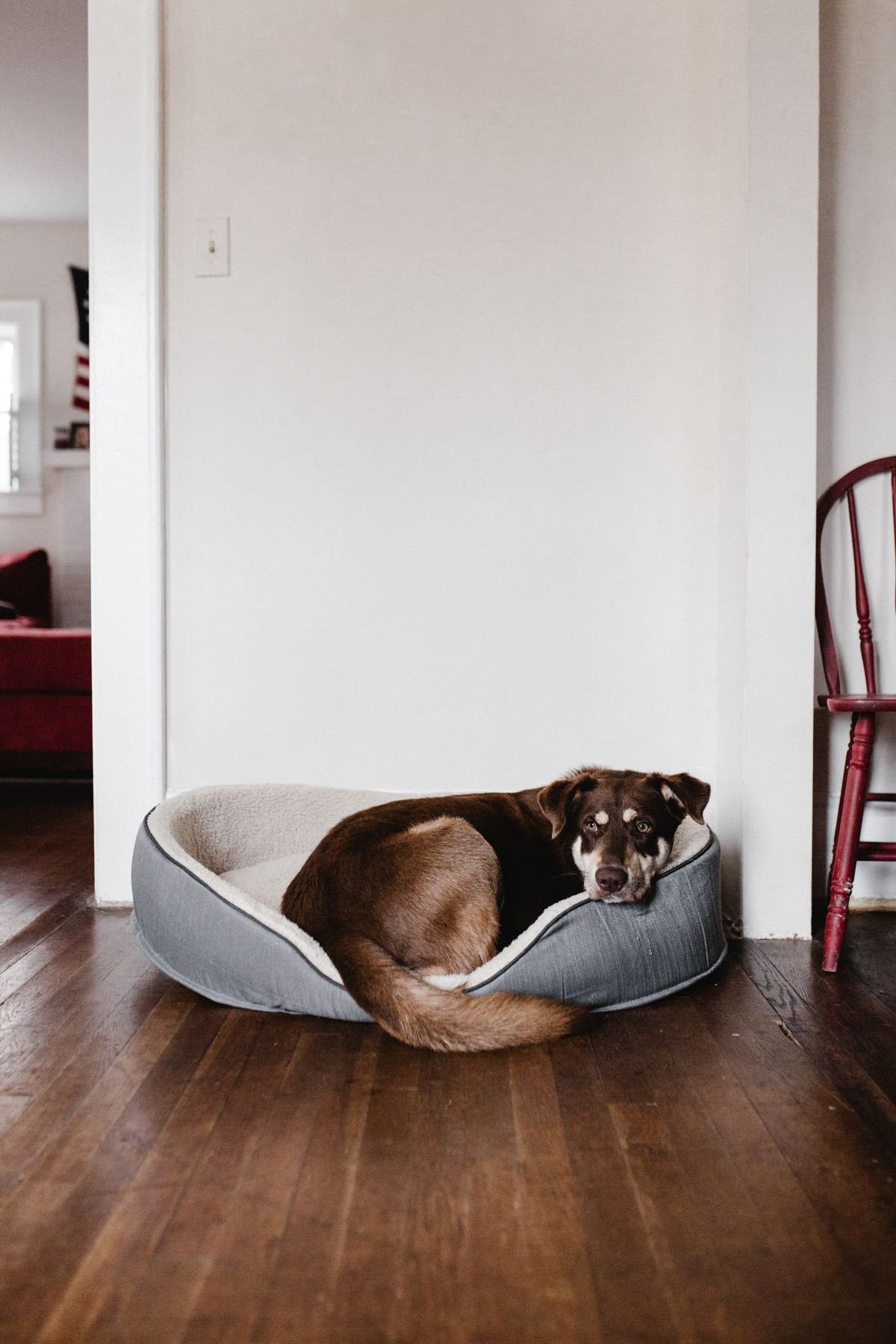
Vaccines for indoor dogs are still important because “indoor” does not mean isolated from infection. Dogs leave the house for veterinary visits, toilet breaks, walks, grooming and emergencies. People can also carry contaminated material indoors, and wildlife or rodents can create exposure without a dog visiting a park.
Core vaccines do not disappear because a dog stays home
The AAHA canine vaccination guidance separates vaccines into core and noncore groups. Core vaccines are recommended broadly unless there is a medical reason not to vaccinate, while noncore choices depend more heavily on exposure risk.
Distemper, adenovirus and parvovirus remain important
A dog does not need to spend hours at a dog park to encounter infectious disease. Parvovirus, for example, is environmentally persistent. Keeping core protection current is not only about how many walks your dog takes.
Rabies is also a legal issue
In many jurisdictions rabies vaccination is required by law, regardless of whether a dog is mostly indoors. Indoor dogs can still escape, encounter wildlife or need emergency boarding. Follow local legal requirements and your veterinarian’s schedule.
Leptospirosis risk can exist near the home
Leptospira bacteria can be spread through infected animal urine and contaminated water or soil. Urban rodents and backyard wildlife mean the risk is not limited to hiking dogs. AAHA currently includes leptospirosis among its core recommendations in North America, though regional guidance can differ.
Boarding changes an indoor dog’s exposure overnight
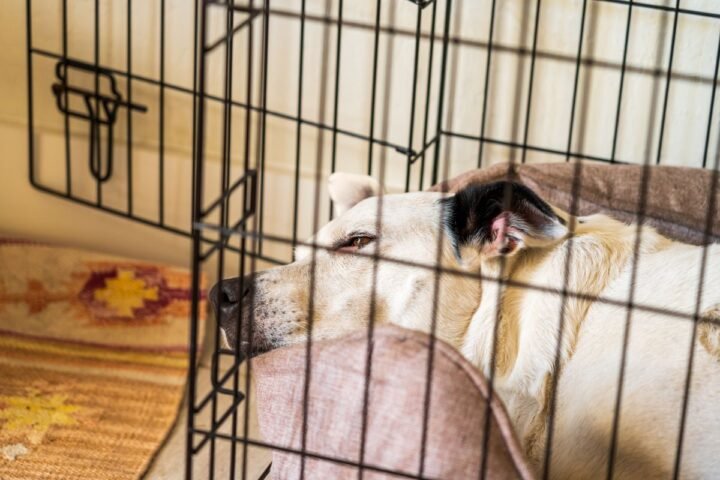
A dog that normally stays home may suddenly need daycare, boarding or a hospital stay. Close contact with other dogs can make Bordetella or canine influenza vaccination relevant. If you know travel or boarding is coming, ask early rather than the day before.
Grooming and training classes count as lifestyle exposure
Indoor dogs still share indoor air and surfaces with other dogs at grooming salons, group classes and clinics. Tell your veterinarian about those activities when discussing noncore vaccines.
Age and health can modify the plan
A senior indoor dog, a puppy and a dog receiving immunosuppressive treatment may need different timing or precautions. “Indoor” is only one part of the risk assessment.
Do not skip boosters because the dog looks healthy
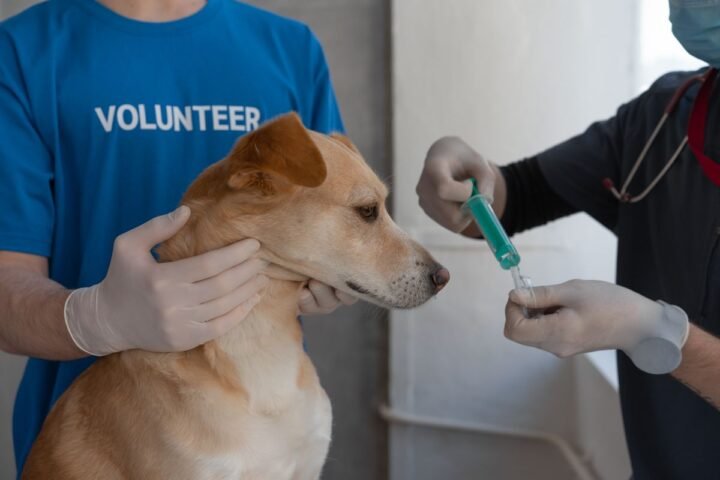
Vaccination prevents disease; it is not something you wait to consider after symptoms appear. Some core vaccines have long booster intervals after the initial series, while others may require more frequent revaccination.
Ask about local disease patterns
Risk can change by country, city and season. Tick-borne disease, leptospirosis and respiratory outbreaks do not occur at the same level everywhere. Your veterinarian sees local cases and can make a more useful recommendation than a generic internet list.
Use lifestyle to add vaccines, not to erase the basics
Our dog vaccination schedule guide explains the difference between core vaccines and risk-based choices. For an indoor dog, the useful question is usually “What should be added or adjusted for this lifestyle?” rather than “Can I skip vaccines completely?”
0 comments