
Dog Booster Vaccination Schedule: Which Boosters Are Yearly and Which Are Not?
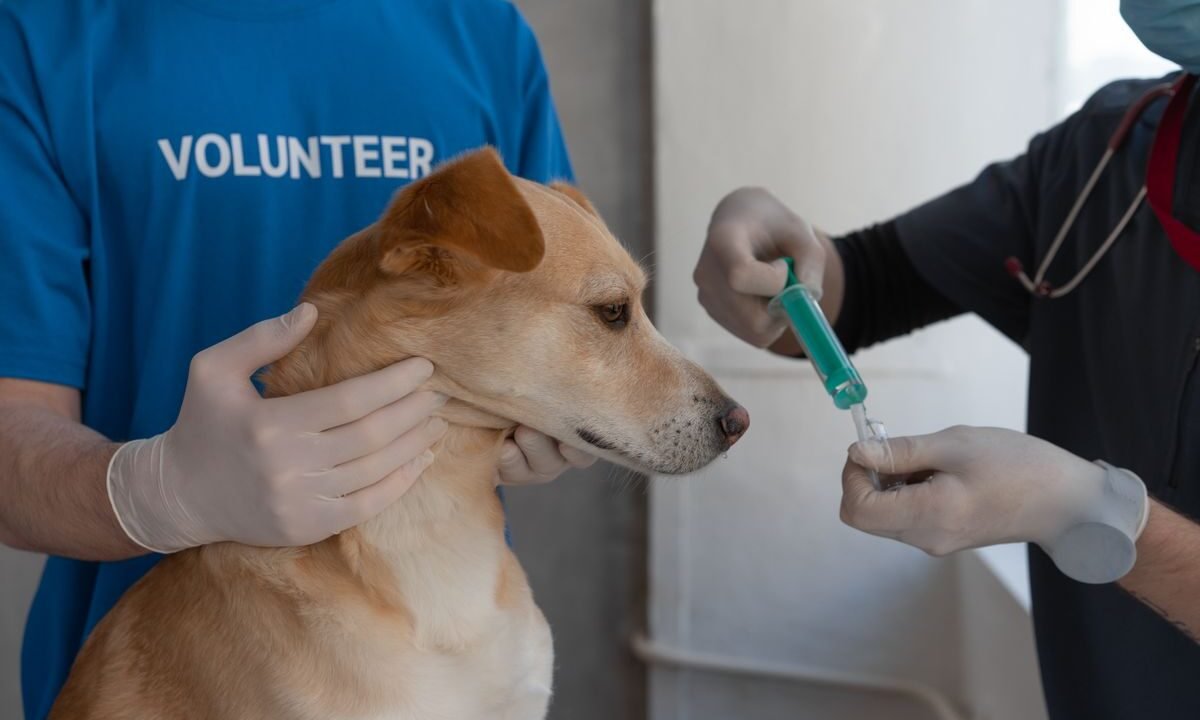
A dog booster vaccination schedule is not simply “every vaccine every year.” Different vaccines have different durations of immunity, legal requirements and product instructions. Once a dog has completed the initial series correctly, some core vaccines are typically repeated much less often than others.
The puppy series comes before the adult booster pattern
Booster timing only makes sense if the dog completed an appropriate initial course. Puppies receive repeated doses because maternal antibodies can interfere with early vaccination. Adult dogs with unknown histories may need a different catch-up plan.
Core distemper, adenovirus and parvovirus boosters are not usually annual forever
The 2024 WSAVA guidelines recommend that after the puppy series and subsequent revaccination, these core vaccines should generally not be given more frequently than every three years in a normally vaccinated adult dog.
Rabies follows product and legal requirements
Rabies booster intervals vary by vaccine licensing and local law. A veterinarian cannot simply ignore the legal schedule because another core vaccine is on a three-year interval.
Leptospirosis commonly needs more frequent boosters
AAHA’s current canine guidance recommends annual revaccination for leptospirosis after the initial two-dose series and first booster. This is one reason an annual veterinary visit does not mean every injection at that visit is the same.
Bordetella and influenza may remain annual for at-risk dogs
Dogs that board, attend daycare, train in groups or have other close-contact exposure may be advised to receive respiratory vaccines on a recurring schedule. Exact timing can vary with the product and facility rules.
Lyme vaccination depends on exposure risk
Dogs in tick-endemic areas or those that travel into them may be advised to receive Lyme vaccination and regular boosters. Vaccination does not replace tick prevention.
Do not use an old reminder card as the only authority
Guidelines, products and a dog’s lifestyle can change. Bring the vaccination record to each wellness visit and ask which vaccines are actually due now rather than assuming everything on an old card should be repeated.
Overdue does not always mean restarting the whole series
Catch-up recommendations depend on the specific vaccine, how late the dog is and previous documentation. Do not book extra injections yourself based on a missed date; ask the clinic that will administer the vaccine.
Keep boarding and travel dates in mind
Some facilities require vaccines to be given a certain number of days before arrival. If you are planning a trip, check requirements early enough for an initial series or booster to become effective.
The annual visit is broader than vaccination
Even when no three-year vaccine is due, regular veterinary visits still matter for weight, dental health, parasite prevention, mobility and early disease detection. Our regular vet visit guide explains why vaccination is only one part of preventive care.
Use one personalized record instead of several generic schedules
Our dog vaccination schedule guide gives the broader framework. Your dog’s booster plan should then list the actual vaccine, last date, next due date and reason it is recommended.

0 comments