
Shiba Inu Food Guide: Calories, Weight, Protein, Sensitive Skin and What to Feed
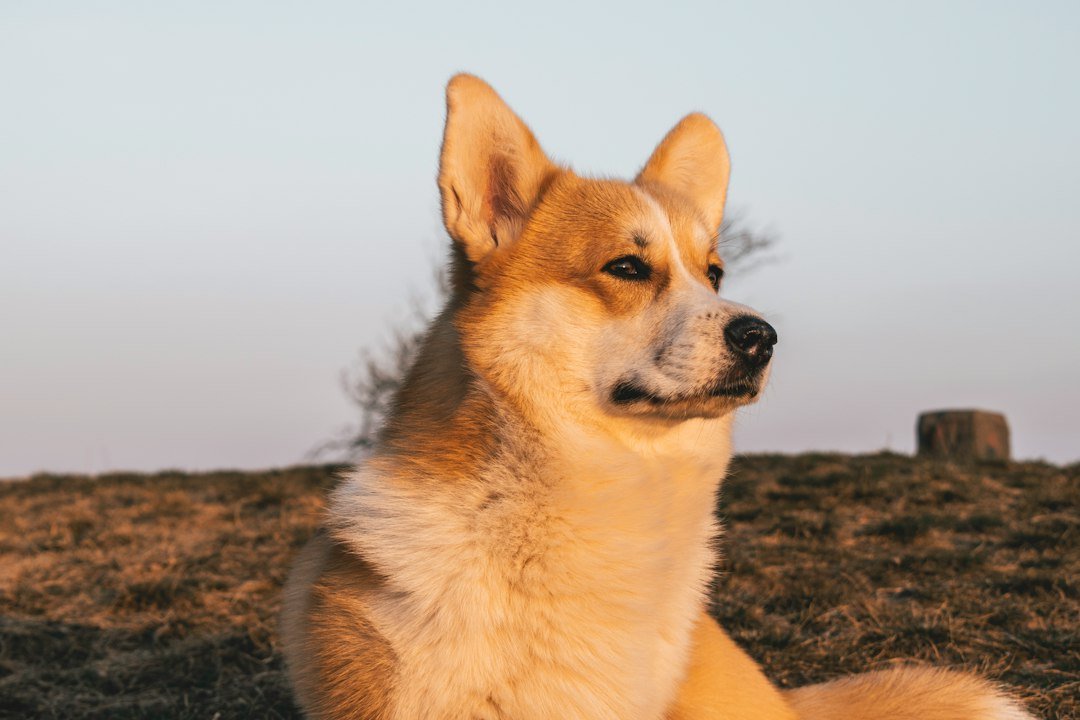
Shiba Inus are often described online as picky, independent or unusually sensitive eaters, but feeding decisions should not be built around breed stereotypes. The useful questions are the same ones that matter for any dog: Is the food complete? Is it right for the life stage? Are calories maintaining a healthy body condition? Does the dog have a medical reason for a therapeutic diet?
Start with complete nutrition
AAFCO guidance recommends choosing food according to species, life stage and condition. For a healthy adult Shiba, an appropriate complete adult-maintenance diet is usually the starting point.
How many calories does a Shiba Inu need?
There is no universal Shiba calorie number. Merck notes that energy requirements vary substantially even among animals of the same weight. Activity, age, neuter status, environment and body composition all matter.
Body condition is the feedback loop
Use ribs, waist and abdominal tuck to judge whether the ration is appropriate. Our body-condition guide gives a practical visual framework.
Puppy feeding
Shiba puppies need a complete growth diet and regular measured meals. Monitor growth rather than trying to accelerate it. Avoid unnecessary calcium or vitamin supplementation when feeding a complete puppy diet.
Protein
Healthy Shibas need adequate protein but not an extreme high-protein diet by default. A complete food should provide appropriate amino acids for the intended life stage.
Fat and activity
Fat increases calorie density. A very active Shiba may need more energy, but a typical companion dog can gain weight if fed a performance-style diet without the workload to match.
Our active-dog guide explains when higher-energy feeding is useful.
“Picky eating” deserves context
A dog that occasionally skips food but maintains healthy weight and energy is different from a dog with sudden appetite loss, vomiting, pain or weight loss. Do not keep escalating to richer foods without checking for medical causes when appetite changes unexpectedly.
Skin and coat problems
Itching and coat changes are often blamed on food, but environmental allergy, parasites and skin infection are also common. Food allergy is best evaluated through a structured elimination diet, not repeated random protein changes.
Sensitive digestion
Soft stool or vomiting can result from many factors, including abrupt diet changes and treat overload. Use our sensitive-stomach guide for a structured approach.
Grain-free is not automatically better
There is no breed-wide requirement for Shiba Inus to avoid grains. Ingredient exclusions should have a nutritional or medical reason rather than being chosen from marketing trends.
Wet versus dry food
Either can work. Compare complete nutrition and calories. Mixed feeding is reasonable when total daily intake is measured.
Treats and training
Use small rewards and count them toward the daily calorie allowance. AAHA flags excessive calories from noncomplete foods as a nutritional risk factor.
Meal frequency
Puppies generally need several meals per day. Many healthy adults do well on two measured meals. See our dog feeding guide for a broader framework.
Senior Shiba Inus
Older dogs may need fewer calories as activity falls, but preserving muscle is important. Unexpected weight or muscle loss deserves veterinary assessment rather than automatic calorie restriction or supplementation.
When to change the diet
- Persistent digestive signs
- Unexpected weight change
- Chronic itching with veterinary concern for food allergy
- Transition from growth to adulthood
- Development of a medical condition requiring therapeutic nutrition
Bottom line
The best Shiba Inu feeding plan is evidence-based rather than stereotype-based: complete food for the correct life stage, calories adjusted to body condition, modest treats and veterinary investigation of persistent skin, digestive or appetite problems.
How to distinguish preference from a medical appetite problem
A healthy dog that declines one meal but remains bright, active and weight-stable is different from a dog with sudden appetite loss, nausea, vomiting, pain or weight loss. Shibas can have strong preferences, but breed reputation should never be used to dismiss a real change in eating behavior.
Should you rotate proteins to prevent allergies?
Routine protein rotation has not been shown to prevent food allergy and can make future elimination-diet trials more difficult because the dog has already been exposed to many ingredients. Feed a diet that works unless there is a clear reason to change it.
How to compare foods for skin concerns
If the dog has chronic itching, first establish whether the veterinarian suspects food allergy, environmental allergy, parasites or infection. A retail food advertised for “skin” may contain useful fatty acids but cannot diagnose food allergy. Diagnostic elimination diets need strict ingredient control and enough time to assess response.
Fish oil and coat supplements
Omega-3 supplements can be appropriate in selected dogs, but more is not always better. Oils contribute calories and may alter the fat content of the diet. Check whether the complete food already contains EPA and DHA and ask the veterinarian for a dose when supplementation is indicated.
How much food should go into training?
Shiba Inus may respond well to high-value reinforcement, but training calories still count. Use very small pieces and, when practical, reserve part of the daily ration for easier training tasks or enrichment. This keeps the diet more predictable and helps prevent slow weight gain.
What if the dog is very active?
A Shiba that hikes regularly, competes in sports or does sustained activity may need more calories than a sedentary companion. Increase measured intake gradually and watch body condition. A performance food is useful only when the workload actually warrants the additional energy density.
What if the Shiba gains weight after neutering?
Energy needs can change after neutering or a reduction in activity. Do not wait for obvious obesity. Reassess the portion when body condition begins to increase, and use measured feeding rather than relying on appetite.
Senior feeding
There is no single “senior” nutrient profile that every older Shiba needs. Some older dogs need fewer calories, while others with disease or muscle loss may need a more individualized plan. Monitor body weight, muscle condition, dental health and appetite and make changes for a reason rather than for age alone.
When diet experimentation should stop
Repeated vomiting, persistent diarrhea, blood in stool, unexplained weight change, marked lethargy, excessive thirst, painful eating or abrupt appetite loss needs veterinary assessment. The correct next step may be diagnosis and a therapeutic diet, not another over-the-counter flavor.
A practical Shiba feeding workflow
- Choose a complete diet for the correct life stage.
- Measure the ration.
- Track body condition and weight.
- Keep treats intentional and small.
- Change foods gradually when appropriate.
- Investigate persistent skin, digestive or appetite problems.
- Adjust calories when activity, age or health changes.
How to compare two Shiba foods fairly
Compare foods at the level that matters: life-stage adequacy, calorie density, manufacturer information, digestibility for the individual dog and whether the dog maintains healthy body and muscle condition. Avoid ranking foods from ingredient-list aesthetics alone.
Transitioning without creating avoidable stomach upset
When a healthy dog changes foods, increase the new food gradually over several days unless a veterinarian recommends otherwise. Keep treats and other variables stable during the transition so that, if stool changes, you can more clearly identify what changed.
Use routine rechecks instead of constant food switching
Once a complete diet is working, stability has value. Recheck weight and body condition periodically, then change the amount before changing the entire food. Frequent switching can make it harder to understand whether a digestive or skin problem is truly diet-related.
0 comments