
Reptile Terrarium Setup: Heat, UVB, Humidity and Safe Housing
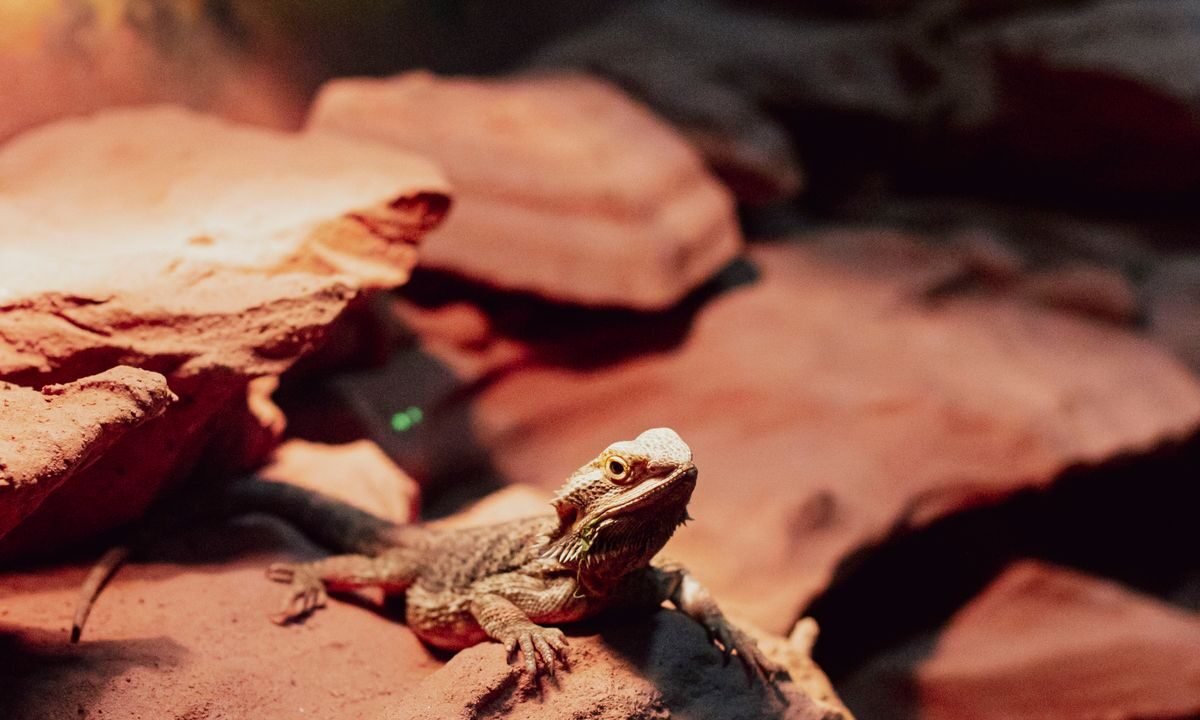
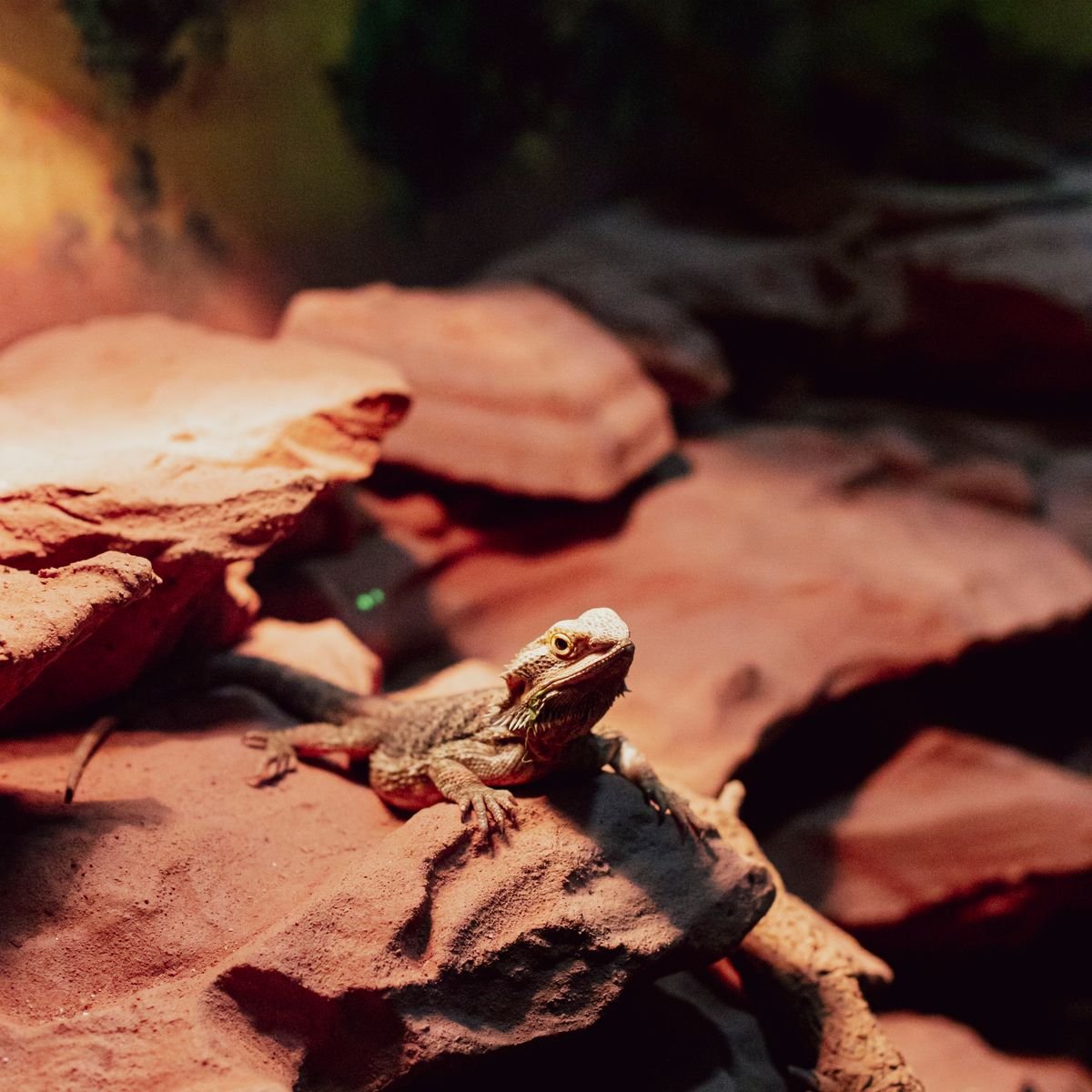
A reptile terrarium cannot be set up safely from a generic checklist alone. A corn snake, leopard gecko, bearded dragon and crested gecko have very different temperature, humidity, lighting and space requirements. The first step is to identify the exact species and research its adult needs before buying equipment.
Start with the adult size of the reptile
Choose an enclosure that allows normal movement, stretching, climbing or burrowing for the species you plan to keep. Do not size the permanent terrarium only around a juvenile animal.
Create a temperature gradient
Reptiles are ectothermic, which means they depend on environmental heat. The RSPCA corn snake care guidance explains the basic principle of a warmer area at one end and a cooler area at the other so the animal can regulate body temperature by moving.
Use a thermostat with heat sources
A heat source should not run uncontrolled. Thermostats help prevent dangerous overheating, but you still need separate digital thermometers to verify actual temperatures where the reptile lives and basks.
Do not copy another species’ temperature numbers
The correct basking and cool-side temperatures vary by species, age and sometimes locality or morph. Use current species-specific husbandry guidance from a reptile veterinarian or reputable welfare organization.
Provide UVB according to species needs
Many reptiles benefit from or require correctly selected ultraviolet lighting. RSPCA species guides explain that UVB supports vitamin D3 production and calcium use, but the correct UV Index, lamp strength and distance differ between species.
Remember that UVB weakens with distance
Mesh, distance and lamp age all affect the UV reaching the reptile. Follow the lamp manufacturer’s installation guidance and the species-specific target rather than assuming any UVB bulb will work anywhere in the enclosure.
Control humidity with measurement rather than guesswork
Use a digital hygrometer and compare the reading with the needs of the exact species. Too little humidity can interfere with shedding in some reptiles, while chronically excessive humidity and poor ventilation can encourage respiratory and skin problems.
Ventilation matters
A terrarium needs fresh-air exchange without making it impossible to maintain temperature and humidity. Good ventilation helps limit damp stagnant conditions and bacterial buildup.
Choose substrate for the animal, not the appearance
The safest substrate depends on species, age, feeding method and natural behavior. Some reptiles need opportunities to dig, while others may be safer on simpler substrates during quarantine or medical treatment.
Provide secure hides
Reptiles need places where they can retreat from view. Many species benefit from hides on both the warm and cooler side so choosing privacy does not mean losing access to the correct temperature.
Add climbing only when the species uses it safely
Branches, ledges and textured surfaces can enrich arboreal or climbing species, but everything should be stable and positioned so falls or collapsing decorations are unlikely.
Use timers for a consistent day and night cycle
Lighting should follow a predictable photoperiod appropriate to the species. Timers help keep the cycle consistent without depending on someone remembering to switch lights each day.
Keep heat and lamps physically guarded
Reptiles can climb onto hot fixtures or remain close enough to burn themselves. Lamps and heaters should be installed according to manufacturer guidance with guards where needed.
Clean safely
Spot-clean waste promptly and use reptile-safe products for deeper cleaning. Reptiles can carry Salmonella, so wash hands after handling the animal, substrate, food bowls or enclosure equipment.
Keep household chemicals away from the enclosure
Aerosols, fragranced cleaners and other household chemicals should not be used carelessly around reptile housing. If you are worried about a pet exposure, our pet poisoning guide explains what information to collect before contacting professional help.
Make the enclosure escape-proof
Check door latches, cable openings, ventilation gaps and sliding panels before the reptile goes in. Snakes and small lizards can exploit surprisingly narrow gaps, so enclosure security should be tested before daily use.
Set up and test the terrarium before adding the reptile
Run the heating, lighting and monitoring equipment long enough to confirm that temperatures, humidity and day-night cycles remain stable. Correcting the setup while the enclosure is empty is easier than making major changes around a newly arrived animal.
Build the enclosure around the species
A good reptile terrarium is species-specific. Build it around the correct enclosure size, heat gradient, controlled heating, UVB, humidity, ventilation, hides and substrate, then verify those conditions with reliable measuring equipment instead of guessing.
0 comments