
Reptile Enclosure Humidity Problems: How to Fix Air That Is Too Dry or Too Damp
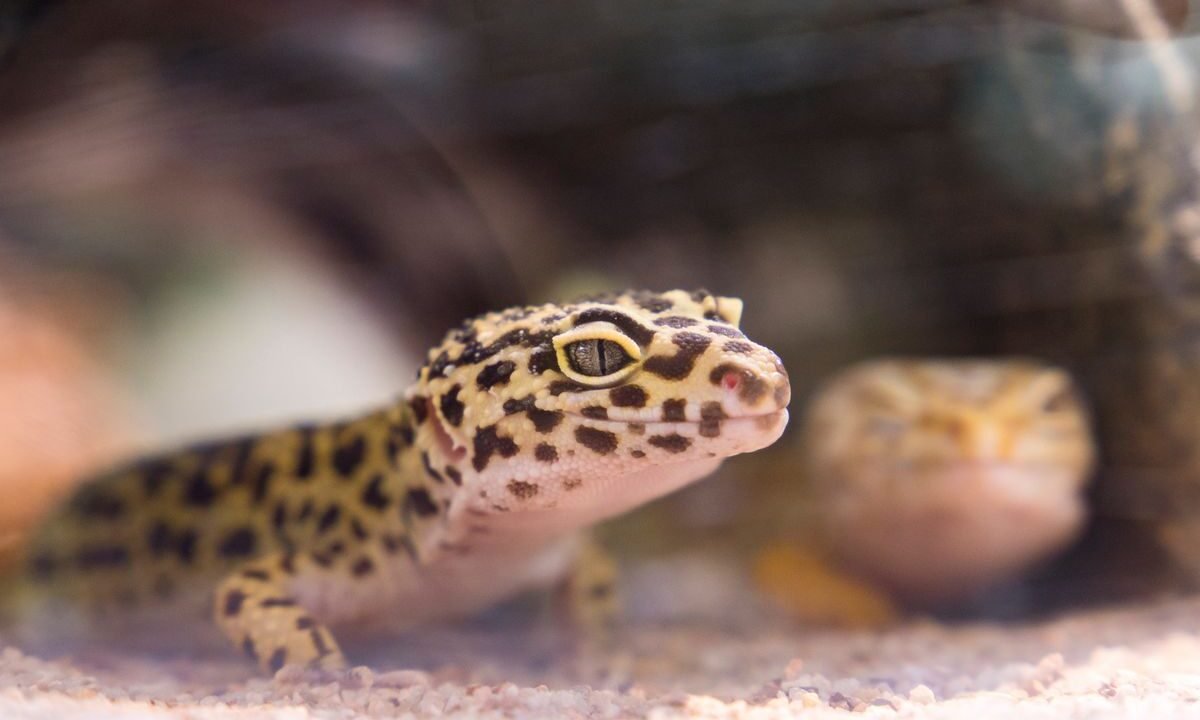
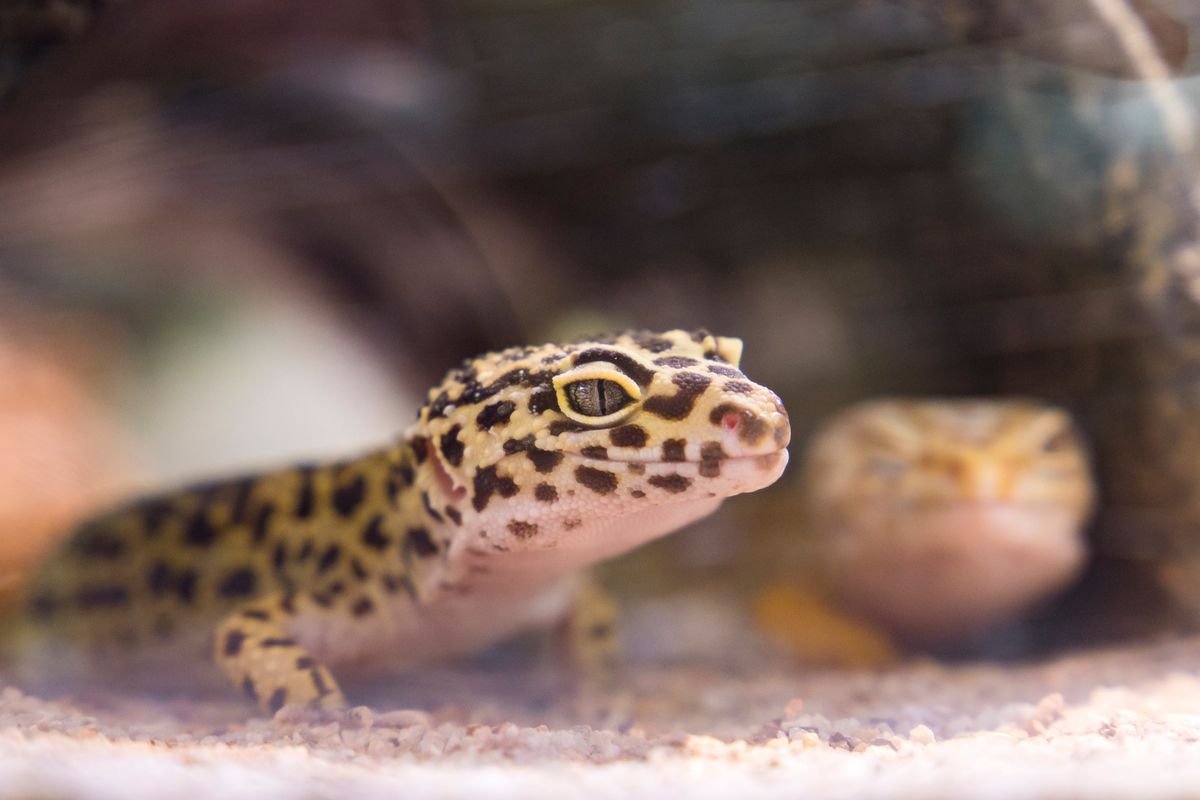
Reptile enclosure humidity problems are often caused by treating humidity as one number for all reptiles. A leopard gecko may need a generally dry enclosure with a humid hide, while a royal python requires much more environmental moisture. A bearded dragon needs relatively low humidity, and different snake species sit between those examples. Before trying to raise or lower humidity, confirm the target for the exact species and measure what the enclosure is actually doing.
Use a hygrometer instead of guessing by touch
An enclosure can feel dry to a person while still being humid enough for the reptile, or look damp while the air dries rapidly under a heat lamp. RSPCA reptile guides recommend using a hygrometer to monitor humidity. Place it in the location recommended for the species, commonly toward the cool end, and look at trends rather than one reading immediately after misting.
Humidity targets vary widely between reptiles
The RSPCA gives roughly 30–40% for leopard geckos and bearded dragons, around 40–55% for kingsnakes, around 50–60% for garter snakes and a higher, periodically boosted range for royal pythons. Those examples show why a generic “reptiles need 60% humidity” rule can be wrong.
Too-low humidity can contribute to shedding problems
Snakes and lizards may retain skin around the toes, tail tip, eyes or body when environmental moisture is inadequate for the species. Do not peel retained shed forcefully. Review husbandry and seek reptile-veterinary help when retained skin affects eyes, circulation or repeats frequently.
Too-high humidity can be a respiratory and hygiene problem
Constantly wet substrate, condensation and poor airflow can encourage bacteria and mould. The RSPCA royal python guidance specifically warns that persistently excessive humidity needs more ventilation to avoid mould and bacterial buildup that can contribute to illness.
Ventilation is one of the main humidity controls
If humidity stays too high, improve safe airflow rather than simply turning up the heat. If humidity is too low, excessive ventilation may be one contributor. The balance depends on enclosure material, room humidity and the reptile’s needs.
Substrate changes how long moisture remains
Some substrates dry quickly while others hold water for long periods. A species from a relatively dry habitat may do poorly on constantly saturated substrate. A humidity-loving species may need a substrate that retains some moisture without becoming swampy or moldy.
A larger water bowl can raise local humidity
Water surface area and placement influence evaporation. Moving a bowl closer to the warm side may raise humidity, while placing it farther from heat can reduce evaporation. Make changes gradually and re-measure rather than guessing.
Misting should create a pattern, not permanent wetness
For species that benefit from misting, the enclosure should often be allowed to dry to an appropriate baseline between sessions. The RSPCA royal python guidance, for example, describes raising humidity temporarily and then allowing it to fall rather than keeping the enclosure constantly saturated.
Humid hides solve a different problem from whole-enclosure humidity
Leopard geckos are a useful example: the RSPCA recommends a generally dry enclosure around 30–40% humidity but also a humid hide that provides a small higher-moisture microclimate for shedding. Raising the entire vivarium to tropical humidity would not be the same solution.
Temperature affects relative humidity readings
Humidity often rises as air cools and falls as air warms, even without adding or removing water. If you check only once at midday, you may miss a high nighttime reading. Monitor humidity across the day-night cycle, especially after changing heaters.
Do not solve humidity by destroying the temperature gradient
Covering every vent or soaking the substrate may raise humidity but create stale air or incorrect temperatures. Likewise, adding excessive heat to dry a damp enclosure may push basking temperatures too high. Our reptile terrarium setup guide explains why temperature, humidity and ventilation need to be designed together.
Check the room around the enclosure
A vivarium in a damp basement will behave differently from the same enclosure in a centrally heated dry room. Seasonal heating, air conditioning and open windows can all change humidity. Record the enclosure values when the household climate changes.
Persistent condensation is a clue, not a target
Condensation on glass can indicate high moisture or cool surfaces, but it does not tell you whether the actual humidity is appropriate for the species. Use the hygrometer and inspect substrate, hides and airflow before deciding what to change.
Health signs mean husbandry correction may not be enough
Wheezing, open-mouth breathing, nasal discharge, repeated poor sheds, skin sores or unusual lethargy deserve reptile-veterinary assessment. Correcting humidity is important, but it should not be used as a substitute for diagnosis once the animal is unwell.
Fix humidity with measured, species-specific changes
Start with the correct target, verify it with a hygrometer, then adjust one variable at a time—ventilation, substrate moisture, water placement, misting or a humid hide. The goal is a stable environment that matches the reptile’s biology, not the highest or lowest humidity number you can achieve.
0 comments