
Pet Medication Safety: Dosing Mistakes, Storage and What to Do After an Error
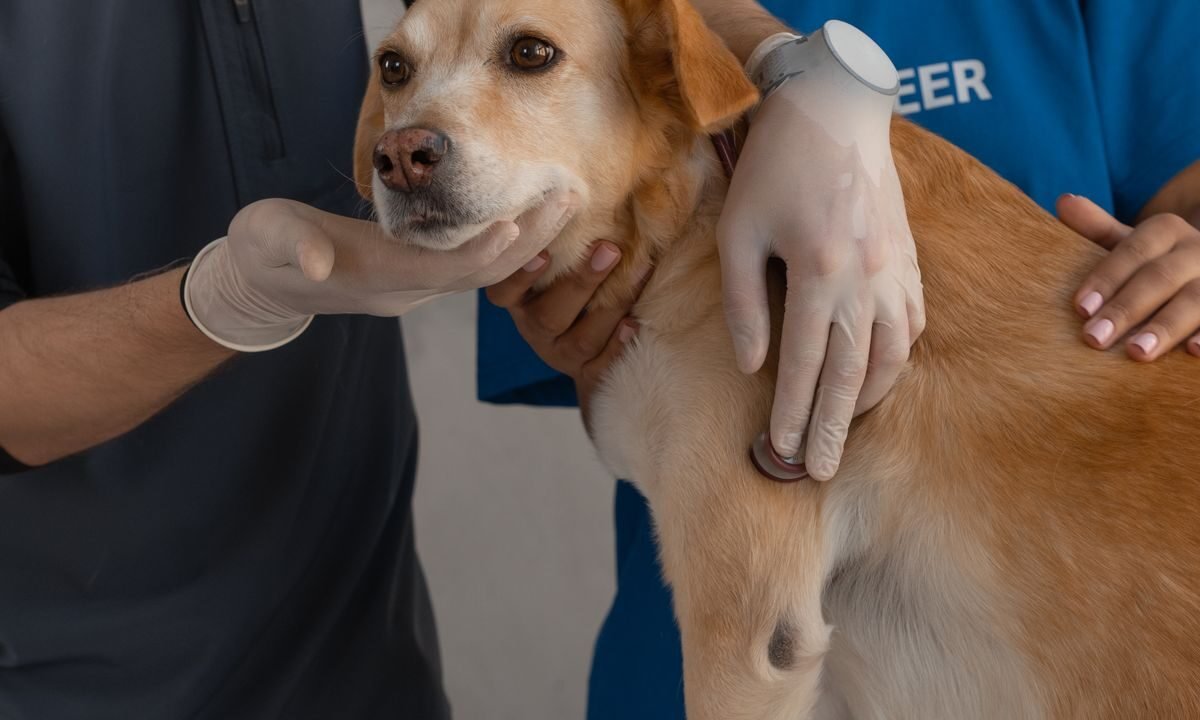
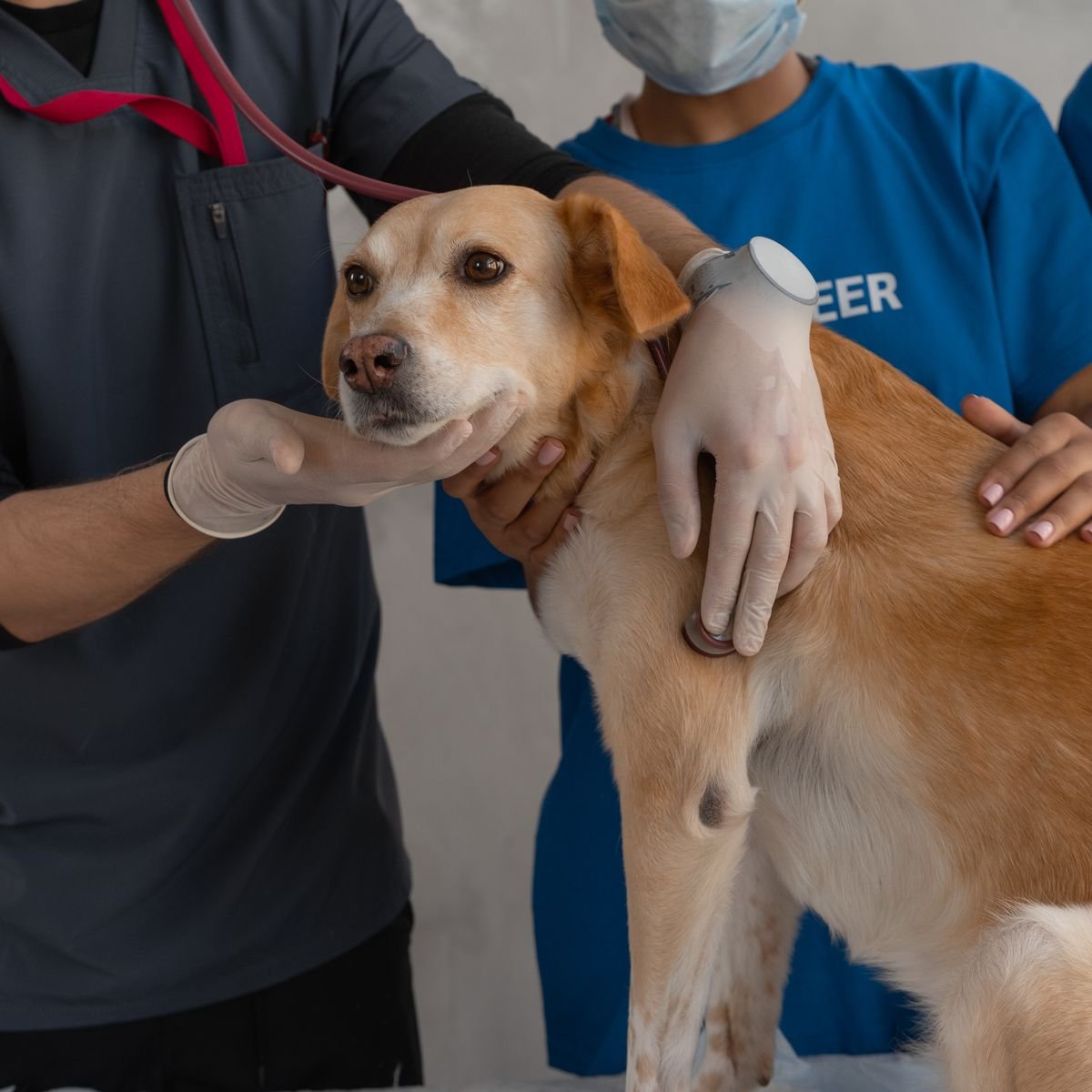
Giving medication at home can become routine, which is exactly when mix-ups happen: the wrong syringe, a repeated dose, medication given to the wrong pet, a tablet crushed when it should not be, or a flavored prescription left where a dog can reach it.
Keep every medicine in its original labeled container
The FDA recommends keeping pet medicines in their original containers with readable labels. This reduces mix-ups and preserves storage and dosing information.
Separate human and animal medications
Store pet drugs away from human medicines and separate prescriptions for different animals. Flavored chewable veterinary medications can be especially attractive to pets and may be eaten in large amounts if left accessible.
Write down every dose
A paper chart, phone note or medication app can prevent double dosing in households where more than one person provides care. Record the time immediately after the dose is given.
Use the correct measuring device
For liquid medicine, use the syringe or device supplied or recommended by the clinic. Kitchen teaspoons are not accurate enough for many veterinary doses.
Do not cut or crush tablets without asking
Some formulations should not be divided, opened or crushed. FDA medication-error guidance recommends following the veterinarian’s directions and using a pill cutter when splitting is specifically instructed.
Know what to do about a missed dose before it happens
Ask the veterinarian when the medicine is prescribed. The right response differs between medications; doubling the next dose can be unsafe.
What if you are unsure whether you already gave it?
Do not automatically repeat the dose. Check your log and call the clinic or pharmacy for instructions. This is especially important for insulin, heart medications, seizure drugs and other medicines where excessive dosing can be serious.
Storage conditions matter
Some medicines require refrigeration, others room temperature, and some need protection from light. Heat, freezing or moisture can reduce effectiveness.
Keep medicine away from children and other pets
A high shelf may not be enough for a climbing cat or determined dog. Use a closed secure cabinet or other protected location.
After a medication error, gather facts quickly
Have the medication name, strength, amount possibly given, time, pet’s weight, and any symptoms ready when you call the veterinarian or animal poison-control service. Do not induce vomiting unless specifically instructed.
Watch for side effects
Ask when the prescription is dispensed which reactions are expected and which require stopping the medicine or seeking urgent care. The FDA’s questions-for-your-vet guide encourages owners to ask about dosing, timing, storage, missed doses and adverse reactions.
Dispose of unused medication safely
Drug take-back programs are a preferred option for many unused medicines. Follow the product and local disposal instructions rather than leaving expired drugs in an accessible bin.
Use one written medication chart for the whole household
If more than one person gives medicine, keep one shared chart showing the pet, medication, dose, time, and initials of the person who gave it. This simple system prevents many accidental double doses.
Check the label every time
Do not rely on bottle shape or memory, especially when several prescriptions look similar. Read the pet’s name, drug name, strength, and instructions before each dose.
Keep dosing tools with the correct medicine
Liquid medications may require different syringe sizes. Store the correct syringe with the bottle so a one-milliliter dose is not accidentally measured with the wrong device.
Travel can create medication mistakes
Time-zone changes, refrigeration, disrupted meals, and unfamiliar caregivers can complicate dosing. Ask your veterinarian how to adjust timing before travel rather than improvising once the trip has started.
Know which medications need monitoring
Some long-term treatments require blood tests, blood pressure checks, glucose monitoring, or other follow-up. Keep those dates with the medication record so refills do not continue indefinitely without the recommended reassessment.
Do not use another pet’s leftover prescription
Even if two pets have similar symptoms, the diagnosis, safe dose, drug interaction risk, and duration may differ. Leftover antibiotics, pain medication, eye drops, or steroids should not be repurposed without veterinary advice.
Medication-specific questions need different answers
A safety rule that is sensible for one medicine may be wrong for another. For example, melatonin for dogs raises product-ingredient questions such as xylitol, while doxycycline for dogs has antibiotic-specific administration and treatment-course issues. Stomach and bowel medicines also need their own context: see the guides to famotidine (Pepcid) for dogs and Imodium (loperamide) for dogs. For parasite treatment, the ivermectin for dogs guide explains why product concentration, purpose and MDR1/ABCB1 sensitivity matter.
Keep pet and human medicines physically separate
Look-alike containers can create dangerous mix-ups. The FDA identifies labeling, packaging and drug-name confusion as important causes of veterinary medication errors. Store pet medicines in a clearly separate location and read the label every time.
Never guess after a missed dose
The safest response depends on the medicine. Some drugs should be given when remembered; others should wait until the next scheduled time. Do not double the next dose unless the prescribing veterinarian specifically tells you to.
Vomiting after medication also needs drug-specific advice
A pet may have absorbed part of a dose before vomiting. Repeating the full amount could cause an overdose, so contact the veterinary team rather than automatically redosing.
Measure liquids with the supplied or recommended device
Kitchen teaspoons are not precise dosing tools. Keep the correct oral syringe or measuring device with the medication and make sure everyone in the household understands the units marked on it.
Do not crush or split tablets automatically
Some tablets should not be altered because of formulation, taste or safety issues. Ask before crushing, opening capsules or splitting a tablet that was not prescribed that way.
Store flavored chewables like food from the pet’s point of view
A dog may eat an entire bottle of flavored medication if it is left within reach. FDA guidance recommends secure storage in the original labeled container, out of reach of animals and children.
Bring the medication container after an error
If too much, the wrong drug or another pet’s medication was given, have the exact container ready when you call. Drug name, strength, formulation and time of administration are more useful than trying to describe the pill from memory.
Use one person to prepare complex dosing when possible
When several medicines are due at different times, having one person prepare a written schedule can reduce confusion. Other caregivers can then record each administered dose rather than relying on verbal handovers.
Check refills for changes in strength or appearance
Generic substitutions, different concentrations or new tablet sizes can change what the correct amount looks like. Compare every refill with the label and call the pharmacy or veterinarian if anything seems different.
Dispose of unused medicines safely
Do not leave old prescriptions where they can be mistaken for current treatment. Follow veterinary, pharmacy or local disposal guidance and use proper sharps containers for needles or syringes when applicable.
Keep the written schedule beside the medicines so every caregiver can check the same source before giving a dose.
The bottom line
Medication safety depends on systems, not memory. Original containers, accurate measuring devices, a dose log, secure storage and a clear missed-dose plan prevent many avoidable errors.
If a medication mistake has already happened, contact your veterinarian or an animal poison-control service for case-specific advice.
0 comments