
Doxycycline for Dogs: Uses, Dosage Guidance, Side Effects and Safety
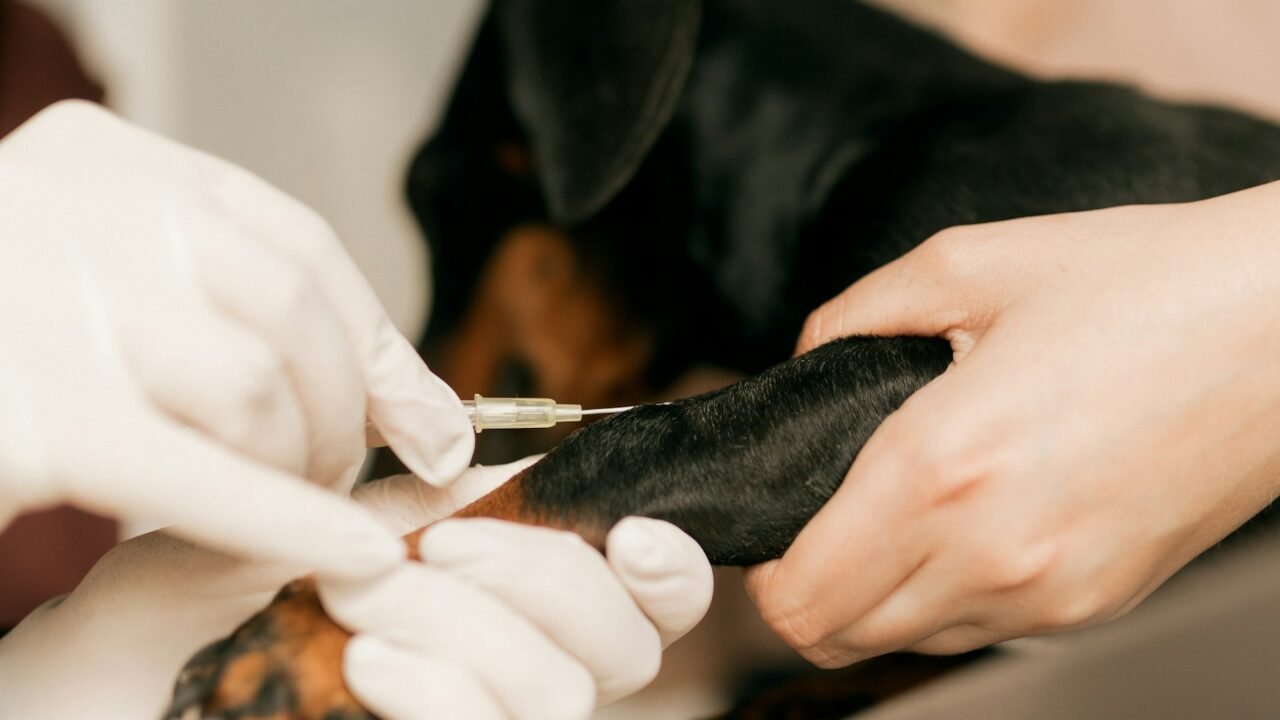
Doxycycline is one of those medicines dog owners often encounter after a tick bite, a positive blood test, a respiratory infection work-up or a heartworm treatment plan. Because it is a familiar antibiotic and human tablets are widely available, it can look straightforward. It is not a medication to dose by guesswork, however. The condition being treated, the dog’s weight, age and health, the formulation, treatment length and other medicines all affect how a veterinarian uses it.
This guide explains what doxycycline does in dogs, why “doxycycline for dogs dosage chart” searches need careful interpretation, how the medicine is commonly given, which side effects deserve attention, and why finishing the prescribed course matters.
What is doxycycline?
Doxycycline belongs to the tetracycline family of antibiotics. It works by interfering with bacterial protein production, which stops susceptible organisms from multiplying. Veterinarians use it against several bacterial and vector-borne infections, but it is not an all-purpose antibiotic and it does not treat viral infections.
According to VCA Animal Hospitals’ veterinary guidance on doxycycline, the medicine is used in small animals for conditions including anaplasmosis, some periodontal infections and as part of certain heartworm treatment protocols. Its use in dogs and other species is often off-label, which means the veterinarian’s instructions take priority over directions intended for people.
Why do dogs receive doxycycline?
The reason for prescribing doxycycline matters because the treatment plan is tied to the suspected organism and the disease process, not simply to the dog’s size. In practice, a veterinarian may consider doxycycline when investigating or treating tick-borne infections such as ehrlichiosis or anaplasmosis, selected respiratory infections, some urinary or reproductive infections, periodontal disease and other susceptible bacterial illnesses.
Doxycycline also has a specific role in many heartworm treatment protocols because it targets Wolbachia, bacteria that live symbiotically within heartworms. Reducing those bacteria can form part of a broader treatment strategy. That use is not the same as treating an ordinary bacterial infection, so copying a dose or treatment length from another dog is inappropriate.
Doxycycline for dogs dosage chart: why weight is only one part of the prescription
Owners frequently search for a doxycycline dosage chart by weight. Weight is important in veterinary prescribing, but a safe prescription also depends on the diagnosis, the organism suspected, severity, treatment goal, kidney and liver status, age, pregnancy status, formulation and treatment duration.
A chart that says “this weight equals this amount” strips away the clinical decision that makes the number meaningful. A 25-pound dog being treated for a tick-borne disease may require a different plan from a 25-pound dog receiving doxycycline within a heartworm protocol. Even where the milligram-per-kilogram range overlaps, frequency and duration can differ.
PetsFilled therefore does not convert a dog’s weight into an individual doxycycline prescription. If your veterinarian has prescribed doxycycline, use the exact strength, amount, interval and number of days written on the label. If anything on the pharmacy label conflicts with what you remember being told, call the clinic before giving the next dose.
Do not use leftover antibiotics
Keeping leftover antibiotics “for next time” is tempting, especially when a dog has had a similar problem before. The symptoms may look the same while the cause is completely different. Coughing, fever, lethargy, diarrhoea, limping or reduced appetite can arise from infections that require different drugs—or from non-infectious disease where an antibiotic offers no benefit.
Using leftover doxycycline also risks giving too little, using an expired or improperly stored product, stopping before the intended course is complete, or delaying testing that would identify the real disease. Antibiotic stewardship matters in veterinary medicine just as it does in human medicine: antibiotics should be used when they are indicated and selected for the likely or confirmed organism.
How doxycycline is given to dogs
Doxycycline may be supplied as tablets, capsules or a liquid. Follow the prescription label carefully. If the dog develops stomach upset when the medicine is given on an empty stomach, the veterinarian may advise giving it with food. However, some foods, supplements and minerals can interfere with absorption, so ask before combining it with calcium, iron or mineral products.
VCA advises that tablets or capsules should not be given dry. Following the pill with food or an appropriate amount of water can help it pass into the stomach rather than sitting in the oesophagus. This is especially important because tetracycline-family medicines can irritate the oesophagus if a tablet becomes lodged.
If pilling is difficult, ask the clinic whether the medication can be compounded into another formulation rather than crushing or opening it without guidance. Some tablets and capsules are not intended to be altered, and changing the formulation can make dosing less accurate.
What if a dose is missed?
A missed dose does not automatically mean the course has failed, but doubling up without instruction is not a good solution. Contact the prescribing clinic or follow the missed-dose directions on the dispensing label. In general, veterinary medication instructions often advise giving a missed dose when remembered unless it is close to the next scheduled dose, but the safest answer is the one attached to your dog’s prescription.
Do not extend, shorten or restart a course on your own. The veterinarian chose the treatment duration for a reason, and different infections require different lengths of therapy.
Common side effects
Gastrointestinal upset is one of the more familiar problems with doxycycline. A dog may develop nausea, vomiting, diarrhoea or a reduced appetite. Mild stomach upset should still be reported if it persists, because a dog that repeatedly vomits medication may not be receiving an effective treatment course and can become dehydrated.
Doxycycline can also increase sensitivity to sunlight. Hairless or lightly pigmented areas may be more vulnerable to sunburn. Serious adverse effects are less common but can include liver problems, unusual bleeding, seizures, behavioural changes or difficulty swallowing. Trouble swallowing after tablets or capsules deserves prompt veterinary attention because oesophageal injury is possible.
When vomiting becomes more than a minor side effect
One episode of mild nausea is different from repeated vomiting, refusing water or becoming weak. If a dog cannot keep medication down, do not repeatedly re-dose because you are unsure how much stayed in the stomach. Call the clinic and explain when the tablet was given, when vomiting occurred and whether the tablet was visible.
Urgent care is appropriate if vomiting is persistent, there is blood in vomit or stool, the dog collapses, becomes markedly lethargic, develops facial swelling, has difficulty breathing or shows signs of severe pain.
Which dogs need extra caution?
Doxycycline is not appropriate for every dog. VCA advises against its use in animals with known allergy to the drug and notes important cautions around pregnancy and nursing. Tetracycline drugs can affect developing teeth and bones, which is why age and reproductive status should be part of the prescribing decision.
Dogs with liver disease, swallowing disorders or a history of severe gastrointestinal reactions may also need closer consideration. Always tell the veterinarian if your dog has chronic disease, is pregnant or nursing, or has previously reacted badly to an antibiotic.
Drug and supplement interactions
Doxycycline can interact with other medicines and with products that contain minerals. Antacids, iron, calcium and certain other supplements may reduce absorption when given too close together. Other prescription medicines can also affect safety or effectiveness.
Bring the full medication list to the appointment rather than mentioning only prescription drugs. Include supplements, vitamins, probiotics, flea and tick products, heartworm preventives and anything purchased online. If your dog is taking several products, ask the clinic to tell you whether they should be separated by a particular number of hours.
Doxycycline and tick-borne disease
Tick-borne illness is one of the main reasons dog owners hear the word doxycycline. A positive screening test does not always mean a dog is clinically ill, and different tests answer different questions. Veterinarians may combine physical examination, blood counts, chemistry results, urinalysis, antibody testing and sometimes PCR testing to decide whether treatment is indicated.
Symptoms can include fever, lethargy, poor appetite, swollen lymph nodes, bruising, joint pain or shifting-leg lameness, but some infected dogs show few obvious signs. This is why buying doxycycline after spotting a tick is not a substitute for veterinary assessment.
Doxycycline in heartworm treatment
Doxycycline may also be prescribed before or during heartworm treatment. In this setting, its target includes Wolbachia bacteria associated with heartworms. The overall heartworm protocol may also include a heartworm preventive, adulticide treatment, exercise restriction and carefully timed rechecks.
Do not substitute doxycycline for a complete heartworm treatment plan. It does not, by itself, make an infected dog safe from the complications of heartworm disease.
Should a dog stop doxycycline as soon as it feels better?
No change to the prescribed course should be made simply because symptoms improve. A dog can look brighter before the infection or treatment target has been fully addressed. Stopping early may allow disease to persist or recur and can complicate later treatment.
Conversely, do not continue indefinitely because there are tablets left. Use exactly the course prescribed and arrange the recommended recheck. Some conditions are monitored with repeat blood work or additional testing rather than symptoms alone.
What to do if the wrong amount was given
If you accidentally give an extra dose, use the wrong tablet strength or discover that two people medicated the dog, call the veterinary clinic or an animal poison service. Have the package ready and know the dog’s approximate weight, tablet strength, amount swallowed, time of ingestion and current symptoms.
Do not induce vomiting unless a veterinary professional instructs you to do so. The response depends on the amount, timing, formulation and dog’s condition.
Questions worth asking the prescribing veterinarian
- What condition are we treating, and how certain is the diagnosis?
- What strength and formulation should I use?
- Should I give it with food?
- Should I follow the tablet with water or food?
- Which supplements or medicines need to be separated from doxycycline?
- How many days should the course last?
- What should I do if my dog vomits after a dose?
- When is a recheck or repeat blood test needed?
Bottom line
Doxycycline is a valuable veterinary antibiotic, but it is not a medicine to select from a generic dosage chart or give from leftovers. The diagnosis determines the treatment plan, and the correct amount is only one part of safe use. How the tablet is given, how long treatment lasts, what else the dog is taking and whether follow-up testing is needed all matter.
If your dog has been prescribed doxycycline, use the product exactly as labelled, complete the course unless the veterinarian changes it, and call if significant vomiting, swallowing difficulty, severe lethargy or other unexpected symptoms develop. A precise veterinary prescription is safer—and more useful—than a weight-only calculation.



0 comments