
Pet First-Aid Kit: What to Keep at Home and What Not to Use Without Veterinary Advice
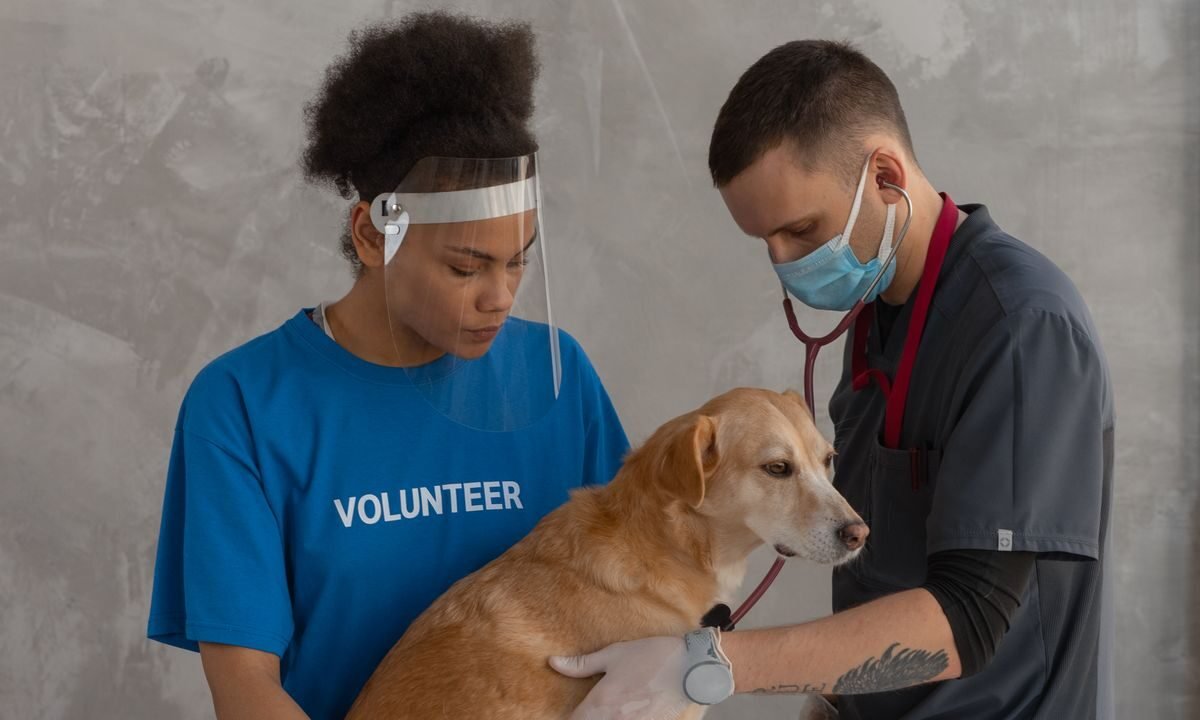
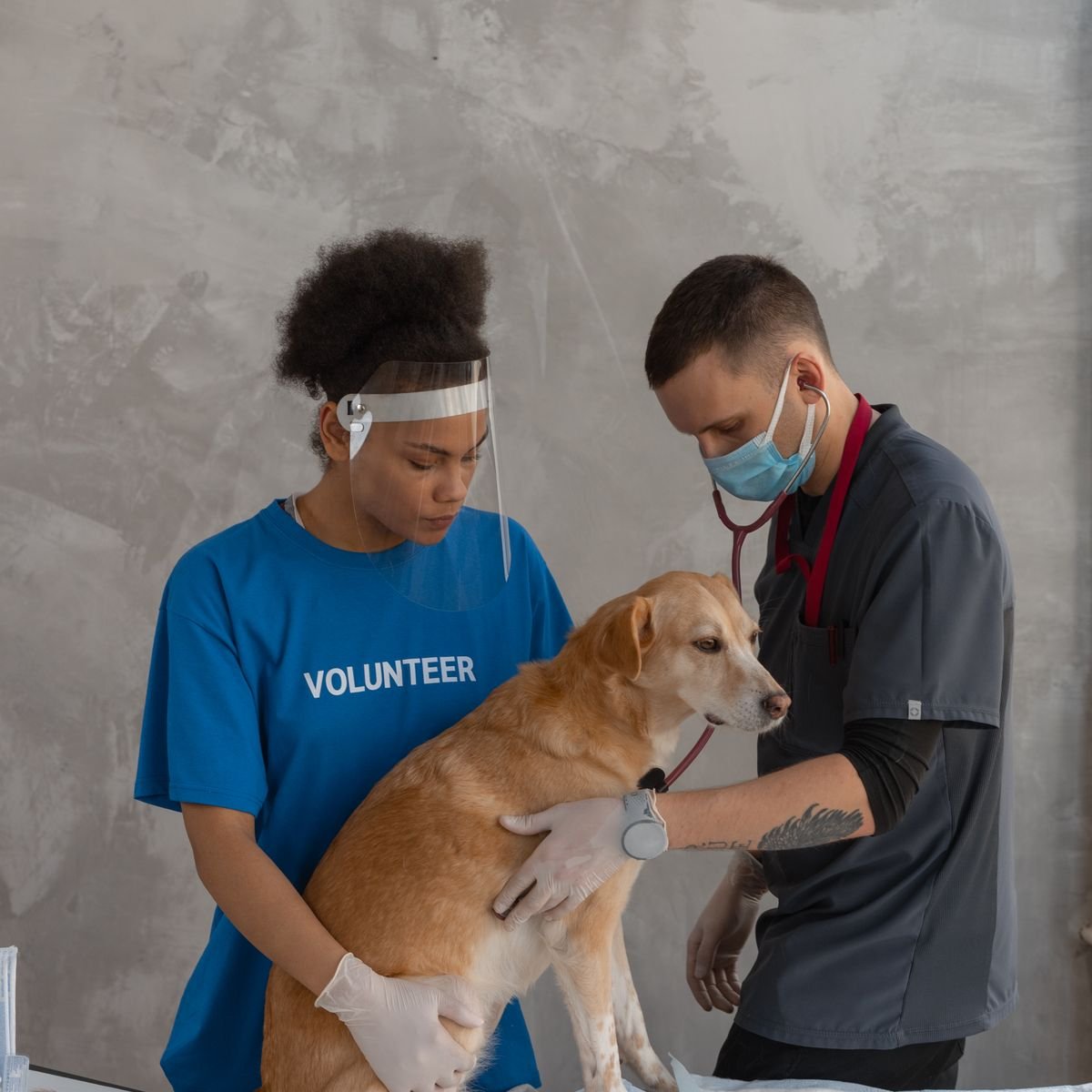
A first-aid kit cannot diagnose a pet or replace an emergency clinic. Its job is narrower: help you protect yourself, control minor contamination or bleeding, stabilize transport, and provide basic supplies while you contact veterinary professionals.
Start with contact information
- Regular veterinarian
- Nearest after-hours emergency clinic
- Animal poison-control contact
- Medication and allergy list
- Insurance information if applicable
Useful basic supplies
- Disposable gloves
- Sterile gauze pads and rolls
- Non-adherent dressings
- Bandage tape
- Self-adherent wrap
- Clean towels
- Blunt-tip bandage scissors
- Tweezers
- Sterile saline
- Digital thermometer if you know how to use it safely
- Spare leash or slip lead for dogs
- Secure carrier for cats and small pets
The AVMA pet first-aid checklist includes many of these items and emphasizes veterinary follow-up for serious emergencies.
Bandages are for temporary protection
Gauze and nonstick pads can cover a wound during transport, but bandages wrapped too tightly can impair circulation. If you are not trained in bandaging, keep temporary wrapping simple and seek veterinary advice.
Saline is a versatile item
Sterile saline can be useful for gently flushing debris from some superficial wounds or eyes while arranging care. Do not use harsh disinfectants in eyes.
Do not make medications the centerpiece of the kit
Human painkillers, anti-diarrheal drugs, antihistamines, topical creams and other medicines can be inappropriate or dangerous depending on species, size and medical condition.
Hydrogen peroxide should not be used casually
Do not induce vomiting unless a veterinarian or animal poison-control professional specifically tells you to do so for that exposure. Some substances cause more injury when vomited, and vomiting can be unsafe in some animals.
Our pet poisoning guide covers immediate steps after a suspected toxin exposure.
A muzzle has important limits
An injured dog may bite from pain, but a muzzle is not appropriate for every situation, including some pets with vomiting or breathing difficulty. Safety equipment should never make breathing harder.
Species-specific supplies matter
Birds may need a small warm transport carrier and towels. Rabbits and rodents need secure low-stress carriers and familiar bedding. Cats benefit from a carrier that is always accessible. Your veterinarian can help tailor the kit to the species you own.
Store the kit with your evacuation supplies
Keep it accessible, dry and clearly labeled. Our pet emergency go-bag guide explains how to combine medical basics with records, food, water, carriers and medications.
Review the kit regularly
Replace expired items, damaged packaging and dried-out products. Check that carriers, collars and harnesses still fit your pets.
Add a simple wound-control section
For minor external bleeding, clean gauze and gentle direct pressure can help during transport. If bleeding is heavy, will not stop, comes from a deep wound, or the pet is weak or pale, seek urgent veterinary care rather than repeatedly removing the dressing to check it.
Protect yourself before helping
Pain and fear can make even a familiar pet bite or scratch. Use towels, carriers, leashes, or other low-stress restraint only when it can be done without worsening breathing or injury. Your safety matters because an injured owner cannot help the pet effectively.
Keep a transport blanket or towel
A clean towel can provide warmth, protect a carrier, help move a small animal, or create gentle support during transport. For large injured dogs, a blanket may help as a temporary stretcher when several people can move the animal safely.
Do not force food or water during serious emergencies
A pet that is vomiting repeatedly, struggling to breathe, very weak, or likely to need sedation may not be safe to feed or give large amounts of water. Call the veterinary clinic for instructions rather than assuming food will help.
Build the kit around your actual pets
A household with a diabetic cat needs different supplies from one with a parrot or rabbit. Ask your veterinarian which species-specific items are worth adding and which products should never be used without professional guidance.
Keep instructions inside the kit
A printed page with emergency contacts, medication information, basic transport notes, and the contents of the kit can help another family member use it correctly if you are not present.
The bottom line
A good pet first-aid kit supports safe action without encouraging risky home treatment. Keep basic wound, cleaning, restraint and transport supplies ready, and use medication or poisoning treatments only with professional instructions.

0 comments