
Pet Carriers: How to Choose the Right Size for Safe Car and Vet Travel
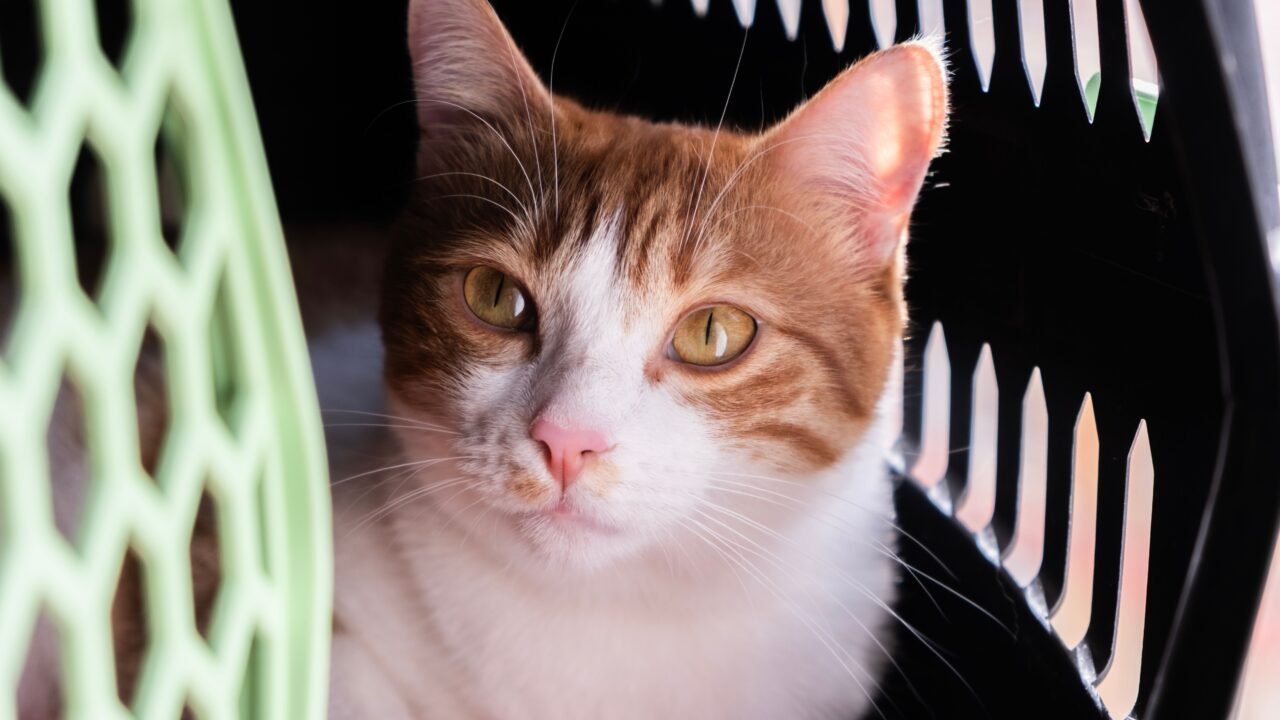
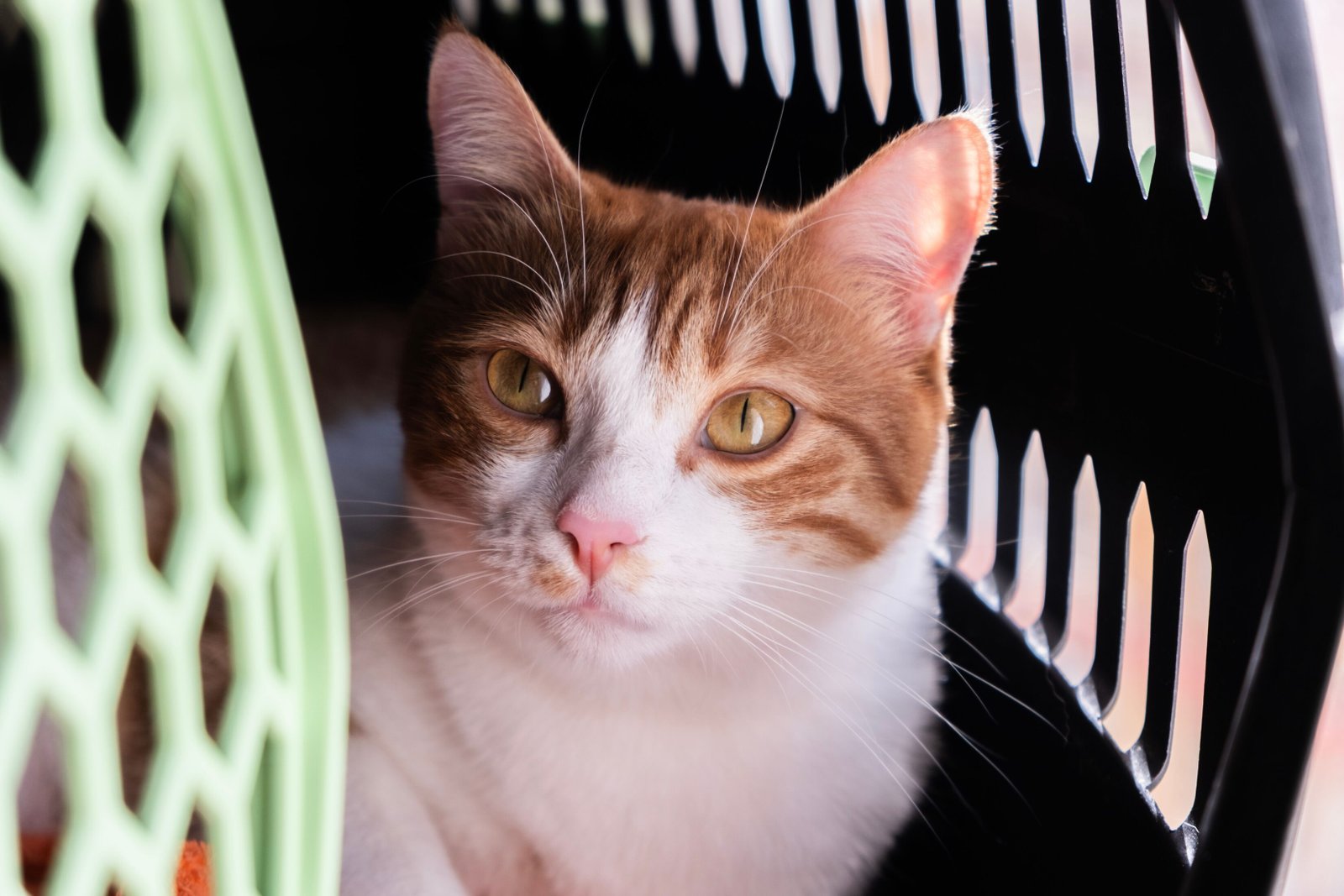
Pet carriers should do two things well: contain the animal securely and reduce avoidable travel risk. The best carrier is not necessarily the biggest or softest one; it should fit your pet, provide ventilation, close reliably and suit the kind of trip you are making.
Choose pet carriers by fit, not label alone
A “small” carrier from one brand can be very different from another. Measure your pet and check internal dimensions before buying rather than choosing by weight range alone.
Your pet needs room to position normally
The ASPCA’s current pet travel guidance recommends a carrier large enough for a pet to stand or sit without touching the top, lie down and turn around.
Ventilation should not create escape gaps
Good airflow matters, but openings should be sized so a frightened animal cannot squeeze its head or paws through. Check seams, zippers, latches and ventilation panels before every trip.
Hard-sided carriers are useful for many car trips
ASPCA guidance favors secure hard-sided ventilated carriers for vehicle transport. They resist crushing better than many collapsible options and are easier to stabilize.
Secure the carrier inside the vehicle
A carrier sliding across the seat during a sudden stop is not secure travel. Position and restrain it according to the carrier and vehicle instructions so it cannot shift freely.
Do not put a loose pet in the front seat
Airbags and sudden movement can make the front passenger area dangerous. Cats should travel contained, and dogs need an appropriate secured travel system rather than roaming around the car.
Acclimate your pet before the appointment
Do not store pet carriers in a closet until the exact moment a frightening vet trip begins. Leave the carrier open in a familiar room, add comfortable bedding and reward voluntary investigation.
For cats, make the carrier part of normal life
Our cat carrier training guide explains how to build positive familiarity before travel day. A cat that sleeps in the carrier at home is starting from a very different emotional place than one that only sees it before injections.
Practice short car rides gradually
If your pet is calm enough, begin with very short rides and gradually increase duration. Our dog car safety guide covers restraint, heat and road-trip planning for dogs.
Use absorbent, safe bedding
Line the carrier with a washable pad or towel that gives traction and can absorb accidents. Avoid loose material that can block ventilation or wrap around the animal.
Check the door before lifting
After closing the carrier, physically check every latch or zipper. Many escapes happen because a door looks closed but has not fully engaged.
Carry from the strongest points
Use the handles and support recommended by the manufacturer. If a carrier flexes under the animal’s weight, support the base rather than allowing it to swing.
Never leave a pet in a parked vehicle
A carrier does not protect an animal from dangerous heat or cold in a parked car. Take the pet with you or arrange another safe option.
Airline travel has separate rules
Airlines can impose carrier dimensions, construction, documentation and route restrictions that differ from car travel. Check the specific airline and destination rules before buying a flight carrier.
Small pets have species-specific transport needs
Hamsters, rabbits, birds and reptiles differ in temperature, ventilation and stress needs. For example, our hamster veterinary transport guide focuses on carrier setup and temperature for small rodents.
Pack emergency information with the carrier
Keep identification, veterinary contacts and necessary medication accessible. Our pet emergency go-bag guide can help you organize supplies before an urgent trip.
Replace damaged pet carriers
Cracked plastic, bent doors, broken zippers and weakened mesh can fail when a frightened pet pushes against them. Repair only when the manufacturer provides a safe replacement part; otherwise replace the carrier.
A good carrier should feel secure before travel day
Good pet carriers fit the animal, ventilate well, close securely and can be stabilized during travel. Acclimate your pet before the trip, inspect the carrier before every use and follow separate rules for air travel or species with special transport needs.



0 comments