
Labrador Food Guide: Puppy Growth, Weight Control and What to Feed
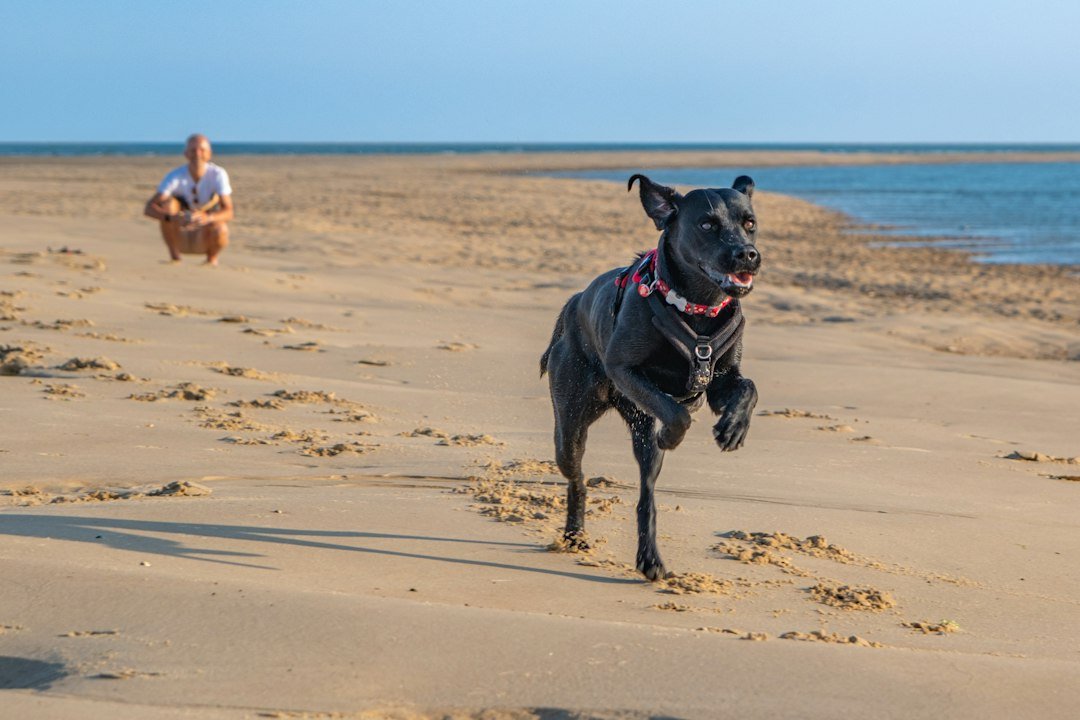
Labrador Retrievers are enthusiastic eaters, active companions and, in many households, extremely persuasive around food. That combination makes portion control just as important as the brand or recipe you choose.
A Labrador does not need a special ingredient simply because it is a Labrador. The goal is a complete-and-balanced diet for the correct life stage, measured portions that maintain a healthy body condition, and adjustments for growth, exercise, age and health.
Choose food by life stage first
The AAFCO guidance on selecting pet food recommends choosing a complete food for the animal’s species, life stage and condition. Puppies need growth nutrition. Healthy adults commonly need adult maintenance food. Seniors may stay on maintenance food or need a different formulation depending on body condition and health.
Do not assume a product labeled “Labrador formula” is automatically superior. Check the nutritional adequacy statement, calories per cup or can, manufacturer transparency and how the dog actually responds.
Labrador puppies need controlled growth
Labrador puppies are expected to become large adult dogs, so growth nutrition matters. Choose a puppy food whose adequacy statement is appropriate for growth of large-size dogs.
The aim is steady, controlled growth—not the fastest possible weight gain. Overfeeding a large-breed puppy does not create a stronger adult. It can encourage excess body weight during a period when the skeleton and joints are still developing.
Measure meals, monitor body condition frequently and avoid adding calcium or mineral supplements unless a veterinarian has prescribed them.
How much should a Labrador eat?
There is no universal number of cups for every Labrador. Two adult Labs at the same body weight can have different calorie needs because of activity, age, neuter status, body composition and metabolism.
Start with the manufacturer’s feeding direction, then adjust from the dog’s weight trend and body condition. Our dog feeding guide explains how to measure portions and account for treats.
Body condition matters more than the scale
WSAVA’s nutrition resources emphasize body-condition scoring as a routine way to assess fat stores. A healthy Labrador should usually have ribs that are easy to feel under a light fat covering, a visible waist from above and an abdominal tuck from the side.
Use our dog body-condition score guide for a visual framework.
A broad chest and substantial bone do not justify an absent waist. Extra body fat can be easy to normalize in a breed that naturally looks solid.
Why Labradors are easy to overfeed
Labradors often have strong food motivation, and that can be useful for training. The downside is that frequent rewards, family handouts and chews can add a surprising number of calories.
Do not interpret food-seeking behavior as proof that the dog is underfed. Some dogs will ask for food immediately after a nutritionally adequate meal.
Protein needs
Healthy Labrador Retrievers need adequate dietary protein, but they do not require extreme protein percentages simply because the breed is athletic.
A complete food formulated for growth or adult maintenance should provide protein appropriate to that life stage. Working, hunting and highly active Labradors may benefit from more energy-dense diets with appropriately balanced protein, but the change should be driven by real workload.
Fat and calorie density
Fat makes food more calorie-dense. That can be useful for a hunting or working Labrador that struggles to maintain weight during a demanding season. It can also make weight gain much easier in a pet Labrador with moderate activity.
Our active-dog feeding guide explains when a performance-style diet is actually useful and when a normal maintenance food is enough.
How often should Labradors be fed?
Puppies generally need several meals per day. Many healthy adults do well with two measured meals.
Dividing the daily ration can help with portion control and gives owners more opportunities to use part of the food for training or enrichment without adding extra calories.
Use food enrichment without overfeeding
Labradors often enjoy working for food. Puzzle feeders, scatter feeding, training exercises and stuffed toys can turn part of the normal ration into mental enrichment.
The important detail is to subtract that food from the daily allowance. Enrichment calories are still calories.
Treats can be the hidden problem
If a Labrador is gaining weight while meals look reasonable, write down everything eaten for several days. Include biscuits, dental chews, training rewards, cheese used for pills, leftovers, peanut butter and food from other household members.
A handful here and a chew there can exceed the calories removed from the main meal.
Should Labradors eat grain-free?
There is no breed-wide reason every Labrador should eat a grain-free diet. Grain-free is an ingredient description, not a measure of nutritional quality.
If a dog has suspected food allergy or chronic gastrointestinal disease, choose a veterinary diagnostic diet based on the medical question rather than simply removing grains.
Food allergies and itchy Labradors
Skin disease can result from many causes, including environmental allergy, fleas, infection and adverse food reactions. Do not diagnose food allergy from itching alone.
A proper elimination-diet trial is more reliable than repeatedly switching among retail “limited ingredient” foods without a plan.
Sensitive digestion
Soft stool, gas and frequent bowel movements can be affected by diet, but there is no one “Labrador stomach” formula. Fat content, digestibility, fiber type, treats, abrupt food changes and disease can all matter.
See our sensitive-stomach dog-food guide for a structured way to evaluate digestive diets.
Wet versus dry food
Both can be appropriate. Dry food is convenient to measure and use in food toys. Wet food adds moisture and can be appealing to some dogs. Mixed feeding works when the total calories are calculated.
Do not assume canned food is “lighter.” Compare calories per serving, because some wet foods are very energy-dense.
Senior Labradors
Older Labradors often become less active, so calorie needs may fall even when appetite remains strong. At the same time, maintaining muscle is important.
Do not cut food aggressively without monitoring muscle condition. A veterinarian can help distinguish excess body fat from age-related muscle loss and can screen for disease when weight changes unexpectedly.
Exercise and feeding work together
Regular exercise supports fitness and weight control, but it is difficult to “outrun” chronic overfeeding. Use activity and measured nutrition together.
Exercise should also match the dog’s age, joint health, conditioning and weather. Growing puppies should not be pushed into adult endurance workloads.
Working and hunting Labradors
A Labrador doing sustained field work may need far more energy than a household companion. Merck’s feeding guidance for working dogs notes that energy needs can rise considerably with workload and that more energy-dense diets are often used for demanding work.
Increase calories according to body condition and season rather than leaving the dog on peak-season portions year-round.
Supplements
A complete diet should provide required vitamins and minerals. Do not routinely add calcium, multivitamins or human bodybuilding products.
Joint supplements are common in Labradors, but they should not distract from the more important basics: healthy body weight, sensible exercise and veterinary assessment of lameness or stiffness.
How to change foods
For a healthy dog, transition gradually over several days unless a veterinarian recommends an immediate change. Increase the new food while decreasing the old food and monitor appetite and stool.
Persistent vomiting, diarrhea, marked appetite loss or lethargy should prompt veterinary advice rather than repeated food switching.
When weight gain needs more than portion reduction
If a Labrador continues gaining weight despite carefully measured intake, check that everyone in the household is following the plan. Then speak with a veterinarian.
Endocrine disease, reduced mobility, medication effects and other health issues can influence weight. A structured weight-loss plan should protect protein and essential nutrients while reducing total calories.
A practical Labrador feeding checklist
- Use a complete food for the correct life stage.
- Use large-breed growth nutrition for Labrador puppies.
- Measure portions rather than filling the bowl by eye.
- Assess body condition regularly.
- Count all treats, chews and enrichment food.
- Use part of the normal ration for training where practical.
- Adjust calories when activity changes.
- Do not add calcium or vitamin supplements routinely.
- Investigate persistent skin or digestive signs rather than endlessly changing foods.
Bottom line
The best feeding plan for a Labrador Retriever is usually straightforward: complete nutrition for the correct life stage, controlled puppy growth, measured adult portions, close attention to body condition and calorie adjustments that reflect actual activity.
Labradors can make excellent use of food in training and enrichment, but enthusiasm for food should not be mistaken for nutritional need. Keep the dog lean, count the extras, and adjust the ration from results rather than from appetite alone.



0 comments