
German Shepherd Food Guide: Growth, Weight and Diet Selection
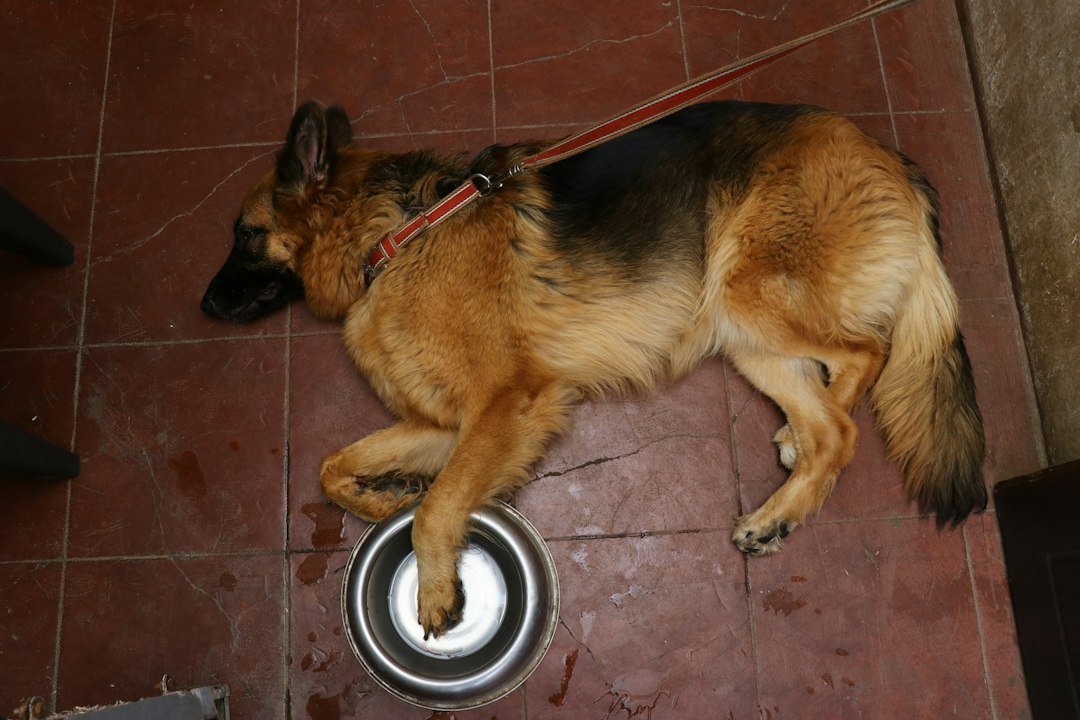
German Shepherd Dogs are large, active dogs, but feeding them well is less about finding a “German Shepherd formula” and more about getting growth, calories and body condition right. Puppies need controlled large-breed growth nutrition; adults need enough energy for their workload without drifting overweight; and some individuals need veterinary help for digestive or pancreatic problems.
German Shepherd puppies need controlled growth
Large-breed puppies should grow steadily rather than as fast as possible. Excess calories and inappropriate mineral balance can increase orthopedic stress during development.
Choose a complete growth diet whose nutritional-adequacy statement indicates it is appropriate for the growth of large-size dogs. Our puppy food labels guide explains how to identify this statement.
Do not add calcium to a complete puppy food
A properly formulated large-breed puppy food already supplies calcium and phosphorus in controlled amounts. Adding calcium powder, bone meal or large amounts of mineral-rich supplements can disrupt that balance. Unless a veterinarian has identified a specific need, more calcium is not safer.
How much should a German Shepherd eat?
There is no reliable universal cup chart. Calorie needs vary with age, sex, body size, neuter status, activity, climate and individual metabolism. Start with the manufacturer’s feeding guide, then adjust based on body weight and condition.
Our dog feeding guide covers general portion control and why bag charts are only starting points.
Use body condition, not appearance alone
A healthy German Shepherd should have ribs that are easy to feel under a light fat covering, a visible waist from above and an abdominal tuck from the side. A heavy coat can hide gradual weight gain, so use your hands as well as your eyes.
Keeping large dogs lean reduces unnecessary load on joints and makes changes in appetite or muscle easier to notice.
Protein needs
Protein supports muscle, enzymes, hormones and tissue repair. Healthy German Shepherds need adequate high-quality protein, but a very high number on the bag is not automatically better. The full diet must still be balanced for the dog’s life stage and calorie needs.
Fat and calorie density
Working, sport and highly active German Shepherds may need a more calorie-dense food than household companions. Increase energy according to actual workload rather than breed reputation.
A less-active adult can become overweight quickly on a performance diet if portions are not adjusted. Conversely, a highly active dog losing weight may need more calories or a denser formula.
Meal frequency and large meals
Puppies need several meals per day. Many healthy adults do well with two measured meals. Splitting the daily ration makes portion control easier and avoids delivering all calories in one large serving.
Gastric dilatation-volvulus awareness
German Shepherds are a deep-chested breed and can be at risk for gastric dilatation-volvulus (bloat), a life-threatening emergency. No feeding routine completely prevents GDV. Discuss risk reduction and preventive gastropexy with your veterinarian, especially around spay/neuter timing or another abdominal procedure.
Rapid abdominal enlargement, unproductive retching, restlessness, drooling, weakness or collapse require emergency veterinary care.
Digestive sensitivity and chronic loose stool
Do not assume every German Shepherd with loose stool simply needs a breed-specific food. Parasites, chronic enteropathy, food-responsive disease and pancreatic disorders can cause similar signs.
Our dog food for sensitive stomach guide explains when digestibility, diet trials and veterinary assessment matter.
Exocrine pancreatic insufficiency
German Shepherds are one of the breeds in which exocrine pancreatic insufficiency (EPI) is well recognized. Dogs with EPI may lose weight despite eating well, produce large volumes of pale or loose stool and develop poor coat or excessive hunger.
The Merck Veterinary Manual explains that EPI management requires pancreatic enzyme replacement with meals and appropriate dietary management. A change of dog-food brand alone does not replace diagnosis and enzyme treatment.
Wet, dry or mixed food?
Any format can work if the total diet is complete and balanced and portions are controlled. Wet food can increase moisture and palatability. Dry food is convenient for weighing and training rewards. Mixed feeding is fine if both portions are counted.
Treats and training
German Shepherds often receive many rewards during obedience, sport or working-dog training. The AAHA nutrition guidelines recommend keeping treats and other extras to 10% or less of daily calories. Reserve part of the measured daily ration for training when possible.
Joint supplements
Do not use supplements as a substitute for keeping the dog lean. Body weight, appropriate exercise, controlled puppy growth and veterinary management of orthopedic disease matter more than adding multiple chews to an already complete diet.
Senior German Shepherds
Older dogs may need fewer calories as activity decreases, but protein needs do not simply disappear with age. Monitor muscle condition as well as body fat. If a senior dog loses weight or muscle despite eating normally, seek veterinary assessment rather than assuming it is normal aging.
When to reconsider the food
Reassess the diet when the dog changes life stage, gains or loses significant weight, begins a new level of work, develops chronic stool changes or receives a medical diagnosis. A food that was suitable at age two may not be the best choice after retirement from sport or the development of kidney, pancreatic or gastrointestinal disease.
Bottom line
Feed a German Shepherd for the dog in front of you: controlled large-breed growth as a puppy, measured calories as an adult, adequate protein, appropriate energy for workload and a consistently lean body condition. Breed-specific packaging is optional; correct nutrition and monitoring are not.



0 comments