
Food Enrichment for Cats: Puzzle Feeders, Scatter Feeding and Foraging Games
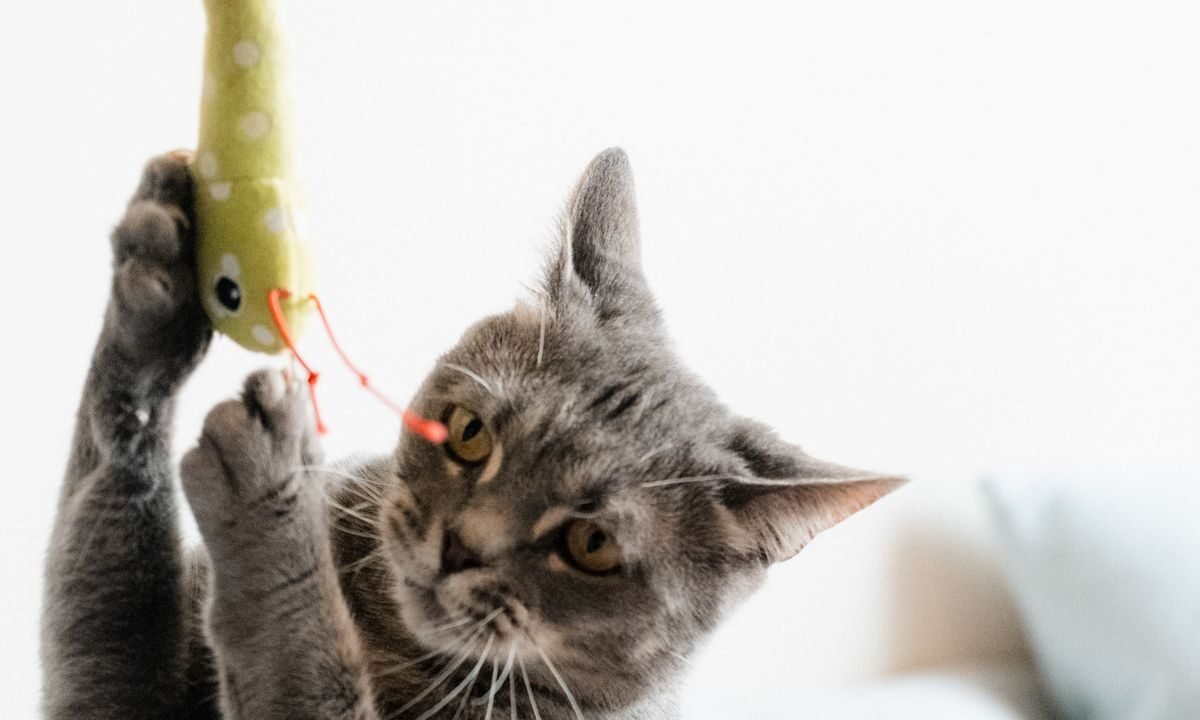
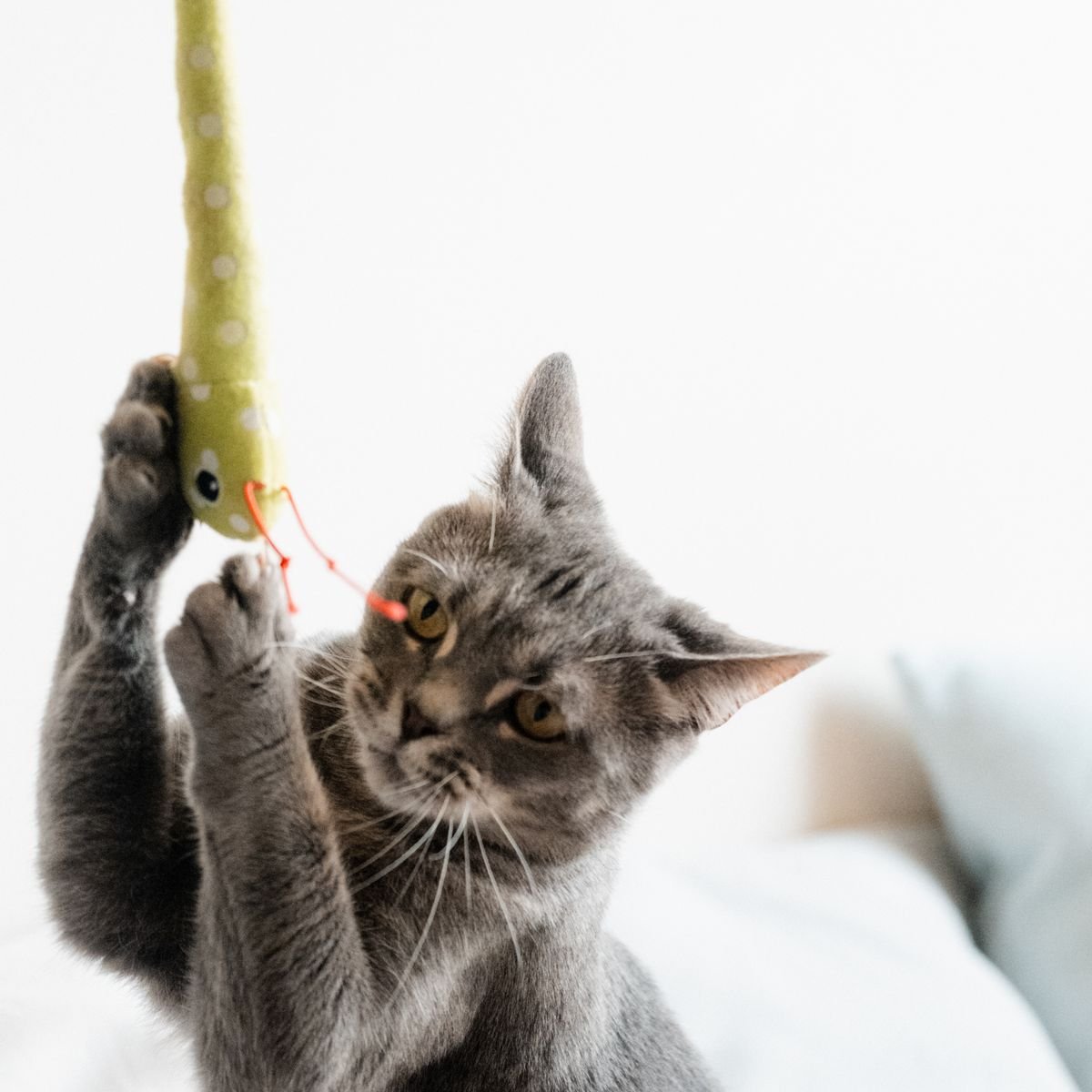
Food enrichment means using part of a cat’s normal daily ration in a way that encourages searching, manipulating, pawing or problem-solving instead of serving every calorie in an open bowl. Done well, it adds behavior to mealtime without adding unnecessary food.
The goal is not to make a cat struggle for nutrition. Start easy, use foods the cat already eats, and make sure the cat can still consume an appropriate daily amount.
Start with the normal ration
Measure the amount of food your cat should receive for the day, then allocate a portion to enrichment. This avoids the common mistake of keeping full meals unchanged and adding puzzle treats on top.
Puzzle feeders can slow and extend meals
Commercial puzzle feeders range from rolling balls to boards, cups and sliding compartments. The best option is not necessarily the hardest one. A puzzle that frustrates the cat or prevents adequate intake is not good enrichment.
The Cat Friendly Homes feeding guidance encourages feeding strategies that reflect natural feline behavior, including hunting and foraging opportunities.
Begin with an easy puzzle
Let the cat see and smell the food. Use large openings or place some food partly exposed. Once the cat understands how the device works, difficulty can increase gradually.
Scatter feeding is the simplest version
For dry food, scatter part of the ration across a clean safe surface or in several small locations rather than one bowl. The cat must walk, sniff and search. Avoid scattering where food can become contaminated or inaccessible.
Hide small portions around one room
Place a few pieces in predictable easy locations at first: beside a scratcher, on a low platform or near a cardboard tunnel. As the cat learns the game, use more varied but still reachable hiding places.
Use cardboard for low-cost DIY enrichment
A clean egg carton, paper cup tray or cardboard box with large safe openings can become a supervised food puzzle. Remove staples, tape loops, string and small pieces that could be swallowed.
Wet food can be enriched too
Wet-food cats do not need to miss out. Use a lick mat designed for cats, shallow puzzle dish, several small plates around a room or a food toy specifically intended for wet diets. Follow food-safety guidance and do not leave wet food sitting out for long periods.
Food enrichment is not the same as making eating difficult
Kittens, senior cats, cats with dental pain, arthritis, neurologic problems or illness may need simpler access. If a cat is losing weight, eating less or abandoning meals, prioritize adequate nutrition and involve a veterinarian.
Senior cats may need low-effort puzzles
A puzzle that requires repeated jumping or strong paw manipulation may not suit a cat with arthritis. Keep devices stable and reachable. Our senior cat care guide covers mobility changes that may affect feeding setup.
Multi-cat households need separate access
One confident cat can solve every puzzle while another watches. Provide separate feeding stations or supervise enrichment so each cat receives its intended portion without competition.
Use food puzzles as one part of enrichment
Foraging does not replace climbing, scratching, hiding, social interaction and play. Our main indoor cat enrichment guide covers the wider environmental picture.
Pair food searching with hunting-style play
A short wand-toy session followed by a small meal or food puzzle can create a satisfying sequence of stalk, chase, catch and eat. Keep intensity appropriate to the cat’s age and health.
Rotate puzzle types gradually
Some cats enjoy novelty; others prefer familiar routines. Keep at least one puzzle the cat understands while introducing another. If every meal suddenly becomes a new challenge, enrichment can turn into frustration.
What if the cat refuses the puzzle?
Make it easier. Place food openly around the device, remove moving parts, or serve a portion in the usual bowl alongside the puzzle. Do not withhold food to force participation.
Watch body condition and total intake
Food enrichment can help slow eating and increase movement, but it is not a weight-loss prescription on its own. Portion size, calorie density, health status and body condition still matter. If weight management is the goal, work with your veterinarian on an appropriate calorie plan.
Food enrichment ideas by difficulty
Easy
- several small bowls in different locations;
- dry food scattered on a clean mat;
- food placed in an open egg carton;
- wet food spread thinly on a suitable lick mat.
Moderate
- rolling feeder with generous openings;
- food hidden in paper cups on their sides;
- small portions placed around a cat tree at reachable levels;
- commercial puzzle board with simple compartments.
Advanced
- multi-step sliding puzzles;
- several hidden feeding stations across a room;
- rotating puzzle types across the week.
Safety checks
Supervise new DIY puzzles. Remove loose string, elastic, staples, plastic fragments and anything that can trap a paw or head. Choose washable materials when wet food is involved and clean reusable feeders regularly.
Match difficulty to the cat, not the product label
A puzzle marketed as “easy” may still frustrate a cat that has never manipulated food. Start with food fully visible and easy to reach, then make only one part harder at a time.
Use success to build confidence
If the cat solves the puzzle quickly, that is not a problem. Repeated success can be enriching. Increase challenge only when the cat continues engaging willingly.
Do not turn every meal into work
Some cats enjoy earning much of their food; others prefer a mixture of puzzle feeding and ordinary meals. A cat recovering from illness, losing weight or under veterinary treatment may need especially simple access.
Watch for frustration signals
Walking away immediately, biting the feeder aggressively, repeatedly pawing without success or vocalising can mean the task is too difficult. Make the food easier to obtain rather than withholding it until the cat “figures it out.”
Separate cats before measuring intake
In a multi-cat home, one cat may solve both feeders and consume both rations. Separate feeding zones let you know who actually ate and reduce competition around puzzles.
Use wet food safely
Wash lick mats and wet-food puzzles after use and follow normal food-safety limits. Do not leave moist food in warm rooms for long periods simply because the cat has not finished the activity.
DIY puzzles should fail safely
Cardboard projects should have holes large enough that the cat cannot trap a paw or head. Remove staples, tape loops, elastic and small plastic pieces. Supervise the first few uses.
Rotate challenge, not nutrition
You can change the feeder while keeping the diet stable. This creates novelty without repeatedly changing food, which can be especially useful for cats with sensitive digestion.
Use foraging to add gentle movement
Several small feeding stations across one room can encourage walking without requiring jumping. For senior or arthritic cats, keep the route level and use stable non-slip surfaces.
Pair enrichment with body-condition monitoring
Puzzle feeding can slow eating, but weight management still depends on total calories. Weigh portions and monitor body condition rather than assuming a puzzle automatically prevents overeating.
Know when a puzzle is no longer appropriate
If the cat develops dental pain, arthritis, neurologic problems or poor appetite, simplify food access immediately and discuss the change with a veterinarian. Enrichment should never make adequate nutrition less reliable.
Fix the internal routine, not just the feeder
Food puzzles work best alongside play, climbing, scratching, rest and social choice. They are one tool in a broader enrichment plan, not a replacement for the rest of the cat’s environment.
Bottom line
Good food enrichment makes a normal meal more behaviorally interesting without making nutrition unreliable. Start easy, use part of the measured daily ration, separate cats that compete, and adjust difficulty to the individual. For cats that seem under-stimulated more generally, see our guide to signs an indoor cat may be bored and our interactive cat toy guide.
0 comments