
Cat Weight Loss: Why It Matters and What Your Vet May Check
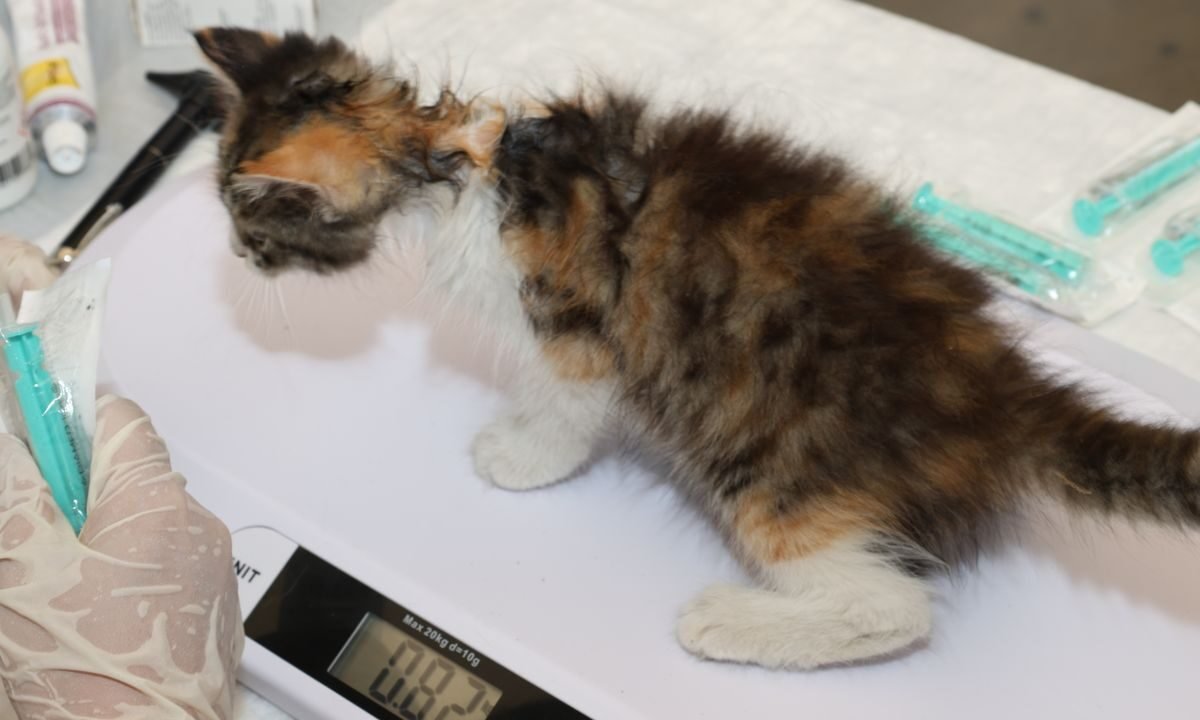
Unplanned weight loss in a cat is worth taking seriously, even when the change seems small. Cats can lose weight because of dental pain, thyroid disease, kidney disease, diabetes, gastrointestinal problems or other conditions, and the first clue may be a looser collar or more prominent spine rather than obvious illness.
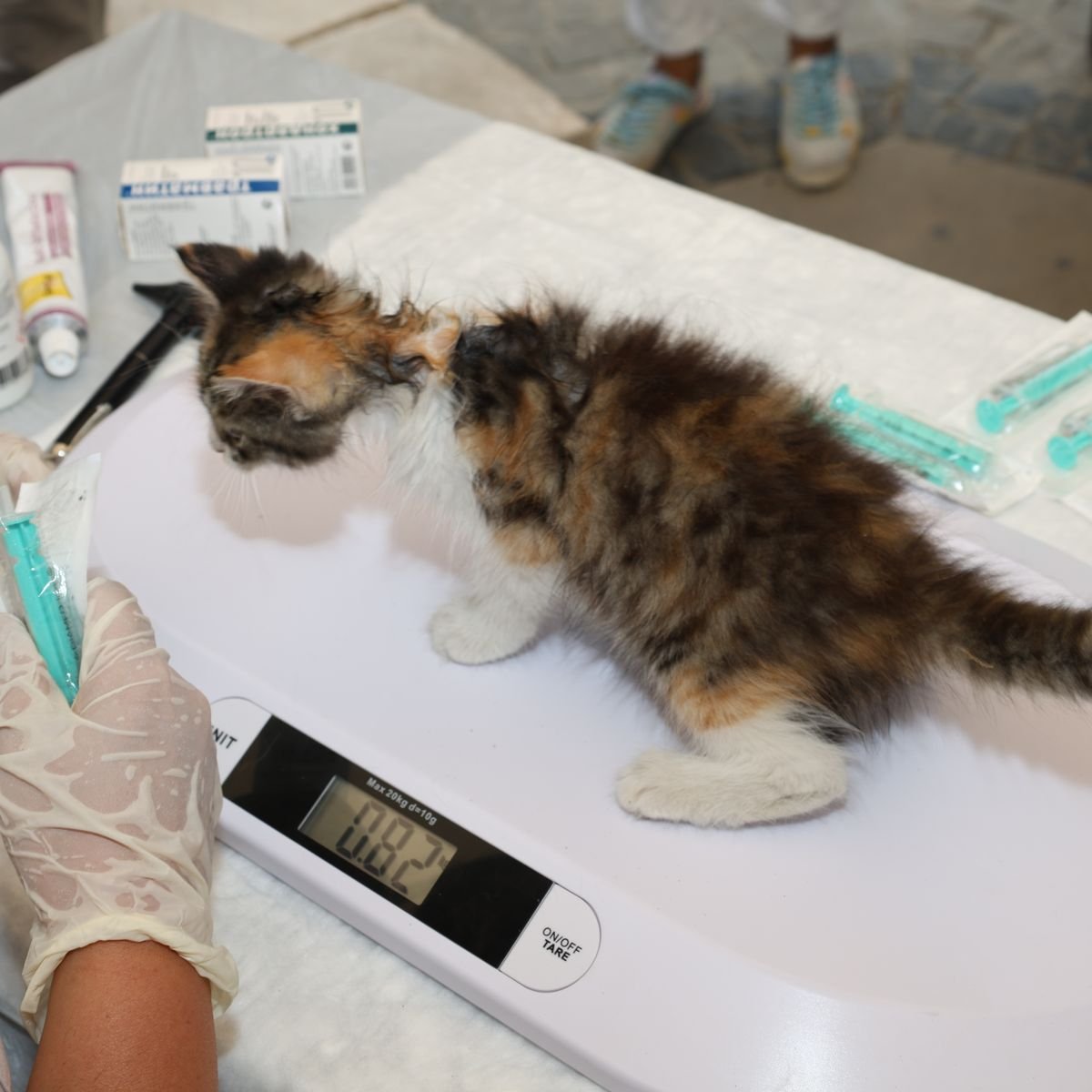
Confirm the trend with actual weights
Use the same scale when possible and record dates. Body condition and muscle condition also matter because an older cat can lose muscle while body fat hides the change.
Appetite helps narrow the possibilities
Weight loss with poor appetite raises different questions from weight loss despite eating well. Dental pain, nausea and many systemic illnesses can reduce intake, while conditions such as hyperthyroidism or diabetes may occur with a normal or increased appetite.
Water and litter-box changes are valuable clues
Tell your veterinarian if the cat is drinking more, producing larger urine clumps, vomiting, having diarrhea or defecating differently. These patterns can guide the initial workup.
Older cats need more than ‘senior food’
Age is not a diagnosis. Kidney disease, hyperthyroidism, dental disease, arthritis and other conditions become more common with age, so unexplained weight loss should not be dismissed as normal aging.
What the veterinary workup may include
Depending on the exam and history, a veterinarian may recommend oral assessment, blood work, urine testing, blood pressure measurement, thyroid testing, fecal testing or imaging. The exact combination depends on the individual cat.
Do not start an aggressive calorie restriction plan on your own
Intentional weight loss in an overweight cat should be gradual and veterinarian-guided. Cats that stop eating or lose weight rapidly can develop serious complications.
What to tell your veterinarian
Bring dated weights if available and note appetite, food amount, water intake, urine clumps, vomiting, stool changes, medications, activity and any change in chewing or swallowing.
Bottom line
Unplanned weight loss is useful medical information, not simply a cosmetic change. Measure it, look for accompanying signs and arrange veterinary assessment to identify the cause.
Veterinary reference: Cornell Feline Health Center — Feeding Your Cat.
Related PetsFilled guide: cat nutrition.
Muscle loss deserves attention alongside body weight
Senior and chronically ill cats can lose muscle over the spine, shoulders and hips even when the scale changes only modestly. Ask your veterinarian to assess both body condition and muscle condition. A cat can carry excess fat and still be losing important lean tissue.
Increased appetite does not rule out disease
Some cats lose weight while appearing unusually hungry. Hyperthyroidism, diabetes and problems with nutrient absorption are among the reasons a veterinarian may investigate this pattern. Record appetite honestly rather than assuming good appetite means good health.
Dental pain can create selective eating
A cat may still consume soft food or lick gravy while avoiding kibble or harder treats. That can conceal a reduction in total calorie intake. Note changes in chewing style, drooling, odor and whether food falls from the mouth.
Use the same weighing method to track trends
Different household scales can vary enough to obscure small changes. Weigh under similar conditions and record the date. The trend over several measurements is more useful than reacting to one isolated number.
Small trends matter more than one dramatic weigh-in
If you can, weigh your cat regularly on the same scale and keep the numbers. A gradual downward trend over several weeks can be clinically useful even if the cat still looks fairly normal. Pair the weight record with notes on appetite, thirst, urination, vomiting and activity.
Body condition and muscle condition are different
AAHA/AAFP recommends evaluating both. An older cat can carry visible fat while losing muscle over the spine, shoulders and hindquarters. That is why the scale alone can miss important change.
Weight loss with increased appetite narrows the questions
Hyperthyroidism and diabetes are examples of diseases that can occur with weight loss despite normal or increased appetite. Gastrointestinal disease can also reduce nutrient absorption.
Tell your veterinarian whether appetite is reduced, unchanged or increased rather than simply saying the cat is “still eating.”
Weight loss with poor appetite suggests a different pattern
Dental pain, nausea, kidney disease, gastrointestinal illness and many systemic diseases can reduce intake. A cat that approaches food but walks away may be hungry yet unable or unwilling to eat normally.
Water and litter-box changes are valuable diagnostic clues
Larger urine clumps, increased drinking, vomiting, diarrhea, constipation or altered stool frequency can help guide the initial workup. Record those changes rather than waiting for the veterinary visit to remember them.
Senior cats deserve closer monitoring
AAHA’s senior-care guidance notes that body and muscle condition can change with aging and disease. Underweight status and muscle loss in older cats should not be dismissed as inevitable aging.
The veterinary workup depends on the pattern
Depending on age, examination findings and history, the veterinarian may recommend blood work, urinalysis, thyroid testing, blood pressure measurement, dental assessment, fecal testing or imaging.
There is no single “cat weight-loss test” that answers every case.
Do not try to reverse unexplained weight loss with treats alone
Extra calories can hide the trend without addressing the reason for it. If disease is causing the loss, diagnosis matters more than simply finding a richer food.
Diet changes should follow the cause
A cat with kidney disease, diabetes, gastrointestinal disease or dental pain may need very different nutritional management. Do not assume every underweight cat needs the same high-calorie product.
When weight loss is urgent
Seek prompt veterinary care if weight loss is accompanied by refusal to eat, repeated vomiting, breathing difficulty, severe weakness, dehydration, collapse or marked pain.
Measure the trend instead of relying on appearance
Long coats can hide substantial change. Weigh the cat on the same scale at similar times where practical and record the date. A gradual downward trend is easier to act on when it is visible in numbers.
Muscle loss and fat loss are not the same thing
AAHA senior-care guidance recommends assessing both body condition and muscle condition because older cats can lose lean tissue even when total body weight changes only modestly.
Weight loss with a big appetite is especially informative
Hyperthyroidism and diabetes are classic examples of diseases that can produce weight loss despite normal or increased appetite. That mismatch is worth reporting exactly rather than saying only that the cat is “getting skinny.”
Weight loss with poor appetite points in a different direction
Dental pain, nausea, kidney disease, gastrointestinal disease and many systemic illnesses can reduce intake. Note whether the cat wants food but cannot eat comfortably or has lost interest altogether.
Do not use supplements to hide the trend
High-calorie gels and rich treats can temporarily raise calorie intake, but they can also complicate the picture. Use them only as part of a veterinary plan when the underlying cause of weight loss is being addressed.
Bring useful evidence to the appointment
Take recent weights, a list of foods and medications, notes on thirst and litter-box changes, and short videos of unusual eating or mobility if relevant. That can make the first consultation more productive.
If several people feed the cat, combine that information before the visit. Hidden treats, second meals or missed meals can make appetite and calorie intake much harder to interpret.
0 comments