
Bird Flu and Cats in the UK: Pet Food Safety and Current Guidance

The original version of this article framed the issue as a broad UK cat-food recall caused by bird flu. Current official UK sources do not support that broad claim. This page has therefore been corrected to focus on what UK pet owners can verify today: avian-influenza exposure risk, raw-food precautions and when to contact a veterinarian.
What current UK guidance says
GOV.UK guidance on bird flu and pets advises owners not to feed pets non-commercial raw poultry, game bird, wildfowl or other wild bird meat. It also notes that some pet foods, chews and treats may contain raw animal material even when that is not obvious from the front of the package.
Why cats are part of the discussion
Cats can become infected with highly pathogenic avian influenza in rare spillover events, particularly after contact with infected birds, contaminated environments or infected raw animal products.
What UK veterinary authorities reported in 2025
UK veterinary authorities documented H5 infection in two cats on a poultry farm in Belgium in March 2025 and stated that the risk to pets in Great Britain remained low. The cats were thought likely to have been exposed through contaminated eggs or water, although the exact route was not confirmed.
Raw pet food needs careful handling for more than one reason
The Food Standards Agency’s 2026 raw pet food guidance also highlights bacterial and antimicrobial-resistance risks. Raw diets therefore require careful hygiene even when bird flu is not the concern.
If your cat eats commercial food
Do not panic because of old social-media recall posts. Check the exact product name, batch number and country-specific recall notice. In the UK, use the Food Standards Agency’s current alerts rather than an old article headline.
If your cat eats raw poultry or wild bird meat
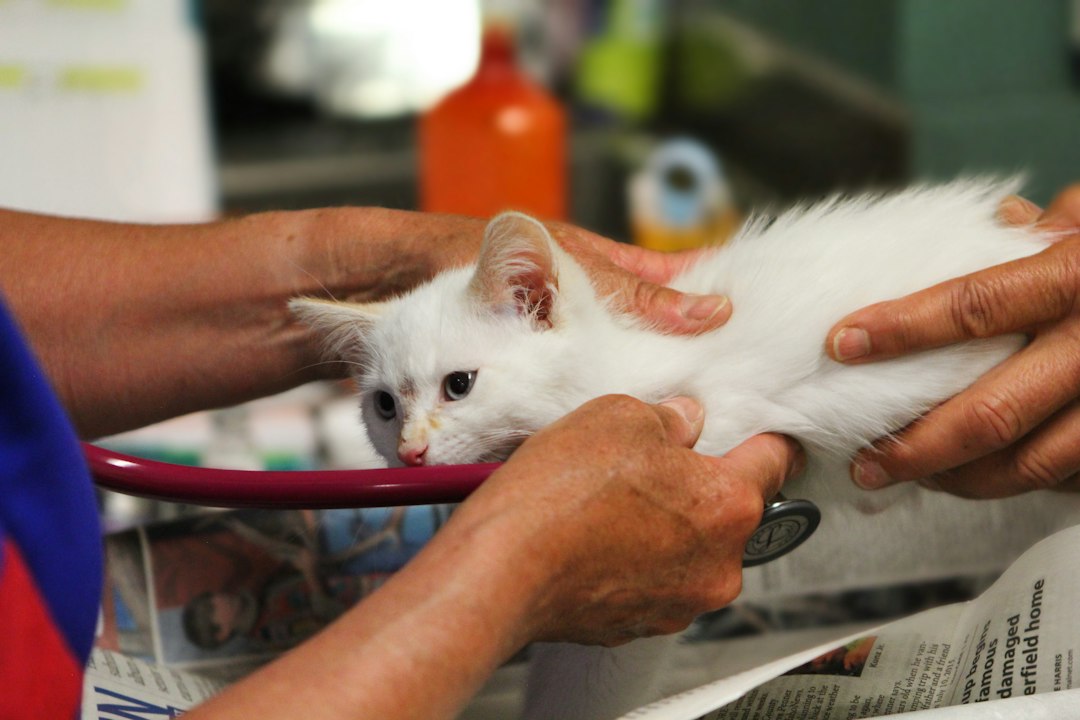
Follow current UK guidance and stop access to non-commercial raw wild bird, game bird or poultry material. If a cat becomes ill after a possible exposure, contact a veterinarian and explain the exposure clearly.
Possible signs that need veterinary attention
Severe lethargy, breathing difficulty, neurological signs such as tremors or seizures, sudden blindness, collapse or unexpected death after plausible exposure should be treated seriously. Do not attempt home treatment for suspected avian influenza.
Keep cats away from sick or dead wild birds
Do not allow a cat to investigate or eat dead wild birds in an area where avian influenza is circulating. Report dead wild birds according to local government guidance.
Separate food-safety questions from nutrition questions
A product being complete and balanced does not answer every microbiological safety question, and a raw diet being “natural” does not make it risk-free.
Current UK advice is to avoid non-commercial raw wild-bird material
Current GOV.UK bird-flu guidance says not to feed pets non-commercial raw poultry meat, game bird, wildfowl or other wild bird meat. That recommendation is about reducing exposure risk, not about blaming every commercial pet food product.
Commercial recalls should be checked by exact product details
A headline about “cat food recalled for bird flu” can circulate long after the affected batch is gone. Check the current UK Food Standards Agency alerts and the manufacturer’s own notice for the exact product, batch and date rather than avoiding an entire brand indefinitely.
Outdoor hunting can create another exposure route
A cat that catches or scavenges wild birds can encounter infected material even if its normal diet is cooked commercial food. In areas with known wild-bird outbreaks, keep cats away from sick or dead birds and follow local government instructions.
Do not handle dead birds casually
Keep pets and children away, and follow official reporting and disposal instructions. Avoid bringing contaminated footwear, gloves or equipment into pet areas.
Bird flu signs are not specific enough for home diagnosis
Respiratory, neurological and general illness signs overlap with many other feline diseases. If a cat becomes sick after a plausible exposure, tell the veterinarian about the bird or raw-food contact so appropriate precautions and testing can be considered.
Raw-food hygiene still matters even without avian influenza
Raw meat can carry bacterial pathogens as well as influenza risk. Wash hands, prevent cross-contamination and clean preparation surfaces carefully if raw products are used.
Cooked commercial diets remain the simpler risk-management option
For most households, a nutritionally complete commercial diet avoids the handling and pathogen-control burden of raw feeding while making batch and recall tracking easier.
Keep the question narrow
The useful question is not “Is all cat food dangerous?” but “Was my exact product or exposure involved in a current alert?” That keeps decisions evidence-based rather than driven by old recall screenshots.
Do not confuse “raw” with one single risk category
Risk depends on species, source, processing and handling. The UK government’s advice specifically targets non-commercial raw poultry, game bird, wildfowl and other wild bird meat in the bird-flu context, while raw-food hygiene also carries separate bacterial risks.
Freeze-dried and raw treats deserve label checking
Some treats may contain raw or minimally processed animal ingredients even when the front label does not make that obvious. Read the ingredient and processing information if bird-flu exposure is a concern.
Keep outdoor cats away from carcasses
Scavenging creates exposure that has nothing to do with the pet’s normal food. In areas with avian-influenza activity, limiting hunting and access to sick or dead birds reduces avoidable risk.
Report the exposure history clearly
If the cat becomes ill, tell the veterinarian about raw poultry, wild-bird contact, recent hunting or any known outbreak in the area. That context can influence infection-control precautions and testing decisions.
Do not use old recall screenshots as current guidance
Social posts often recirculate without dates. Verify whether the product, batch and country are still part of an active notice before changing the cat’s diet.
Food safety and nutritional adequacy are separate questions
A diet can be nutritionally complete yet still require safe handling. Conversely, a food can be microbiologically safe but nutritionally incomplete if used as the sole diet. Check both issues separately.
Clean bowls and food-contact surfaces
Wash bowls regularly and prevent raw-food utensils from contaminating human food-preparation areas. Good hygiene reduces risk even when no avian-influenza alert exists.
Do not panic about every respiratory symptom
Sneezing, coughing or lethargy can have many causes in cats. Bird flu should be considered in the context of plausible exposure, not assumed from symptoms alone.
Household members should follow public-health instructions after a confirmed exposure
If authorities or a veterinarian identify a genuine avian-influenza exposure, follow the current local advice for handling the cat, cleaning the environment and protecting people in the home.
Keep recall decisions specific to country and date
Food alerts can differ between the UK, EU and North America. Check the notice issued for your own market rather than assuming a recall in another country applies to the same product sold locally.
Keep packaging until the food is finished
Batch numbers and best-before dates are often essential when checking a recall. If you decant dry food into a storage container, keep the original bag or photograph the product code clearly.
Do not switch a sick cat’s food abruptly without reason
If the cat has a medical diet and there is no confirmed recall involving that product, an unnecessary sudden change can create new feeding or digestive problems. Verify the alert first and ask the veterinary team if the cat has special nutritional needs.
For broader cat-food evaluation, see our cat food safety and quality guide. For day-to-day nutrition, use our cat nutrition guide.
0 comments