
Brindle Dog Names: Stripe, Color, Nature and Bold Pattern Ideas

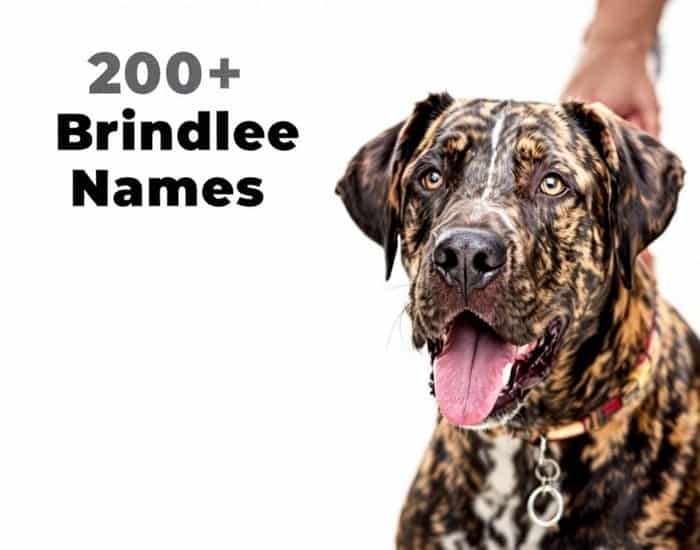
Brindle is a coat pattern, not a dog breed. Dark stripes or streaks appear over a lighter base color in many unrelated breeds and mixed dogs, which makes pattern-inspired naming more useful than assuming every brindle dog has the same personality.
Stripe-inspired names
Tiger, Stripe, Tigger, Ripple, Streak, Dash, Bandit, Barcode, Zigzag, Ribbons, Tracks, Racer
Warm color names
Brandy, Copper, Amber, Rusty, Sienna, Cocoa, Mocha, Toffee, Maple, Chestnut, Honey, Tawny
Dark-pattern names
Shadow, Onyx, Ember, Smoke, Ash, Raven, Ink, Pepper, Slate, Coal, Storm, Sable
Woodgrain and earth names
Walnut, Cedar, Oak, Birch, Bark, Timber, Canyon, Mesa, Flint, Clay, Stone, Ridge
Wild-animal-inspired names
Tiger, Lynx, Hyena, Hawk, Falcon, Puma, Leopard, Fox, Wolf, Bear, Kestrel, Ocelot
Bold short names
Knox, Jax, Rex, Ace, Zed, Kai, Finn, Dash, Duke, Thor, Max, Rocco
Funny pattern names
Swirl, Toast, Zebra, Marble, Latte, Camo, Scribble, Smudge, Bacon, Waffle, Churro, Pretzel
Brindle does not predict temperament
Coat color and pattern should not be used to infer aggression, trainability or sociability. If your dog is a breed commonly seen in brindle, research the breed separately and evaluate the individual animal.
The AKC breed directory is useful for separating breed characteristics from coat-color assumptions.
Let the name outlast the puppy coat
Some puppy coats change in intensity as the dog matures. A name like Tiger can still work, but choose it because you enjoy it rather than because you expect the exact pattern to remain unchanged.
What brindle actually describes
Brindle is a coat pattern, not a breed. It usually appears as darker striping over a lighter base color, although the contrast can be subtle or dramatic. Dogs from many breed backgrounds can be brindle, so the pattern should not be used to guess temperament or breed identity by itself.
If you are unsure what breed a dog is, coat color alone is poor evidence. The AKC breed directory is useful for checking which recognized breeds may include brindle among their accepted or observed colors, but mixed-breed dogs can show the pattern too.
Stripe-inspired names
Tiger, Stripe, Tigger, Bandit, Zorro, Dash, Streak, Ripple, Ziggy, Chevron, Racer and Barcode are direct pattern references. Some are playful; others sound more neutral. A heavily striped dog may make Tiger feel obvious, while a softly brindled dog may suit Ripple or Shadow better.
Warm brown and red brindle names
Copper, Rusty, Ember, Brandy, Maple, Cocoa, Mocha, Toffee, Chestnut, Hazel, Sienna, Auburn, Cinnamon and Cedar work well when the coat has red or brown undertones. These names are color-inspired rather than breed-specific.
Dark brindle names
Shadow, Onyx, Slate, Sable, Smoke, Coal, Raven, Ash, Graphite, Storm and Night can suit dogs whose striping reads very dark. Reverse brindle dogs can appear almost black at first glance because the dark areas dominate.
Woodgrain and earth-inspired ideas
Brindle patterns often resemble woodgrain, bark or layered stone. Cedar, Oak, Maple, Walnut, Barkley, Flint, Canyon, Mesa, Terra, Ridge and Timber draw from that visual texture without pretending the coat is identical to any one material.
Funny contrast names
Spot, Snowball, Vanilla, Marshmallow, Zebra, Tiny and Plain can be funny precisely because they do not match the coat. Contrast names work best when the joke remains kind and easy to use after the novelty fades.
Names by personality, not pattern
If the coat does not inspire you, ignore it. A brindle dog who loves water might be River; a calm dog might be Mellow; an energetic dog could be Rocket. Appearance is only one naming route.
Brindle does not mean “aggressive”
Because brindle is seen in some muscular breeds and mixes, people sometimes attach behavior stereotypes to the pattern. That is not scientifically useful. Coat pattern does not determine sociability, trainability or aggression. Judge the individual dog’s behavior and history instead.
Breed labels can be especially unreliable
Broad “pit bull” labels are often applied to visually similar dogs with different ancestry. Our pit bull terminology guide explains why appearance-based labeling can be imprecise. If you already know your dog’s breed, use that information; if not, avoid overclaiming from stripes and body shape.
Short names for training
Tig, Dash, Ash, Rue, Kai, Max, Finn, Pip, Rex, Bea and Scout are compact options if you prefer a simple call name. Longer color names can be shortened too: Cinnamon → Cinna, Chestnut → Chess, Graphite → Graph or G.
Check how the coat may change
Puppy coats can change in shade and contrast as adult hair grows in. A name based on a current color is still fine, but choose it because you like the sound, not because the exact pattern must remain unchanged forever.
Quick brindle shortlist
Pattern: Tiger, Stripe, Ripple, Dash, Ziggy. Warm coat: Copper, Ember, Maple, Cocoa, Cedar. Dark coat: Shadow, Onyx, Slate, Smoke, Raven. Outdoorsy: Ridge, Canyon, Timber, Flint, River. Playful: Tigger, Bandit, Zebra, Spot, Barkley.
Look closely at the pattern before naming from it
Not every brindle coat looks the same. Some dogs show bold black striping on a red or fawn background. Others have such dense dark striping that the lighter base is difficult to see. There are also dogs whose markings appear patchy rather than evenly striped. That variety is why a name such as Tiger, Smoke, Ripple or Copper can all make sense on different brindle dogs.
Use your own dog’s pattern rather than an internet stereotype of what brindle “should” look like. A soft gray brindle may inspire Slate; a warm red brindle may suit Ember; a high-contrast coat may make Zebra or Barcode amusing.
Pattern names that are not overused
Ripple, Grain, Weave, Chevron, Marble, Camo, Riddle, Streak, Dapple, Dash, Swirl, Lattice and Timber give you pattern or texture ideas beyond Tiger and Stripe. Some are more literal than others, but all work because they describe visual structure rather than behavior.
Names that still fit if the coat changes
Puppies can change in shade, density and contrast as they mature. A name based on a broad theme—Copper, Cedar, Shadow, Ember—is often more durable than one based on a tiny marking that may become less obvious. That does not mean specific names are wrong; it simply gives you a useful test before committing.
Do not confuse coat pattern with breed
Brindle occurs across multiple breeds and mixes. If you do not know your dog’s ancestry, avoid using the pattern as proof that the dog is a Boxer, pit bull-type dog, Dutch Shepherd or another breed. Naming can be fun without turning visual guesswork into a factual claim.
Name the dog, not only the coat
Brindle may be what first catches your eye, but the dog will become much more than a stripe pattern. If two finalists are equally good, choose the one you enjoy saying regardless of color. That gives the name a better chance of still feeling right years later, even if the coat changes or the visual novelty becomes less important.
Let personality break the tie
If two coat-inspired names both work, spend a little more time with the dog before deciding. A playful, quiet, watchful or adventurous individual may make one option feel more natural without relying on breed or color stereotypes.
For muscular brindle dogs often labeled broadly as pit bulls, our pit bull terminology guide explains the breed-label problem. For more name ideas, see our Pit Bull names.


0 comments