
Funny Sheep Names: Puns, Food Names and Flock-Friendly Ideas
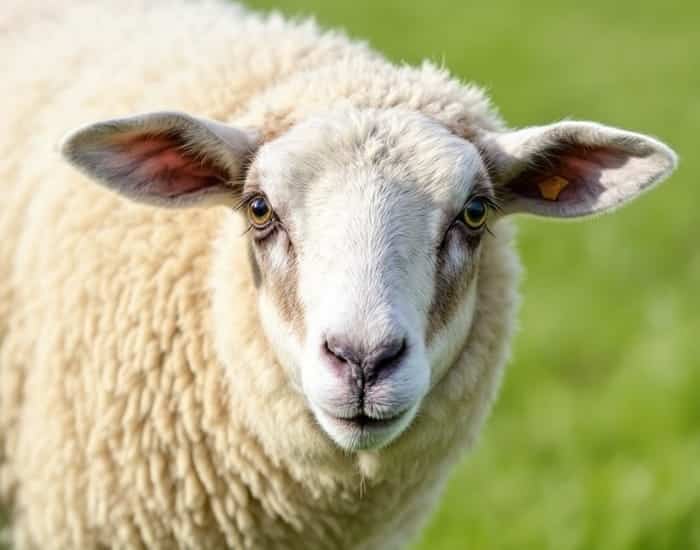
A good sheep name can be funny without needing an elaborate backstory. The best choice is usually short enough to say easily and distinctive enough that people caring for the flock can tell animals apart.

Sheep pun names
- Wooliam
- Ewe-nice
- Ewe Grant
- Fleece Witherspoon
- Woolly Nelson
- Baabara
- Lamb Chop
- Shearlock
- Woolverine
- Ewegene
Food-inspired names
- Muffin
- Biscuit
- Marshmallow
- Oatmeal
- Truffle
- Peaches
- Toffee
- Popcorn
- Noodle
- Waffle
Names for fluffy sheep
- Cloud
- Puff
- Cotton
- Fleece
- Snowball
- Pom-Pom
- Flurry
- Blanket
- Fuzz
- Velvet
Pair and group names
- Salt & Pepper
- Mac & Cheese
- Tea & Biscuit
- Cloud & Storm
- Bonnie & Clyde
- Peanut & Butter
How to choose names for a flock
Avoid several names that sound almost identical if multiple people handle the animals. Color, markings, ear-tag number, age or temperament can inspire names, but permanent identification should never rely on a nickname alone.
Classic sheep names
Simple names are often easiest to use in a working flock: Daisy, Rosie, Molly, Annie, Bonnie, Meg, Nell, Poppy, Pearl, Hazel, Ivy and Mabel. They are short enough to call and different enough to reduce confusion.
Weather-inspired names
Storm, Misty, Frost, Sunny, Rain, Breeze, Thunder, Cloud, Hail, Skye, Aurora and Drift work especially well for sheep with distinctive white, gray or dark markings.
Plant and flower names
Clover, Fern, Thistle, Rose, Heather, Sage, Moss, Dandelion, Bluebell, Ivy, Daisy and Poppy suit pasture animals and can be organized into a consistent flock theme.
Tea-time names
Scone, Biscuit, Crumpet, Muffin, Toffee, Custard, Treacle, Honey, Cocoa, Latte, Chai and Jam make easy humorous names without relying on complicated puns.
Celebrity-style sheep puns
Wool Smith, Lady Baabaa, Ewe Jackman, Fleece Witherspoon, Woolly Nelson, Meryl Sheep, Lamb Hanks, Baabrad Pitt and Ewe McGregor can be fun for hobby flocks where memorable names matter more than formality.
Names for black sheep
Midnight, Coal, Pepper, Raven, Onyx, Shadow, Ink, Licorice, Soot and Eclipse can reflect coat color without making identification depend on color alone.
Names for white sheep
Snow, Pearl, Cotton, Cream, Ivory, Marshmallow, Chalk, Moon, Vanilla and Frost are obvious choices, but use ear tags or another permanent system when several flock members look alike.
Names for spotted or patchy sheep
Patch, Speckle, Domino, Freckles, Marble, Dotty, Cookie, Patches, Mosaic and Spot can match markings that help handlers distinguish individuals.
Names for confident sheep
Boss, Captain, Queenie, Duke, Rocket, Scout, Chief, Rebel, Hero and Major suit animals that are consistently first to investigate food, gates or people.
Names for quiet sheep
Whisper, Willow, Dreamer, Dusk, Gentle, Breeze, Mellow, Dove, Softie and Hush fit a calmer personality, though behavior can change with age or flock dynamics.
Twin names
Peas & Carrots, Honey & Oat, Stars & Moon, Socks & Shoes, Sugar & Spice, Baa & Humbug, Salt & Pepper, Chip & Dip and Tea & Toast create pairs that are easy for visitors to remember.
Triplet name themes
Snap, Crackle & Pop; Huey, Dewey & Louie; Sage, Rosemary & Thyme; Cloud, Rain & Storm; or Biscuit, Muffin & Scone can work for lambs born together.
Names based on ear-tag numbers
Handlers sometimes turn a number into a nickname—Seven, Lucky, Twenty, Double-O or Ninety-Nine—while keeping the official tag as the real identification record.
Why permanent identification still matters
Names are useful for handling and observation, but they should not replace legal or husbandry identification systems. Tags, records and breeding information need to remain accurate even when the flock uses playful nicknames.
Avoid names that are too similar
Molly, Polly and Dolly may sound charming together but can be confusing when several people care for the flock. Distinct first sounds are easier to remember and call.
Let the sheep earn the name
For a new lamb, waiting a few days can reveal markings, habits or temperament that produce a better name than choosing one before the animal has shown any individuality.
Keep names easy for everyone on the farm
If children, farm staff or veterinary teams will use the names, simple spelling and pronunciation helps. A clever pun loses value if nobody remembers which sheep it belongs to.
Use themes without making records harder
A flower or food theme can make a flock enjoyable to name, but keep official records organized by tag number or another reliable identifier so similar theme names do not create mistakes.
Names inspired by pasture life
Meadow, Gate, Clover, Haystack, Barnaby, Paddock, Fence, Bramble, Hilltop and Creek can fit a farm setting without relying on coat color or breed.
Names inspired by wool and textiles
Tweed, Merino, Felt, Yarn, Knitty, Cashmere, Bobbin, Loom, Stitch, Flannel and Fleece are easy sheep-themed choices that visitors tend to remember.
Short names are useful in daily handling
One- or two-syllable names are easier to call across a yard and less likely to be shortened inconsistently by different handlers.
Avoid duplicating human names used on the farm
If a worker, child or neighbor already shares the name, routine instructions can become confusing. Distinct naming helps during veterinary care, transport and recordkeeping.
Names can reflect behavior without becoming labels
A bold lamb might earn Scout or Rocket, but behavior changes over time. A funny nickname should not replace objective notes about health, temperament or breeding history.
Breeding flocks need stronger records than pet flocks
Where ancestry matters, keep sire, dam, birth date and tag information separate from the casual name. Nicknames are for convenience; records are for accuracy.
Rescue sheep may arrive with names already
If an animal already responds to a familiar name, keeping it may reduce unnecessary change. Renaming is optional, not required to make the sheep part of a new home.
Use naming themes carefully in large groups
Ten food names may be fun, but if several sound similar they can become harder to track. A theme should improve memory, not make records harder.
Let children suggest names, then simplify if needed
Children often create elaborate names that are memorable but impractical. Keeping the spirit of the idea while shortening the everyday call name works well.
Funny names can still be respectful
A joke should be easy to use around veterinary staff, visitors and family. The best funny names are playful without becoming offensive or difficult to explain.
Choose names that work over the sheep’s whole life
A lamb nickname may feel perfect at three weeks old but awkward for a mature breeding ewe or ram. If the animal will stay long-term, choose something the household will still enjoy using years later.
Keep emergency records independent of nicknames
When veterinary treatment, transport or ownership records matter, the ear tag or official identifier should always be recorded alongside the casual name.
Use a name plus an identifier when several sheep look alike
For example, “Daisy 42” preserves the friendly nickname while keeping the official tag visible in conversation and records. That small habit reduces mistakes during dosing, breeding or veterinary treatment.
Whatever name you choose, keep the official ear tag or permanent identifier in every health, breeding and transport record so a playful nickname never creates a care mistake.
A memorable name is useful, but accurate flock records matter more whenever health, breeding or ownership decisions are involved.
Use the fun name socially, but keep permanent identification and records precise.
Keep names memorable and records precise.
Keep records exact.
Need more pet-name ideas?
Browse our food-inspired dog names for additional themes that can work across species.


0 comments