
Barnacle Goose (Branta leucopsis): Migration, Identification and the Medieval Myth
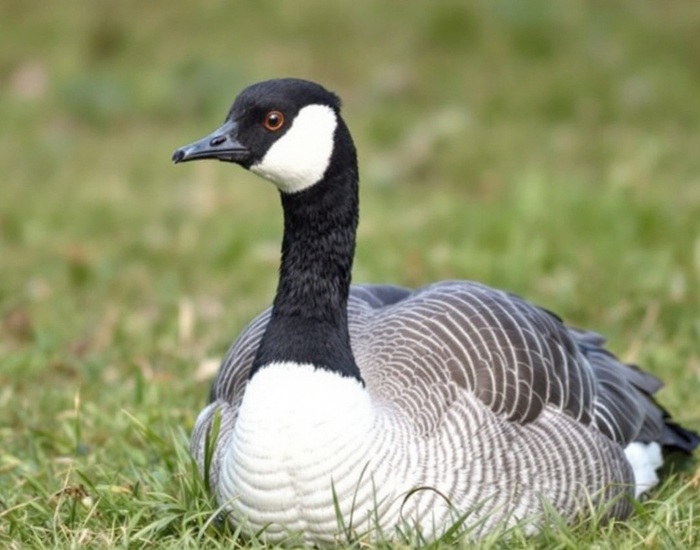
The Barnacle Goose (Branta leucopsis) is a small, sharply patterned goose with a black neck, white face and silvery-grey back. Wild populations breed in the Arctic and migrate south to spend winter around coastal wetlands and grasslands.

What to look for
The RSPB highlights the white face, black head and neck, and silvery-grey body as the main identification features. The bird is smaller and more compact than many familiar grey geese.
Where wild birds spend the year
Wild Barnacle Geese breed at high northern latitudes, including Greenland and Svalbard populations, then move south to wintering areas around Britain, Ireland and continental Europe. Large flocks can gather on coastal marshes and feeding fields.
Why the old myth arose
Medieval Europeans saw Barnacle Geese in winter but did not know where they bred. That gap helped produce the bizarre belief that the birds developed from marine barnacles or driftwood. A historical review of the legend in the journal Isis explains how the story persisted while Arctic breeding grounds remained poorly known.
The bird and the crustacean do not share a life cycle
Modern ornithology makes the distinction simple: Barnacle Geese hatch from eggs like other geese. Goose barnacles are crustaceans. The similarity in names reflects history and folklore, not biology.
What do Barnacle Geese eat?
They graze on grasses and other vegetation, especially on coastal pastures and marshes. Winter flocks can feed intensively during daylight before returning to safer roosting areas.
Why flocks matter
Large groups improve collective vigilance and make the birds conspicuous during migration and winter. Flock size alone should not be used to infer abundance trends across the entire species; conservation assessment depends on population-specific monitoring.
Watching responsibly
Keep dogs under control around feeding and roosting flocks so birds are not repeatedly forced to fly and waste energy. If you enjoy goose behavior, our Greylag Goose guide covers a larger species with a very different relationship to domestication.
0 comments