
How Often Should You Groom a Dog? A Coat-Type Schedule That Actually Helps
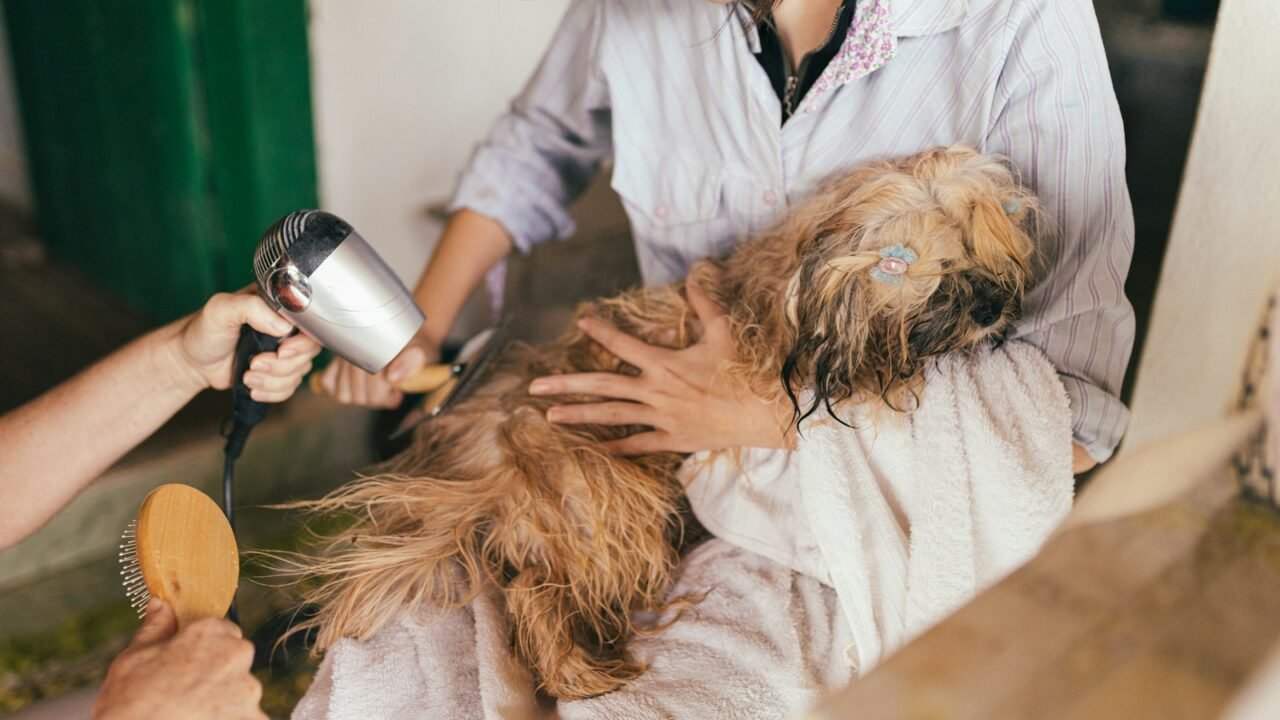
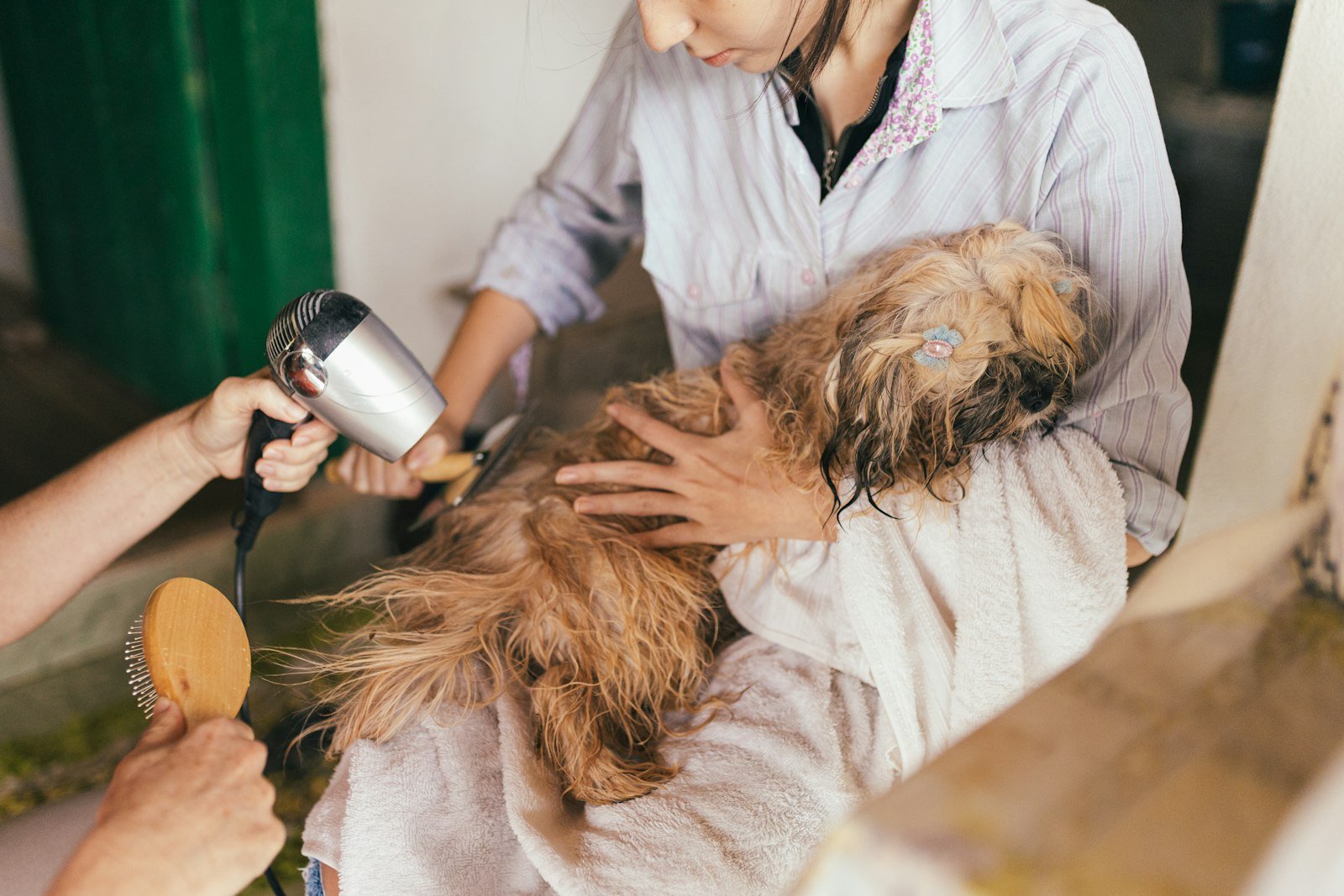
There is no single grooming schedule that fits every dog. A smooth-coated dog that spends most of the week indoors does not need the same brushing routine as a long-haired dog that tangles behind the ears after every walk. The useful way to plan grooming is to separate the jobs—brushing, bathing, nails, ears, coat trimming and professional grooming—and adjust each one to the dog in front of you.
The American Kennel Club notes that grooming frequency depends on breed, coat type, lifestyle and individual needs. That is the right framework: use the coat and the dog’s daily life as the schedule, not a generic calendar.
Start with coat type
Short smooth coats usually need the least intensive maintenance. A rubber curry brush or soft bristle brush once or twice a week may be enough to remove loose hair and dirt.
Medium coats often benefit from brushing several times a week, especially if feathering forms behind the ears, chest, tail or legs.
Long coats usually need more frequent attention because tangles can form close to the skin before they are obvious from the outside. Some long-haired dogs need daily combing in friction areas even if the rest of the coat can be brushed less often.
Brushing frequency should rise during shedding seasons
Double-coated dogs can shed heavily at certain times of year. During those periods, brushing may need to increase from a few times a week to daily sessions.
The goal is not to remove the entire undercoat at once. Short regular sessions are usually more comfortable and make it easier to notice skin irritation early.
Use a comb to confirm that a long coat is actually tangle-free
A brush can glide over the top layer while leaving knots underneath. After brushing, use a suitable metal comb in areas that mat easily, including behind the ears, under the collar, armpits, groin and feathering.
Bathing should be based on need
Most dogs need baths periodically rather than on a rigid weekly schedule. Dirt, odor, swimming, skin disease and coat type all affect frequency.
VCA explains that bathing frequency varies with coat, lifestyle and health status, and that some dogs with skin disease may need a veterinarian-directed medicated bathing plan.
Do not bathe a badly matted coat first
Water can tighten existing mats. Brush out loose tangles before bathing, and use professional help for dense mats that sit close to the skin.
Nails need their own schedule
Nail growth varies with age, surface activity and anatomy. Some dogs wear nails naturally on pavement; others need trimming every few weeks.
If nails click loudly on hard floors, alter gait or curve toward the paw pads, they need attention. Dewclaws often need trimming even when the other nails wear down naturally.
Ears should be checked more often than they are cleaned
Lift the ear flap and look for redness, odor, discharge or debris. Healthy ears do not need constant deep cleaning.
Dogs with recurrent ear disease should follow a veterinarian’s cleaning plan rather than having products added whenever the ear looks slightly dirty.
Dental care is part of grooming too
Coat care is only one part of routine maintenance. Regular tooth brushing with dog-safe toothpaste supports oral health and is worth building into the same weekly routine.
Long-haired dogs usually need the most frequent coat work
If the coat tangles easily, frequent short sessions are better than waiting for a weekly marathon. Our long-haired dog grooming guide covers coat sections, tools and high-risk matting areas in more detail.
Double-coated dogs need undercoat management, not shaving by default
Dense double coats can trap loose undercoat during shedding season. Use the right rake or comb and work gradually.
Our double-coated dog grooming guide explains why shaving is not a routine summer shortcut for healthy double coats.
Professional grooming frequency depends on the haircut
Dogs that need clipping, scissoring or coat shaping may visit a professional every few weeks or every couple of months depending on coat growth and the style being maintained.
A short trim can extend the interval, while a long sculpted coat may require more frequent visits and more home brushing between appointments.
Home grooming still matters between appointments
Professional grooming does not prevent mats if the dog goes six weeks without being brushed at home. Comb friction areas regularly and check the coat after wet walks or outdoor play.
Active outdoor dogs may need more frequent checks
Burrs, grass seeds, mud and debris can lodge in the coat. After hikes or field activity, inspect paws, armpits, ears, tail and feathering.
This does not always mean a full bath. A damp towel and targeted brushing may be enough.
Swimming changes the schedule
Rinse chlorine, salt or dirty pond water from the coat as appropriate and dry the dog thoroughly. Damp fur trapped under a dense coat can contribute to tangles and skin irritation.
Puppies should learn grooming before they need it
Short handling sessions help a puppy become comfortable with feet, ears, brushing and clippers long before a full groom is necessary.
Reward calm cooperation and stop before the puppy becomes overwhelmed.
Senior dogs may need shorter, more supportive sessions
Arthritis can make standing on a grooming table uncomfortable. Use nonslip footing, allow sitting breaks and shorten sessions.
A sudden decline in grooming tolerance can also point to pain and deserves attention.
Skin disease changes the routine
Allergies, infection, parasites and medical conditions can change bathing frequency and product choice. If the dog has persistent itching, bald patches, redness or odor, talk to a veterinarian before increasing bathing or adding multiple grooming products.
What a practical grooming schedule can look like
- Short smooth coat: brush weekly or as shedding requires; bathe when dirty; nails as needed.
- Medium coat: brush several times a week; comb friction areas; increase during shedding.
- Long coat: frequent brushing and combing, often daily in mat-prone areas.
- Double coat: regular brushing year-round with extra undercoat work during seasonal sheds.
- Curly or continuously growing coat: frequent brushing plus scheduled professional trimming.
Signs the current schedule is too infrequent
Mats, compacted undercoat, persistent tangles, overgrown nails, greasy coat, trapped debris or repeated skin irritation mean the routine needs adjustment.
Signs you may be overdoing it
Dry flaky skin, repeated brush irritation, coat breakage or a dog that becomes increasingly defensive during long sessions can mean the technique or frequency needs changing.
Make grooming useful, not just cosmetic
Regular grooming gives you a chance to notice lumps, wounds, parasites, ear problems, paw injuries and changes in coat quality. That makes a short weekly check valuable even for low-maintenance dogs.
The best answer to “how often should you groom a dog?” is: often enough that the coat stays comfortable, the skin remains easy to inspect and no task becomes an emergency. Start with coat type, then adjust for shedding, lifestyle, health and how quickly your individual dog develops tangles, dirt or overgrown nails.
Different grooming jobs do not need the same interval
Owners often ask for one number, but brushing, bathing and nail care operate on different schedules. A dog may need brushing every other day, a bath every several weeks and nail trimming every three to four weeks. Treating grooming as separate maintenance tasks produces a more useful routine than booking one large session and ignoring the coat between visits.
Use the comb test to decide whether the schedule is working
For medium and long coats, a comb should pass through the coat in high-friction areas without repeatedly catching. If it cannot, increase brushing frequency before adding more force.
Climate can change the routine temporarily
Rainy seasons, snow, heavy shedding and dry indoor heating can all change how quickly coats tangle or skin becomes dry. A grooming schedule should be adjustable rather than fixed for the entire year.
Dogs that dislike grooming may need more frequent but shorter sessions
Waiting until the coat is badly tangled can turn grooming into a long, uncomfortable event. A dog that becomes restless after five minutes may do better with several short sessions each week.
Keep a simple grooming calendar
Note the last bath, nail trim and professional appointment, but let the coat determine brushing frequency. A calendar helps prevent overdue tasks without turning grooming into a rigid timetable.



0 comments