
Long-Haired Dog Grooming: Brushing, Combing and Preventing Mats
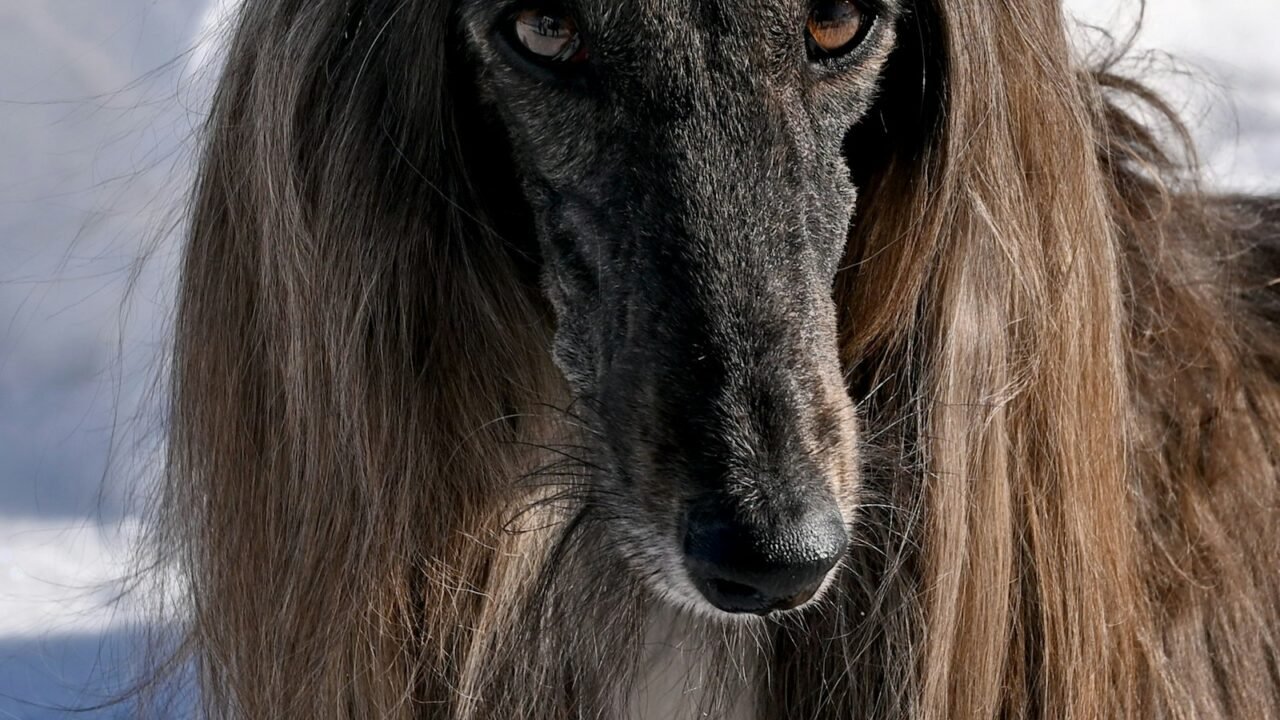
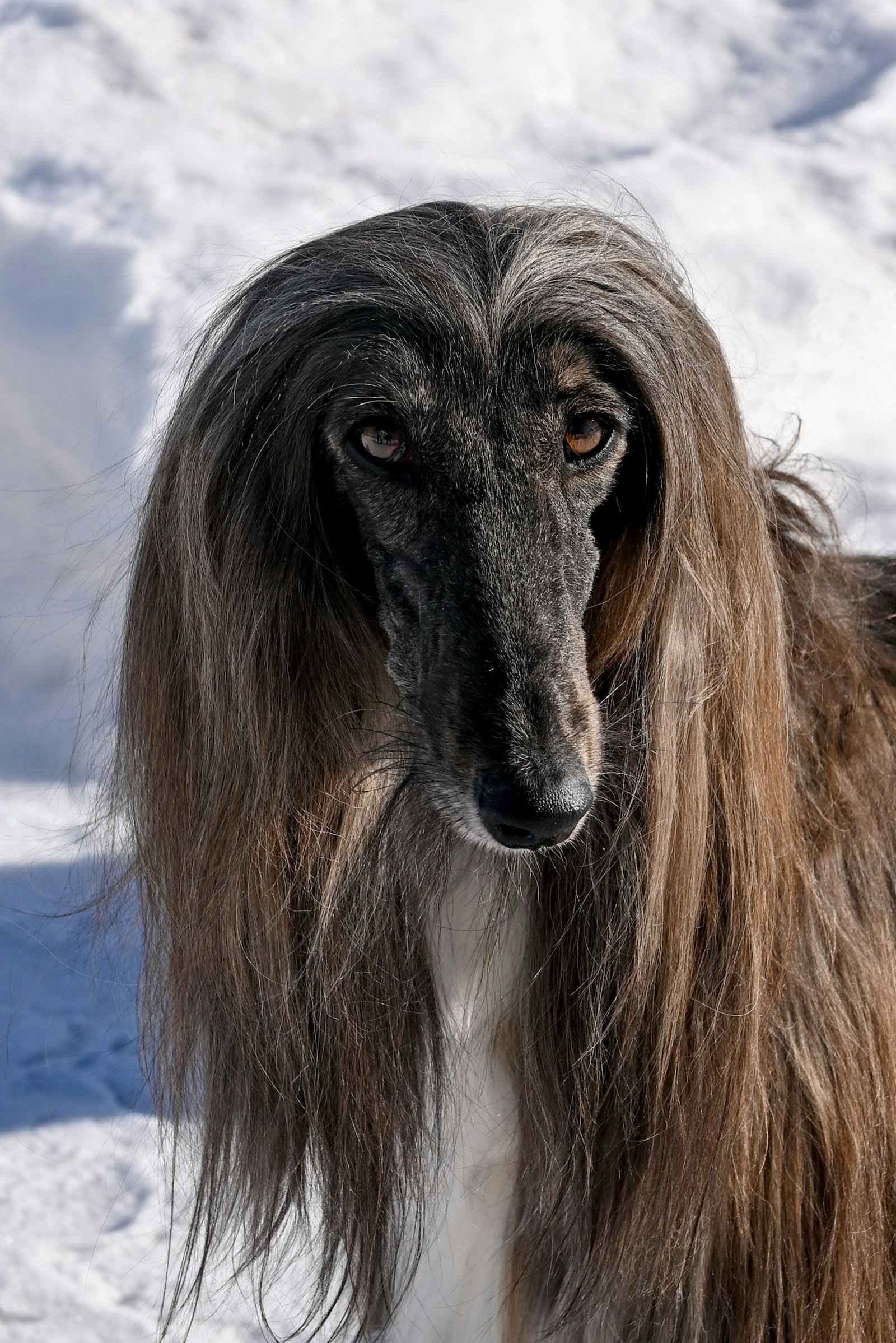
Long-haired dogs can look tidy on the surface while tangles are forming underneath. The most important habit is not occasional heavy brushing. It is regular section-by-section grooming that reaches the skin without pulling.
AKC guidance notes that long-coated dogs often need frequent brushing and that coat tools should be chosen for the individual hair type. A comb is especially useful because it shows whether the coat is actually free of tangles rather than simply smooth on top.
Start with the highest-friction areas
Mats commonly begin behind the ears, under the collar, beneath the front legs, around the groin, under harness straps and in feathering on the legs and tail.
Check those areas daily if your dog mats easily.
Brush in sections instead of skimming the surface
Separate the coat into small layers. Brush from the ends toward the body, then use a comb to check that you can move through the hair without snagging.
This “line brushing” approach is slower than brushing only the top, but it prevents hidden tangles from tightening against the skin.
Use the right tools
A pin brush can work well for long coats, while a slicker brush can help with denser areas. A sturdy metal comb is useful for checking your work.
The exact combination depends on whether the coat is silky, curly, woolly or mixed.
Do not keep brushing through resistance
If the tool catches repeatedly, stop and inspect the section. Pulling through a knot can hurt the dog and can make future grooming harder because the dog learns that brushing predicts discomfort.
Small tangles are easier to handle early
Work from the outside edge of a loose tangle and support the hair close to the skin so you are not pulling the entire knot against the body.
A dog-safe detangling product can sometimes add slip. Our dog detangling spray guide explains when that can help and when it will not solve the problem.
Dense mats need a different plan
If a mat is tight to the skin, broad, felted or painful, do not spend an hour trying to brush it out.
Our matted dog coat guide explains when clippers and professional help are safer.
Never slide household scissors under a mat
Dog skin can be pulled upward into the mat, making it almost impossible to see where the skin ends and hair begins.
Brush before bathing
Water can tighten knots. Comb through the coat before the bath and deal with any significant mats first.
Use dog-safe shampoo and rinse thoroughly
Residue can irritate skin and make the coat feel sticky. Work shampoo through the coat gently rather than twisting long hair into new tangles.
Conditioner can improve manageability
A dog-safe conditioner may reduce friction in some coat types. Follow product directions and avoid using human products unless your veterinarian recommends them.
Drying matters
Long wet hair can tangle as it dries. Blot rather than rub vigorously with a towel.
If you use a dryer, choose a safe temperature and introduce the sound gradually. Keep airflow moving rather than holding hot air against one area.
Comb again after drying
A final comb-through reveals tangles that formed during the bath and helps ensure the coat is dry close to the skin.
Harnesses can create hidden matting
Check under chest straps and behind the front legs after regular harness use. Friction plus moisture is a common combination behind mats.
Wet-weather walks need a quick coat reset
Dry feathering, remove debris and comb friction areas after rainy or muddy walks. You do not need a full grooming session every time.
Outdoor debris can turn into a mat quickly
Burrs, seeds and small twigs can become wrapped in long hair. Remove them promptly rather than waiting until the next scheduled groom.
Ears need coat management too
Long hair around the ears can hold moisture and debris. Keep the outer ear coat combed and ask your veterinarian or groomer about breed-specific ear-hair care.
Feet can hide tangles and foreign material
Check between toes and around paw feathering. Mats there can change gait and trap dirt.
Tail feathering needs careful combing
Support the tail and work through small sections. Pulling directly through knots can make tail grooming especially unpleasant.
Professional trims can make maintenance easier
A practical pet trim may reduce daily coat work while preserving comfort. Discuss your preferred length and lifestyle with the groomer rather than choosing a style only from photographs.
Grooming frequency depends on how fast tangles form
Some long-haired dogs need daily attention; others remain comfortable with several sessions a week.
Our dog grooming frequency guide helps build a schedule around coat type and lifestyle.
Start cooperative grooming early
Touch paws, ears, chest and tail briefly, reward calm behaviour and stop before the dog gets frustrated.
Long-haired dogs may spend a lot of time being groomed over their lifetime, so handling comfort matters.
Senior dogs may need modifications
Use nonslip surfaces, shorter sessions and more position changes. Arthritis can make standing still difficult even when the coat needs regular attention.
Skin changes should interrupt the grooming plan
Redness, sores, odor, hot spots, parasites or repeated itching should be assessed rather than covered with more grooming products.
A practical long-coat routine
- Check high-friction areas with your fingers.
- Brush in small sections.
- Comb to the skin.
- Work loose tangles from the outer edge.
- Stop on tight mats.
- Inspect paws, ears and skin.
- Brush before bathing.
- Dry thoroughly and comb again.
Long-haired dog grooming works best when it stays routine enough that mats never get the chance to become painful. Frequent short sessions, the right tools and a comb that reaches through the coat are more effective than occasional aggressive brushing.
Line brushing is especially useful on dense long coats
Lift a small layer of hair, brush the section beneath it, then lower the next layer and continue. This makes it easier to reach hidden undercoat and to see the skin as you work.
Do not groom only the back and sides
The areas that look most impressive are often not the areas that mat first. Armpits, groin, collar lines and feathering deserve equal or greater attention because friction concentrates there.
Coat length can be adjusted to the household’s real maintenance capacity
If daily combing is unrealistic, a shorter practical trim may be kinder than repeatedly allowing the coat to mat. Discuss maintenance honestly with the groomer rather than choosing a style that cannot be sustained between appointments.
Keep the dog dry between the toes and under dense feathering
Moisture trapped in long hair can contribute to irritation. After wet walks, dry paws and check between the pads for packed hair, grit or plant material.
Grooming should reveal skin, not hide it
Regular sectioning gives you a chance to notice redness, lumps, parasites or sore spots early. If you cannot see the skin at all because the coat is too dense or compacted, ask a groomer for help removing loose undercoat safely.
Recovery after a difficult matting episode should change the maintenance plan
Once mats are removed, shorten the interval between combing sessions and pay attention to the exact places that failed before. Prevention should be targeted, not generic.

0 comments