
Double-Coated Dog Grooming: Brushing, Shedding and Why Shaving Is Not a Routine Fix
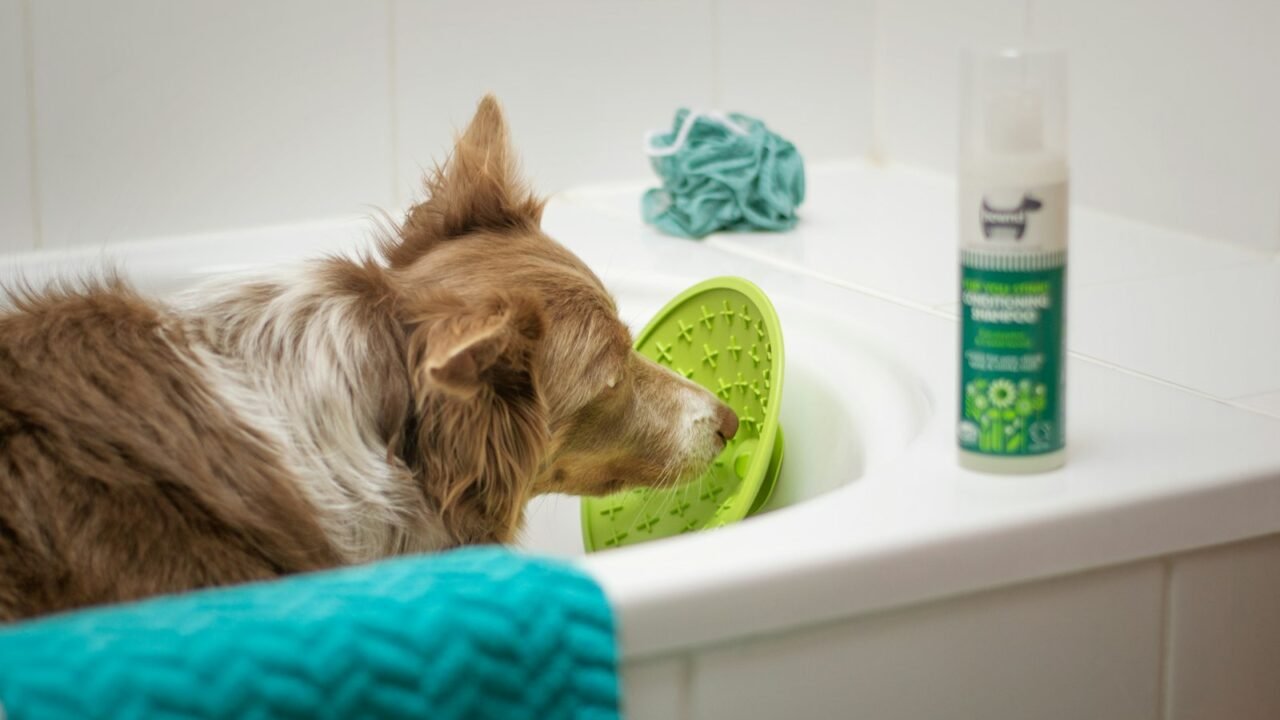
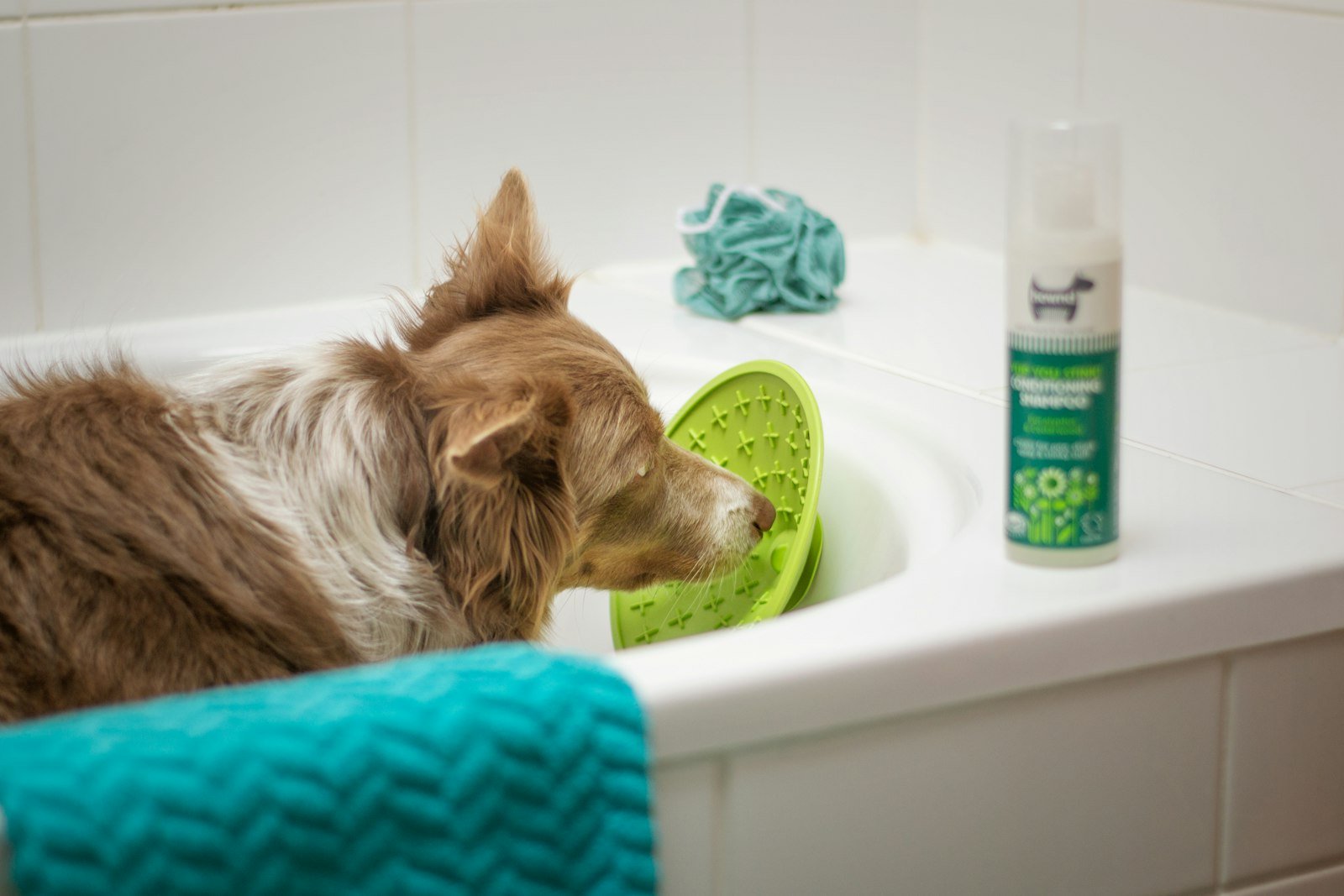
Double-coated dogs have a softer insulating undercoat beneath a tougher outer coat. The exact texture varies by breed, but the grooming challenge is similar: loose undercoat can remain trapped until it is brushed or blown out, while aggressive tools and routine shaving can damage coat condition.
Know what a double coat does
The outer coat helps protect skin from weather, debris and sunlight. The undercoat provides insulation and sheds in varying amounts through the year.
Good grooming removes loose hair while preserving the functional coat that remains.
Shedding season changes the workload
Many double-coated dogs “blow coat” during seasonal changes. Large amounts of undercoat can loosen over a few weeks.
During those periods, grooming may need to increase from several times a week to daily short sessions.
Use tools that reach the undercoat without scraping the skin
A quality undercoat rake, comb or suitable slicker brush may help depending on the coat.
Work gently. Repeated scraping with aggressive blades can irritate skin and damage healthy hair.
Brush in layers
Dense coats can look smooth on top while loose undercoat remains packed beneath. Separate the coat into manageable sections and work from the skin outward.
Do not chase every loose hair in one session
Heavy shedding can last days or weeks. Short sessions reduce skin irritation and prevent the dog from becoming frustrated.
Bathing can help release loose undercoat
A well-timed bath with dog-safe shampoo and thorough rinsing can loosen dead hair during shedding season.
Drying is important because a dense coat can stay wet close to the skin long after the surface looks dry.
High-velocity drying should be introduced carefully
Professional groomers often use controlled airflow to remove loose undercoat. The equipment can be noisy and should be introduced gradually.
Do not use excessive heat.
Shaving is not routine summer cooling
Owners sometimes assume that removing the coat must make a dog cooler. For healthy double-coated dogs, routine shaving can disrupt the protective outer coat and may change how the hair grows back.
Use shade, water, cooler walking times and appropriate indoor temperature as primary heat-management strategies.
There are medical reasons a double coat may need clipping
Surgery, severe matting, skin disease or veterinary treatment may require hair removal. That is different from shaving the entire dog as a seasonal habit.
Mats can still form in a double coat
Friction areas such as behind ears, under the collar, armpits and hindquarters can mat even when the coat is generally straight.
Our matted dog coat guide explains when a tangle is safe to work on and when to stop.
Wet undercoat needs attention
After swimming or rain, dry the coat thoroughly. Persistent dampness can contribute to hot spots, odor and skin irritation.
Do not ignore the skin under all that hair
Part the coat while brushing and check for redness, flakes, parasites, wounds and lumps.
Dense fur can hide skin problems until they become significant.
Excessive shedding can sometimes be medical
Seasonal shedding is normal, but bald patches, thinning areas or irritated skin are different.
AKC notes that unusual hair loss can be associated with conditions such as allergy or endocrine disease. Consult a veterinarian when shedding changes pattern rather than simply increasing seasonally.
Nutrition affects coat quality
A complete balanced diet supports normal skin and hair growth. Do not add oil or supplements automatically because shedding looks heavy.
If the coat becomes brittle, greasy or unusually thin, discuss the broader health picture with a veterinarian.
Collars and harnesses create friction
Check beneath equipment regularly. Dense undercoat can compact where straps rub.
Senior dogs may need a modified grooming setup
Use nonslip flooring, allow position changes and keep sessions shorter. Standing for a long blowout can be harder for dogs with arthritis.
Puppies need handling practice before the adult coat arrives
Introduce brushing, combing and dryer sounds gradually. A dog that already trusts grooming is easier to maintain when the mature coat becomes denser.
How often should you brush?
Several sessions a week may be enough outside heavy shedding periods, while peak shedding can require daily attention.
Our dog grooming frequency guide explains how to adjust by coat and lifestyle.
Professional grooming can be useful during a heavy shed
A groomer can bathe, dry and remove loose undercoat efficiently without overworking one area of skin.
Ask what tools and techniques they use rather than requesting a shave by default.
A practical double-coat routine
- Part the coat and inspect the skin.
- Brush or rake gently in sections.
- Comb dense friction areas.
- Increase frequency during seasonal shedding.
- Bathe when needed and rinse thoroughly.
- Dry the undercoat fully.
- Stop if skin becomes irritated.
- Use professional help for severe compaction or mats.
What good maintenance looks like
The coat should separate easily, the skin should remain visible when parted, and loose undercoat should not form dense packed sections.
Double-coated dog grooming is about maintaining the coat’s function while removing dead hair. Frequent gentle work is safer and more effective than aggressive one-day deshedding or routine shaving.
Undercoat removal should not leave the skin looking scraped
Redness after grooming is a sign that the technique, pressure or tool may be too aggressive. The goal is to remove loose hair while leaving healthy guard hairs and skin intact.
Do not use a de-shedding tool as a daily default year-round
Heavy-bladed tools can remove more than loose seasonal coat when overused. Outside shedding season, a gentler brush and comb may be enough for routine maintenance.
Double coats can hide small mats beneath the surface
Run your fingers through the coat before brushing. Small compacted areas often develop behind the ears, around the hindquarters and under equipment before they become visible from above.
Coat blow does not happen identically every year
Indoor temperature, neuter status, health, age and climate can change shedding patterns. Use the dog’s current coat condition rather than assuming the same calendar dates will apply every season.
Senior double-coated dogs may shed differently
Older dogs can develop thinner skin, reduced mobility and changes in coat quality. Shorter sessions, softer tools and nonslip footing may be more comfortable.
Medical hair loss is not the same as seasonal shedding
Bald patches, symmetrical thinning, inflamed skin or excessive licking should not be treated with more de-shedding. Those signs need veterinary assessment.
Nutrition problems should be evaluated, not guessed at
If coat quality suddenly becomes dull or brittle, do not start multiple supplements without guidance. A veterinarian can help determine whether diet, allergy, endocrine disease or another issue is involved.
Brush before the coat becomes compacted
Regular light maintenance is easier on both dog and owner than waiting until dense loose undercoat forms thick pads. Frequent short sessions keep the coat breathable without aggressive grooming.
Use professional grooming when the undercoat is heavily packed
A groomer with appropriate bathing and drying equipment can often remove loose undercoat more efficiently and with less repetitive brushing than a long home session.
Avoid shaving simply because grooming has become difficult
If maintenance is overwhelming, ask a groomer for a realistic schedule and tool plan first. In healthy double coats, better maintenance is usually preferable to routine full-body shaving.
Watch the dog’s comfort throughout the session
Panting, avoidance, repeated sitting, skin twitching or trying to leave can mean the session is too long or uncomfortable. Take breaks and adjust the technique.
A practical seasonal plan
- Outside shedding season: brush and comb several times a week as needed.
- During coat blow: increase to short daily sessions.
- After swimming or rain: dry the undercoat fully.
- At each session: inspect skin and friction areas.
- If compaction or mats develop: use professional help rather than escalating force.
A healthy double coat should feel open rather than packed, move naturally when the dog walks and allow the skin to be inspected when the hair is parted. Consistent maintenance protects that function far better than aggressive one-off de-shedding.
0 comments