
Pet Carrier Safety in Cars: Where to Put the Carrier, How to Secure It and What Crash Testing Means
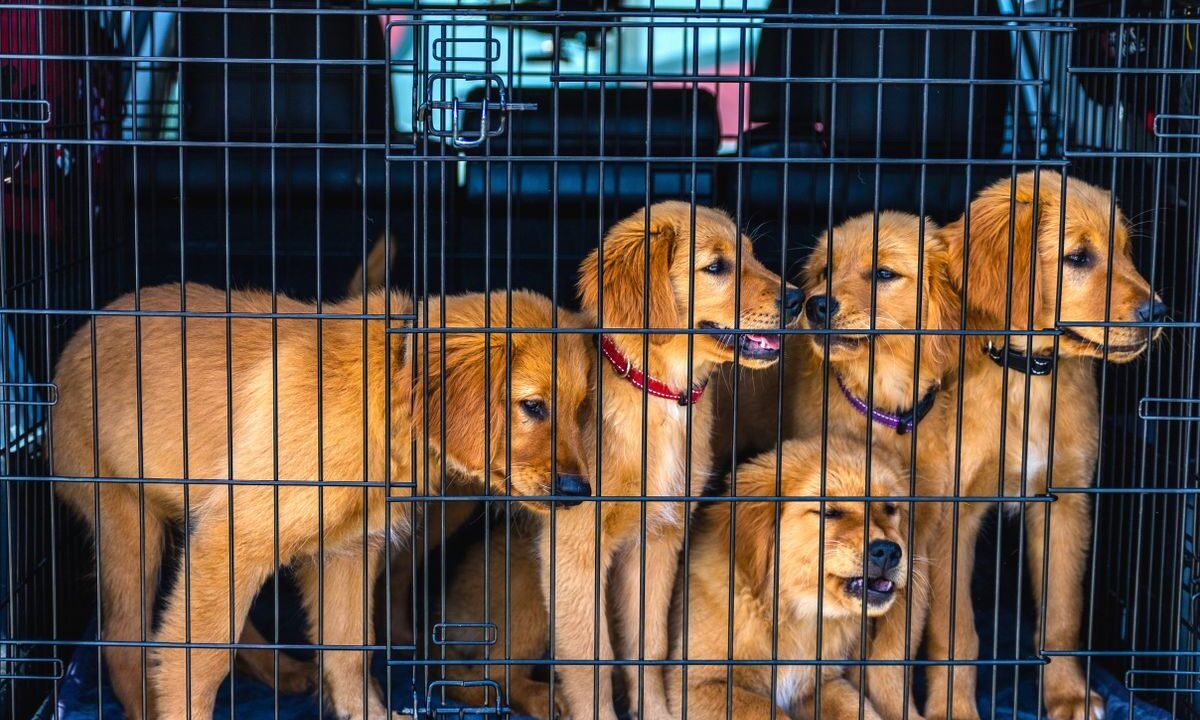
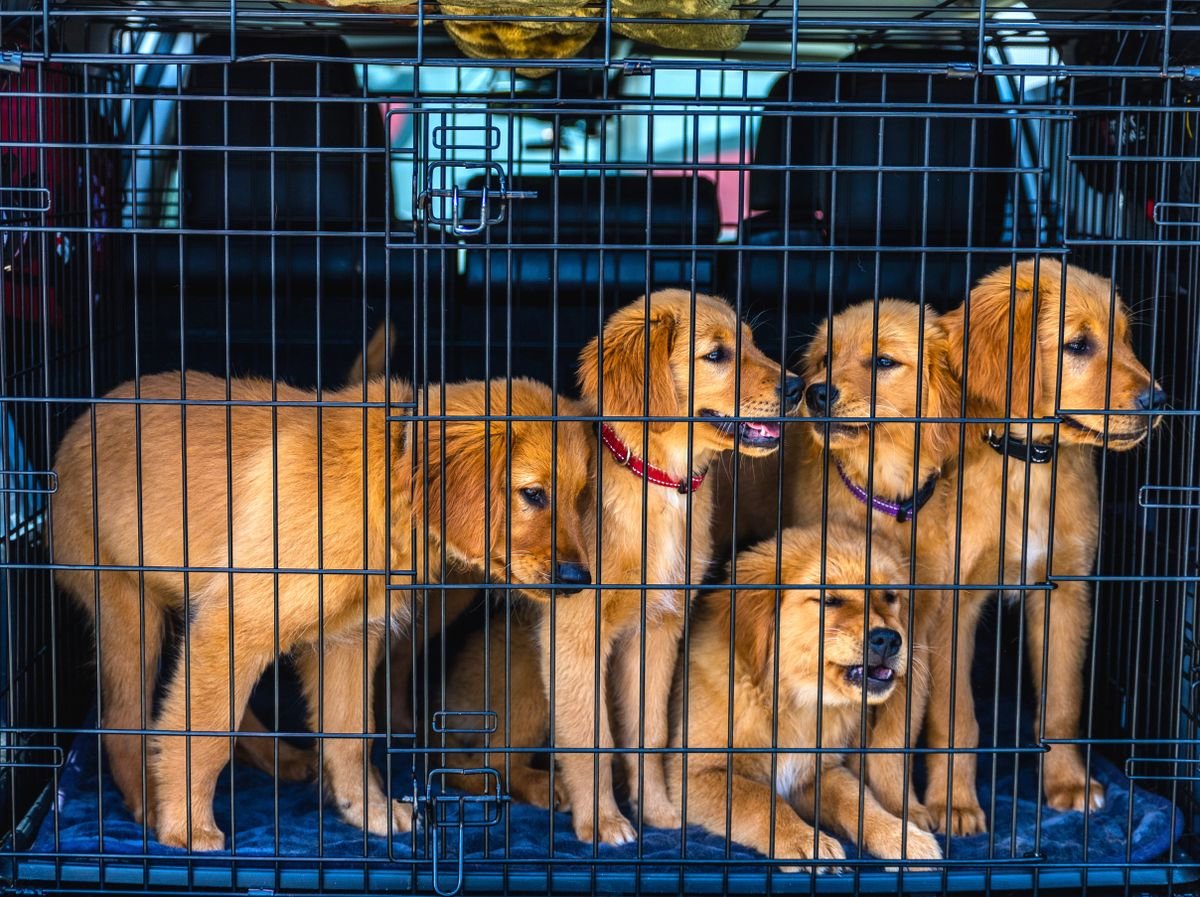
Pet carrier safety in cars is not simply about putting a pet inside a box and fastening a seat belt around it. A carrier prevents dangerous roaming and escape, but crash protection depends on where the carrier is placed, whether the specific model is designed for restraint and whether its structure can tolerate sudden forces. Current feline-veterinary guidance now makes an important distinction between ordinary carriers and crash-test-certified carriers.
Containment comes before comfort extras
A loose cat can climb under pedals, jump onto the driver, escape when a door opens or be thrown during sudden braking. Cats should travel inside a secure carrier rather than loose in the passenger compartment. Small dogs using carriers also need a system that prevents uncontrolled movement.
For most cat carriers, the vehicle floor behind a front seat is the preferred position
The Feline Veterinary Medical Association’s 2025 transportation statement recommends securing ordinary cat carriers on the floor behind either the driver or passenger seat. This position limits movement without pretending a conventional carrier is designed to take seat-belt crash loads.
Do not automatically thread a seat belt through any carrier handle
FelineVMA says seat belts should be used only with carriers that are crash-test certified for that method. A handle or decorative strap may fail under crash forces, and the belt can crush a carrier not designed for restraint.
Crash-tested and crash-certified are not the same as “travel carrier”
Marketing terms such as “car safe,” “tested” or “airline approved” do not prove road crash performance. The independent Center for Pet Safety certification program publishes products that have met its test standards. If crash protection matters to you, look for evidence for the exact model and size.
Past crash studies found major differences between carriers
Center for Pet Safety testing showed that some carriers marketed for travel failed when connection points or structures released under impact. The lesson is not that every uncertified carrier is guaranteed to fail; it is that a carrier’s appearance does not tell you how it behaves in a collision.
Follow the certified carrier’s installation instructions exactly
A model may be certified only with a specific seat-belt path, anchoring method or orientation. Installing it differently can defeat the design. Keep the instructions and practice installation before the pet is inside.
Keep the carrier level and stable
Whether it is on the floor or installed with a certified restraint system, the carrier should not tip, roll or slide during normal cornering and braking. Add a non-slip surface under it if appropriate and allowed by the manufacturer.
Never place the carrier where an airbag can strike it
The front passenger seat can expose a carrier to airbag deployment forces. Use the vehicle and carrier manufacturer’s instructions when deciding placement. For ordinary cat carriers, the FelineVMA floor-behind-the-front-seat recommendation avoids this common risk.
Do not open the carrier while the vehicle is moving
A crying cat may sound distressed, but opening the carrier creates escape and driver-distraction risk. FelineVMA advises keeping the cat contained during travel. Stop in a secure enclosed location if an urgent problem requires opening the carrier.
Ventilation should remain unobstructed
Luggage, blankets and seat structures should not block air vents on the carrier. A towel may help some cats by reducing visual stimulation, but leave enough open area for airflow and watch the temperature inside the vehicle.
Heat risk can become dangerous quickly
Never leave a pet unattended in a parked vehicle. Interior temperature can change rapidly even when outside weather seems mild. Position carriers away from direct sun and direct blasts of heating vents.
Cold air-conditioning can be a problem too
A carrier placed directly in front of a strong air vent can expose a small cat, rabbit or other pet to continuous cold airflow. Keep the vehicle comfortable and stable rather than aiming the vent at the carrier.
Use absorbent, familiar bedding
A washable towel or pad improves grip and manages urine or vomit. Familiar scent can also reduce stress. Avoid thick loose bedding that blocks ventilation or creates overheating.
The carrier must be structurally suitable for the pet
A small carrier overloaded beyond its stated weight rating can deform, tear or fail at handles and latches. Our pet carrier selection guide covers fit, ventilation and closure quality before the carrier ever reaches the car.
Cats need one carrier each
FelineVMA recommends separate carriers even for cats that normally live peacefully together. A sudden stop, frightening noise or veterinary stress can trigger redirected aggression inside a shared space where neither cat can escape.
Practice normal driving before a long journey
Short calm drives help you discover whether the carrier slides, rattles, tips or causes motion sickness. Fix those problems before a long-distance trip rather than discovering them on the highway.
Air travel certification is not car crash certification
“Airline compliant” usually refers to airline dimensions, ventilation and containment requirements. It does not mean the carrier has passed independent automotive crash testing. Treat those claims as separate.
Safety comes from the whole system
A suitable carrier, correct vehicle position, reliable containment, temperature control and evidence-based restraint method all work together. If the carrier is not specifically crash-certified for seat-belt use, do not improvise a restraint system simply because it looks secure.


0 comments