
Nighttime Heating for Reptiles: When to Turn Heat Off and When Extra Heat Is Needed
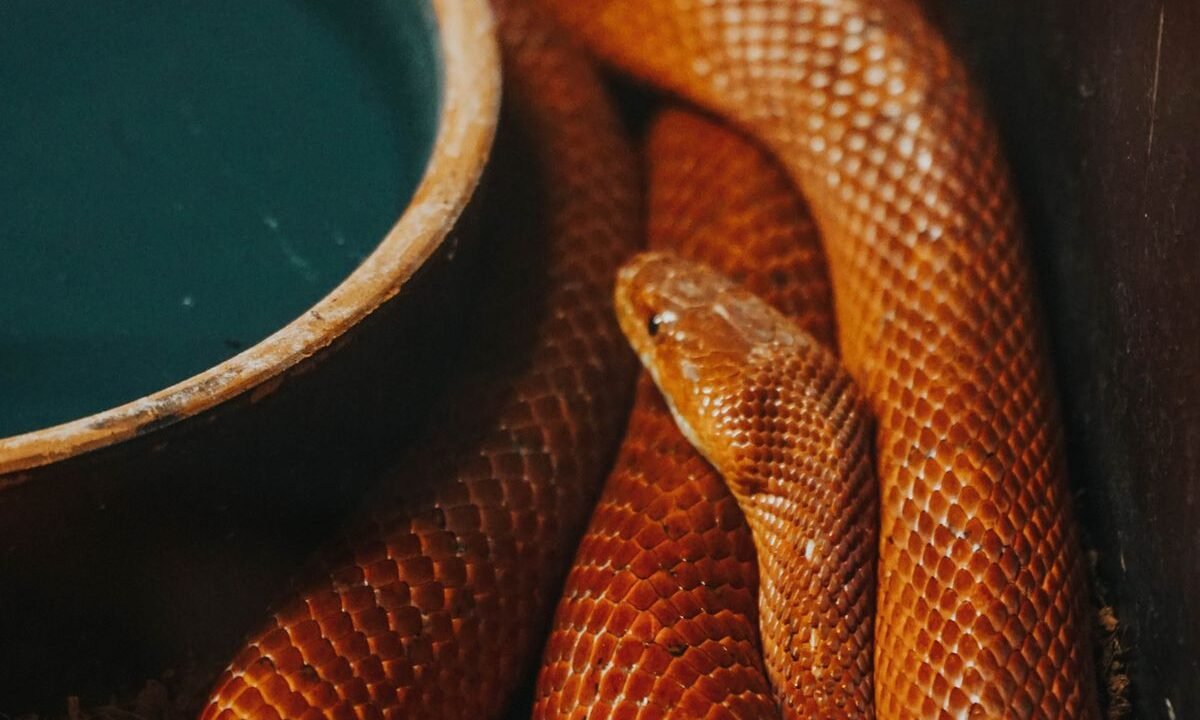
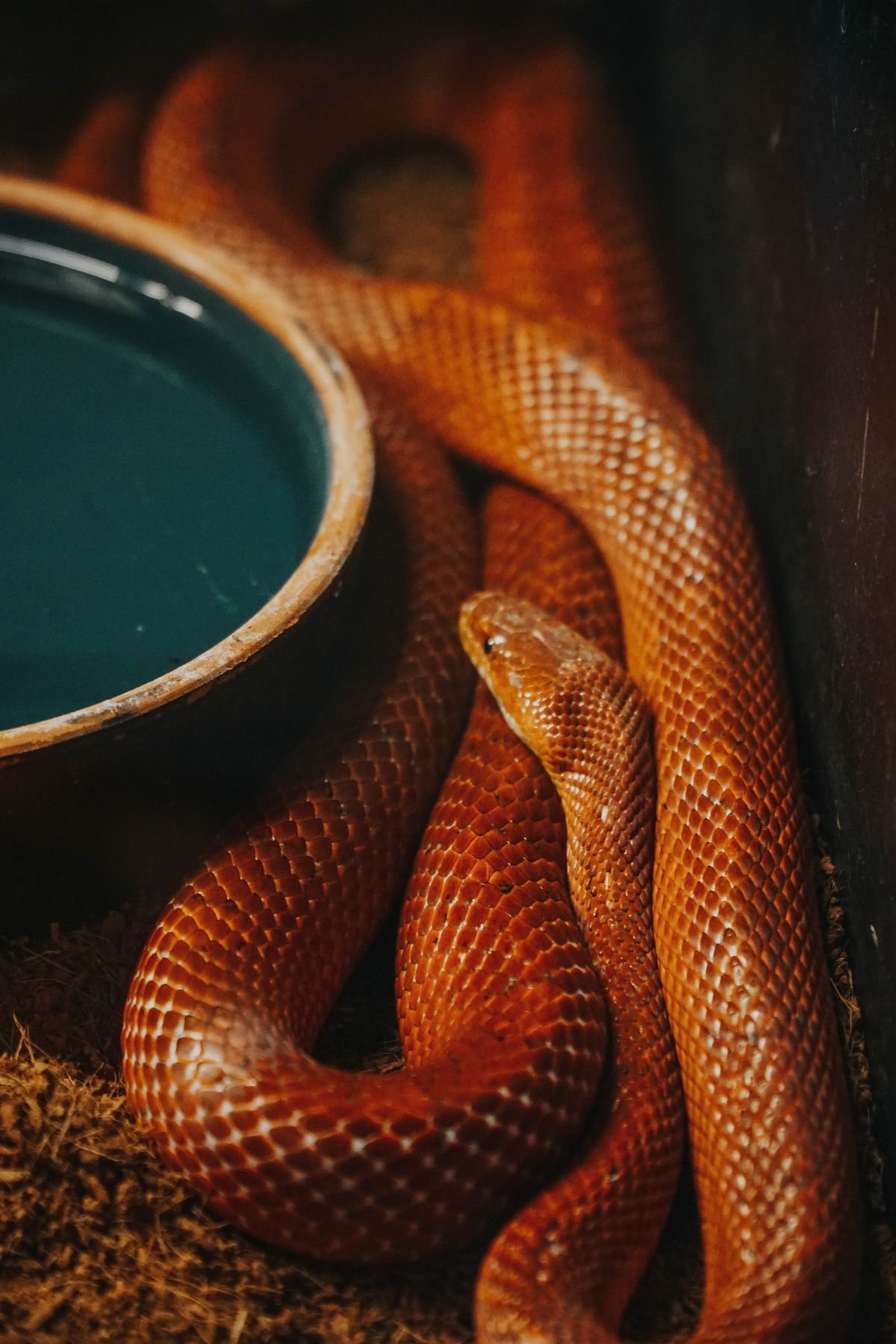
Nighttime heating for reptiles should imitate the species’ natural day-night cycle rather than keeping daytime basking conditions running around the clock. Many reptiles tolerate or benefit from a controlled drop in temperature after lights out. Others still need supplemental heat when the room falls below their safe nighttime range. The answer depends on the species, the season and the actual temperature of the room.
Do not assume reptiles need daytime basking temperatures all night
A nighttime drop is normal for many species. RSPCA guidance for corn snakes, kingsnakes, garter snakes and leopard geckos all allows lower nighttime temperatures than daytime basking temperatures. Keeping an enclosure at maximum daytime heat continuously can remove a normal environmental cycle.
Do not leave bright basking lamps on overnight
Reptiles use light-dark cycles to regulate normal daily rhythms. The RSPCA corn snake guide recommends turning lights off at night and allows heat to drop into the species-appropriate nighttime range. If extra heat is necessary, use a non-light-emitting source.
The safe nighttime minimum differs by species
Corn snakes can tolerate lower nighttime temperatures than many tropical species. Leopard geckos may need supplementary heat if the room falls below about 18°C according to the RSPCA, while blue-tongued skinks may need night temperatures kept around 20–22°C. Never copy another reptile keeper’s number without checking the species.
Measure the room before adding another heater
If your home remains safely above the reptile’s nighttime minimum, extra heat may be unnecessary. Measure the enclosure after lights out over several nights, including colder weather. A minimum-recording digital thermometer is helpful because the lowest temperature may occur hours after you go to bed.
Use non-light-emitting heat when night heat is required
RSPCA care sheets suggest options such as ceramic heat emitters, reptile radiators, deep heat projectors or safely installed heat mats depending on species and enclosure. The key point is that nighttime heat should not create bright visible light that disrupts darkness.
Night heat still needs thermostat control
A ceramic emitter can become extremely hot and should never run uncontrolled. Use a compatible thermostat, secure the probe properly and guard any heater the reptile could contact. Our reptile thermostat setup guide explains probe placement and independent temperature checks.
Do not use red or blue “night bulbs” just because the package says nocturnal
Reptiles can perceive more light than owners sometimes assume. If heat is needed at night, a non-light-emitting source is a cleaner way to preserve darkness. The nighttime environment should look like night, not like a permanently colored room.
A night drop should not become a cold shock
Natural does not mean uncontrolled. A sudden fall far below the safe range can impair digestion, immune function and normal behavior. Use a thermostat with a lower nighttime target or a separate nighttime heat source when local winter conditions require it.
Humidity can change when heat turns off
Relative humidity often rises as temperature falls. If your enclosure is already damp, nighttime cooling may push humidity higher. Monitor both temperature and humidity together rather than treating them as unrelated settings.
Species with humid hides still need a nighttime temperature plan
A leopard gecko may use a humid hide for shedding while the overall enclosure remains relatively dry. A royal python may need a higher general humidity. Those humidity needs do not tell you whether a bright lamp should stay on; temperature and lighting still need their own day-night schedule.
Use timers for lights, not as a replacement for temperature control
A timer is excellent for switching daytime lights on and off consistently. It does not replace a thermostat. A thermostat regulates temperature; a timer regulates schedule. Many safe setups use both.
Check the cool end at night too
Owners often monitor only the warm hide or basking area. At night, the cool end may fall much further. Use thermometers in more than one zone so you know whether the whole gradient remains within the species’ acceptable range.
Seasonal changes may require a different setting
An enclosure that stays warm enough in summer may become too cold in winter. Review minimum nighttime readings when seasons change, the heating system in the home changes or the vivarium is moved to another room.
The correct night is darker and usually cooler
For many reptiles, nighttime husbandry is about allowing a safe temperature drop while preserving darkness. Add heat only when the measured enclosure would otherwise fall below the species’ safe minimum, and provide that heat with a suitable non-light-emitting source on a thermostat.
0 comments