
Reptile Thermostat Setup: Probe Placement, Heat Control and Daily Safety Checks
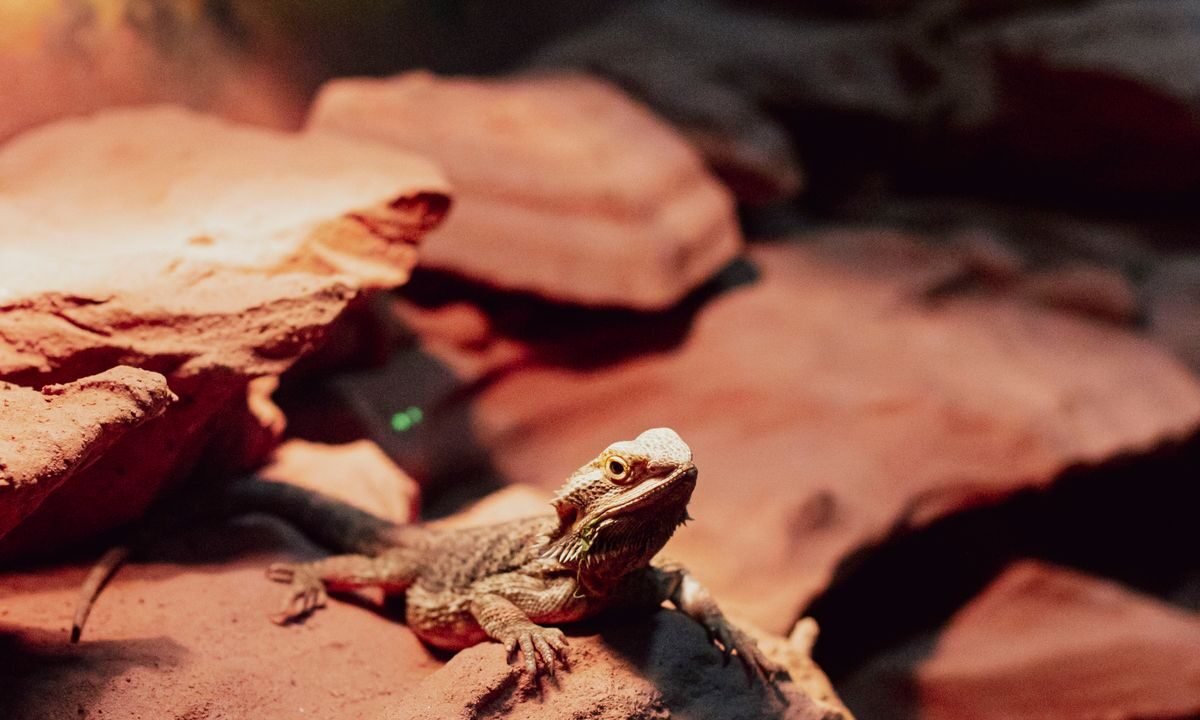
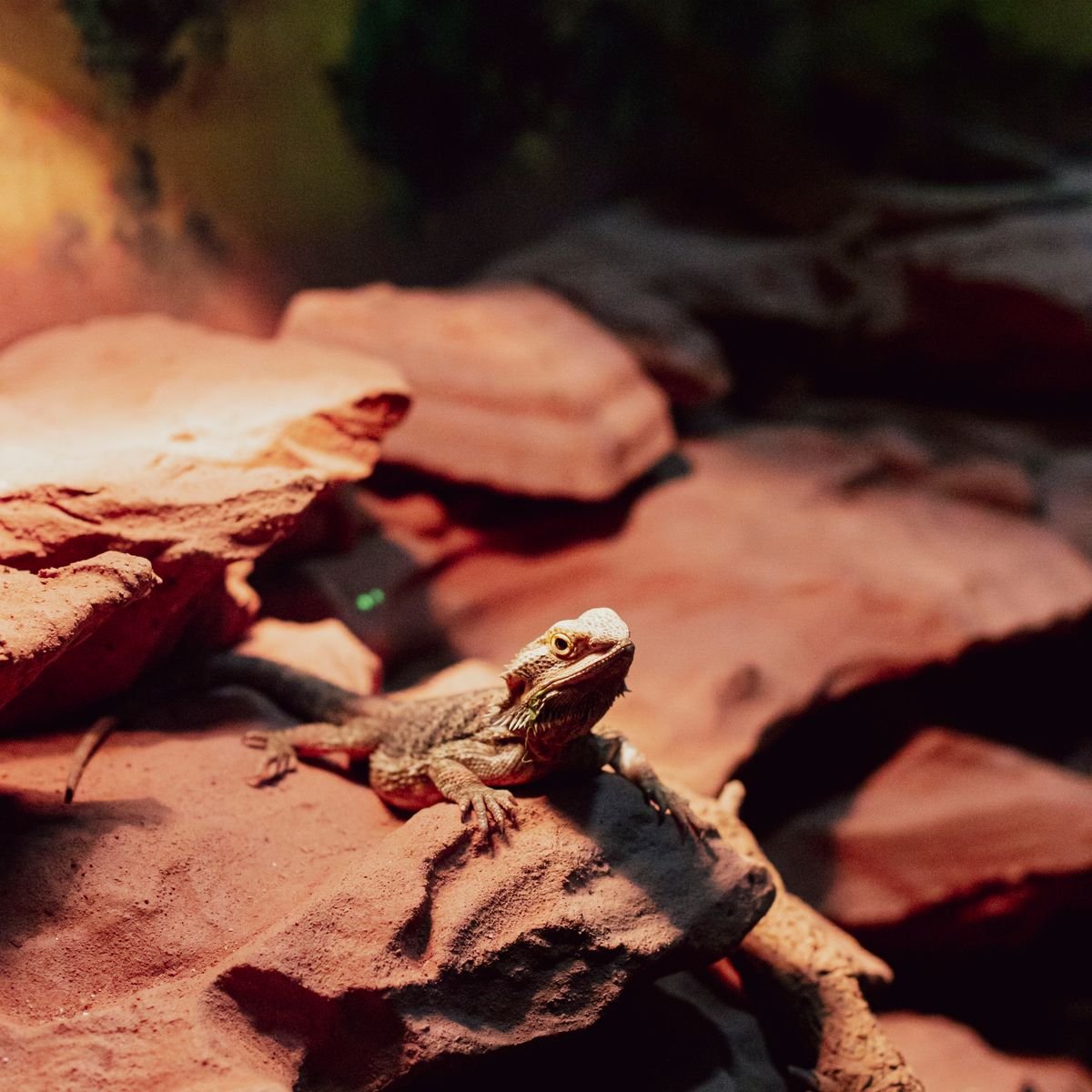
A safe reptile thermostat setup does more than switch a heater on and off. It has to match the type of heat source, measure the right place in the enclosure and be checked against separate thermometers. A thermostat is a control device, not a guarantee that the basking surface, warm hide or cool end is correct. If the probe is badly placed or the thermostat is the wrong type, the enclosure can still run too hot or too cold.
Start with the species, not the thermostat dial
Before setting anything, find the recommended basking, warm-side, cool-side and night temperatures for the exact species. A bearded dragon, leopard gecko, corn snake and royal python do not share one safe temperature. The RSPCA’s reptile care sheets repeatedly emphasize creating a temperature gradient so the animal can move between warmer and cooler zones.
Use a thermostat with every heat source
The RSPCA corn snake guidance states that all heat sources should be controlled by a thermostat. Similar advice appears across its royal python, garter snake, leopard gecko and bearded dragon care information. Heat sources can overheat if room temperature changes, airflow changes or equipment behaves differently than expected.
Match the controller type to the heater
A simple on/off thermostat is commonly used with heat mats because it switches power when the target is reached. For visible basking lamps, the RSPCA recommends a dimming thermostat in several reptile guides so the lamp output is regulated more smoothly instead of repeatedly flashing fully on and off. Use the heat-source manufacturer’s compatibility advice as well.
Probe placement matters as much as the setting
The thermostat only knows the temperature at its probe. For overhead heating, RSPCA snake guidance places the probe above the substrate at the level where the animal sits in the basking or warm zone. For a heat mat, the probe should monitor the actual heated surface or hot-end area according to the enclosure design and equipment instructions.
Secure the probe so the reptile cannot move it
If a snake pushes the probe away from the heat source, the thermostat may read a cooler temperature and increase output. Secure the probe in a safe position that cannot become a loop, entanglement hazard or exposed adhesive surface. Do not place sticky tape where the animal can contact it.
Do not bury the probe somewhere the reptile never experiences
A probe hidden deep beneath substrate can read very differently from the surface where the animal rests. Measure at the relevant animal level. If your reptile burrows, you may need to monitor both the surface and deeper microclimate depending on the species and enclosure design.
Use independent thermometers to verify the thermostat
RSPCA care guidance repeatedly warns that thermostats are not always accurate. Use digital thermometers at the warm and cool ends and an infrared thermometer for surface checks where appropriate. The thermostat controls the heater; the thermometers tell you what the enclosure is actually doing.
Measure the basking surface, not only the air
An overhead lamp can make a rock or branch much hotter than the surrounding air. An infrared thermometer can help you check the temperature of surfaces the animal touches. This matters especially for basking species that sit directly under radiant heat.
Create a gradient rather than heating the whole enclosure evenly
Reptiles are ectothermic and need environmental choice. Put the primary heat source toward one end and maintain a cooler zone elsewhere. Our reptile terrarium setup guide explains how heat, UVB, humidity, hides and enclosure layout work together.
Do a test run before the reptile moves in
Run the enclosure long enough to see daytime highs, nighttime lows and how room temperature affects the system. The RSPCA advises setting up reptile vivariums before the animal arrives so heating and lighting can be adjusted without experimenting on the reptile.
Check what happens when the room gets warmer
A thermostat helps, but sunlight through a window, a radiator, a heatwave or reduced ventilation can still push enclosure temperatures upward. Place the vivarium away from external heat sources and direct sun. Track maximum and minimum temperatures during seasonal changes.
Protect reptiles from direct contact with hot equipment
Heat lamps and ceramic emitters should have suitable guards where the animal could reach them. Heat mats must be installed according to the enclosure manufacturer’s and heater manufacturer’s instructions so the reptile cannot sit directly against an unsafe surface. Our reptile heating-pad guide goes deeper into mat placement and burn prevention.
Night settings should be species-specific
Many reptiles benefit from a nighttime temperature drop, but the safe minimum differs by species. Do not leave a bright basking lamp on simply to maintain heat overnight. If night heat is genuinely needed, use a suitable non-light-emitting source on an appropriate thermostat.
Treat unusual readings as an equipment problem until proven otherwise
If one thermometer suddenly reads far above normal, check the probe, thermostat placement, lamp output and room temperature. Do not simply turn the thermostat dial down by a large amount without understanding why the enclosure changed.
A thermostat is one layer of safety, not the whole system
Safe reptile heating uses several layers: the correct heater, compatible thermostat, secure probe, independent thermometers, a temperature gradient, guarded equipment and daily observation. The thermostat is essential because it controls output, but your measurements confirm whether that control is actually producing the environment the reptile needs.
0 comments