
Dog Suddenly Aggressive Toward Another Dog: Why a New Change Needs Attention
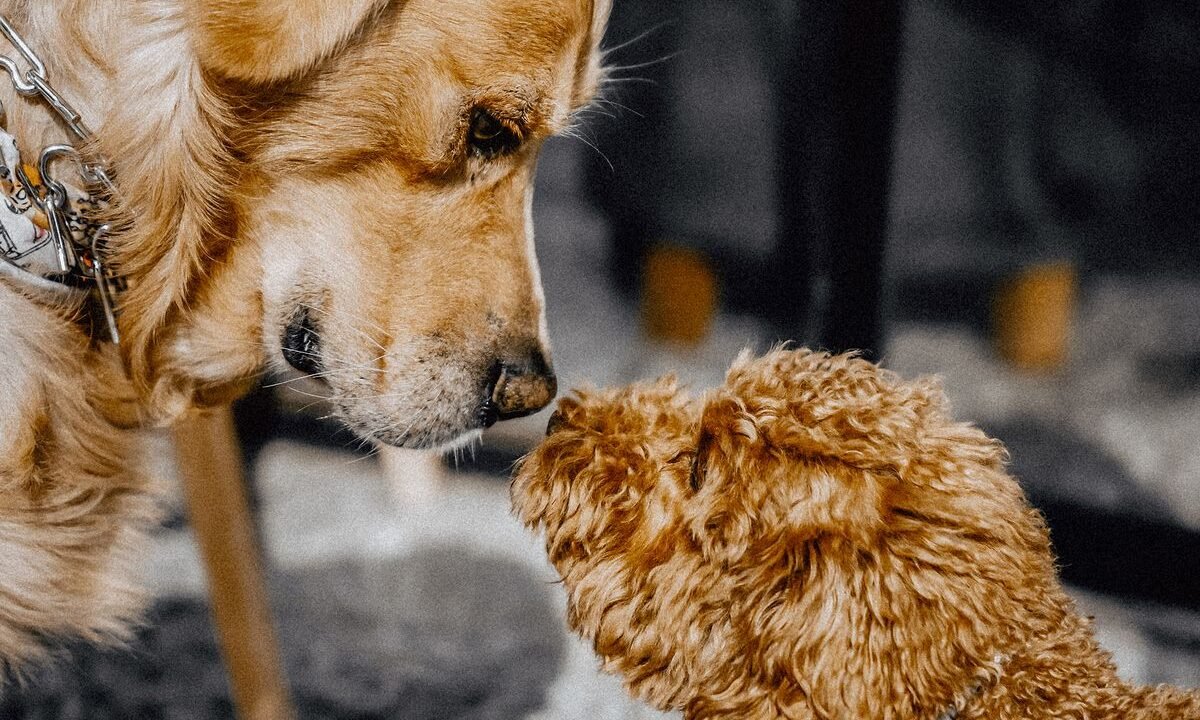
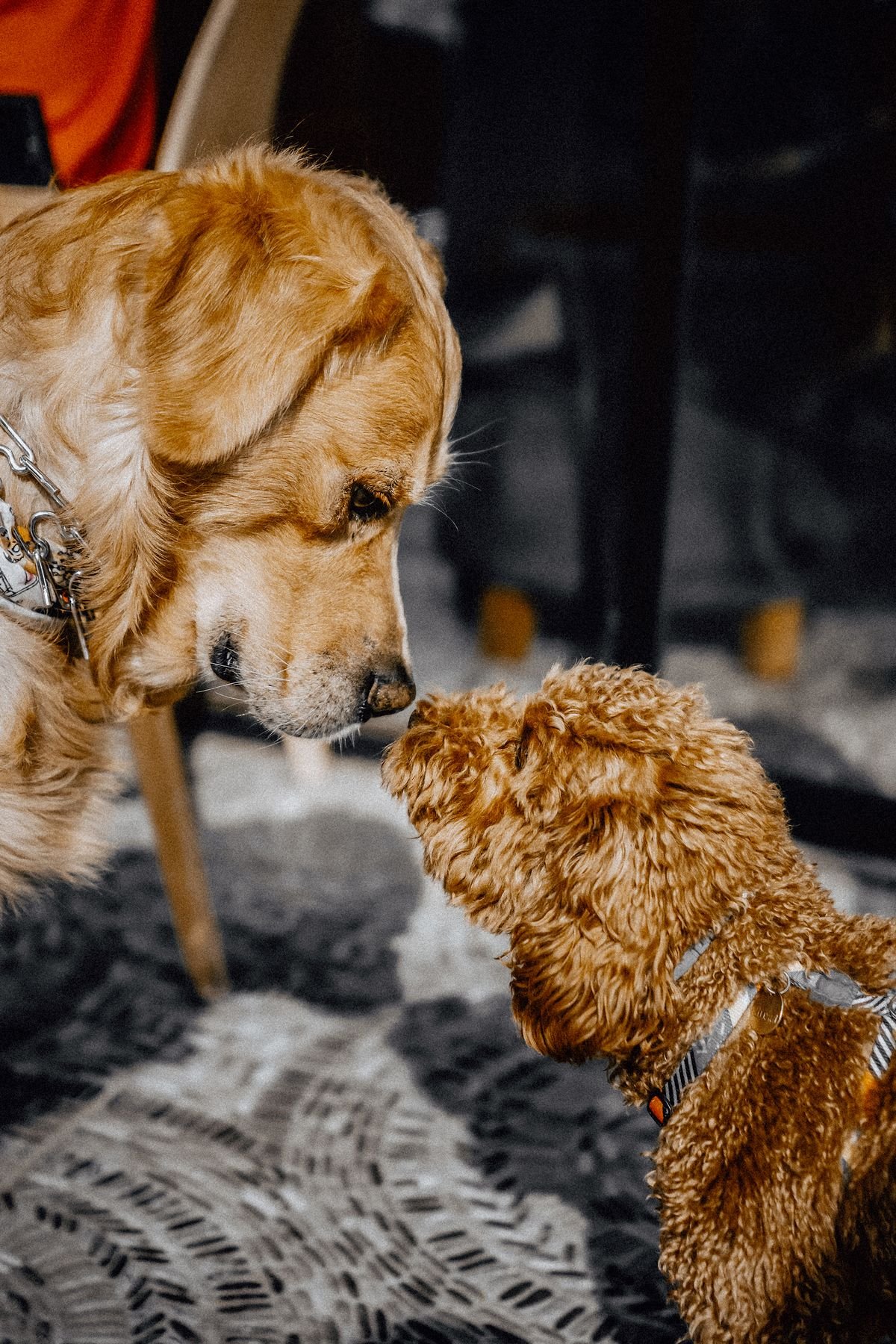
A dog suddenly aggressive toward another dog deserves more attention than a simple label such as “jealous” or “dominant.” A new behavior change can follow pain, illness, fear, resource conflict, a frightening encounter or changes in the relationship between the dogs. The safest first step is to prevent another confrontation while you work out what changed.
Separate first if another fight is possible
Use doors, gates, crates or separate rooms so the dogs can eat, rest and move around without being forced into contact. Do not keep placing them together to see whether the problem has disappeared.
A sudden change should prompt a veterinary check
Pain can reduce tolerance and make normal social contact feel threatening. Ear infections, dental pain, arthritis and other conditions may contribute to irritability. If aggression appears without a clear history, rule out medical causes early.
Look at the exact context
Does conflict happen around food, doorways, beds, toys, attention or when one dog is resting? Patterns matter. “Aggressive toward the other dog” is too broad to tell you what the trigger is.
Do not punish either dog after a confrontation
AVSAB recommends reward-based methods rather than aversive punishment for behavior modification. Punishment can add fear and arousal to an already tense relationship. Their humane training statement specifically supports management and reward-based approaches.
Resource conflict is common but not the only explanation
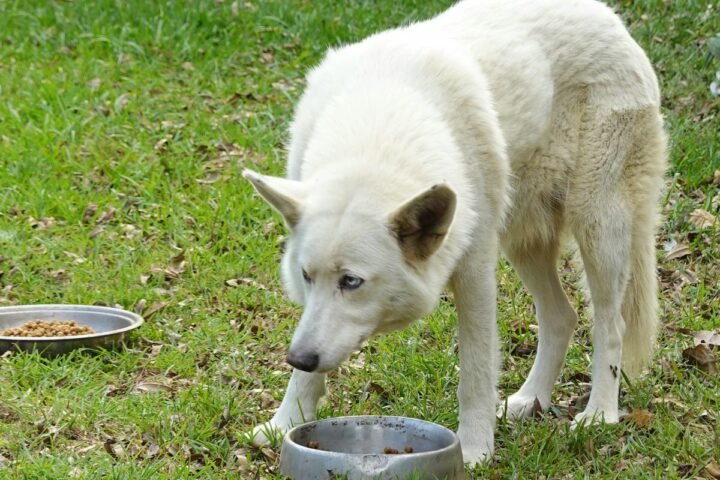
Food, toys, resting areas and owner attention can trigger competition. Our resource guarding guide explains what guarding looks like and how to reduce conflict around valuable items.
Age can change the relationship
A puppy reaching adolescence, an older dog becoming less tolerant or a dog developing mobility problems can alter interactions that used to be easy. Previous friendliness does not guarantee the relationship will stay identical throughout life.
Watch the quieter warning signs
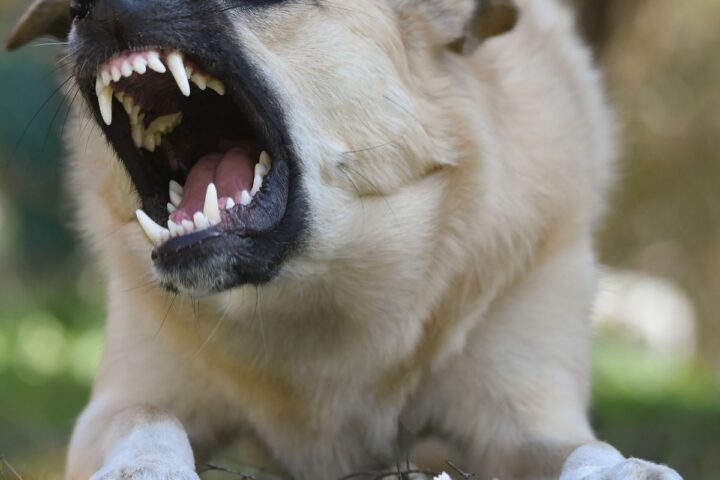
Hard staring, freezing, blocking access, standing over another dog, repeatedly following them away from resources or one dog avoiding rooms can matter before growling or fighting begins. The RSPCA notes that aggression often follows earlier attempts to reduce a perceived threat.
Do not force reconciliation
Putting the dogs nose-to-nose, making them share a bed or holding both leads tightly while they “work it out” can increase pressure. Give them space and rebuild controlled exposure only when you have a safe plan.
Keep a record of incidents
Write down the location, people present, resources nearby, what each dog was doing and how the interaction ended. Patterns that feel random can become obvious after several observations.
Repeated aggression needs qualified help
If fights recur, injuries occur or one dog lives in constant avoidance, speak with your veterinarian and a qualified clinical animal behavior professional. Our dog aggression guide covers warning signs and safer next steps.
Treat the new behavior as a change worth investigating
The useful question is not which dog is “the problem.” It is what changed in health, environment, resources or social pressure—and how to make the home safer while you address it.

0 comments