
How Much Playtime Does a Cat Need Each Day? Follow the Cat, Not a Stopwatch
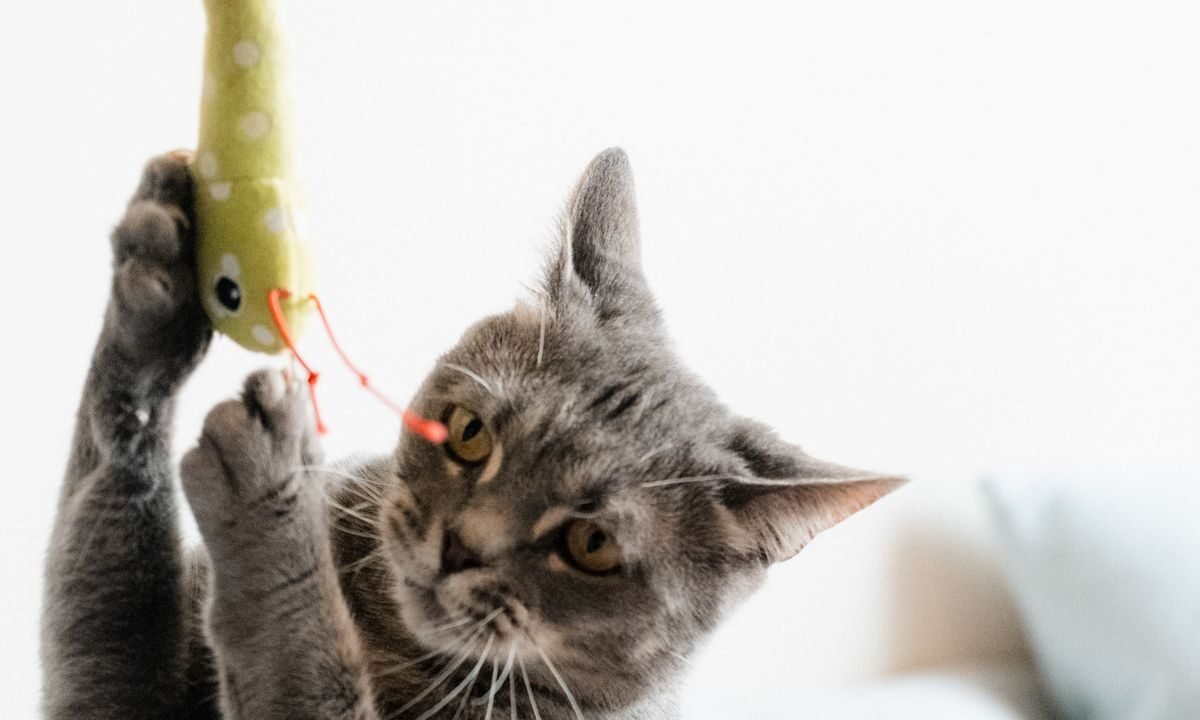
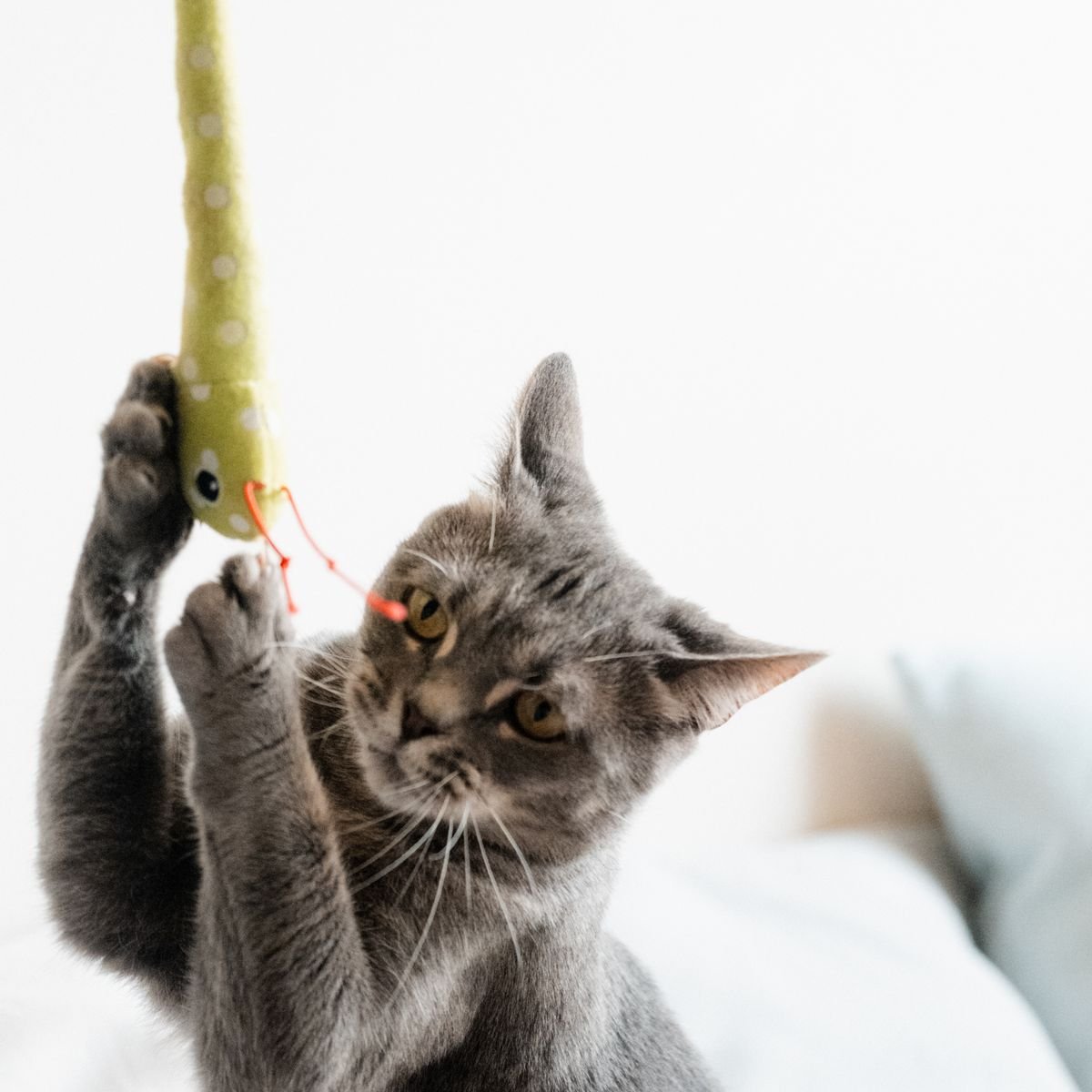
How much playtime does a cat need each day? There is no single number that works for a young indoor cat, a senior cat with arthritis and an active outdoor cat. Most cats benefit from several short opportunities to stalk, chase, pounce and catch something each day. The useful measure is whether your cat stays engaged, active and able to express normal hunting-style behavior.
Cats usually play in bursts rather than long sessions
A cat may play intensely for a few minutes, walk away and return later. That is normal. PDSA notes that cats naturally exercise in short bursts and recommends breaking activity into shorter sessions in its cat exercise guidance.
Two daily sessions can be a useful starting structure
For a sedentary indoor cat, setting aside play before breakfast and again in the evening can create consistency. PDSA suggests two 15–20 minute sessions as a starting point for cats that need more activity, but that does not mean every cat should be forced to play for exactly that long.
A five-minute session can still be worthwhile
If your cat chases enthusiastically for five minutes and then lies down, the session has not failed. Stop while the cat is satisfied and try another short session later. Forcing continued play can turn an enjoyable routine into something the cat avoids.
Indoor cats often need more planned opportunities
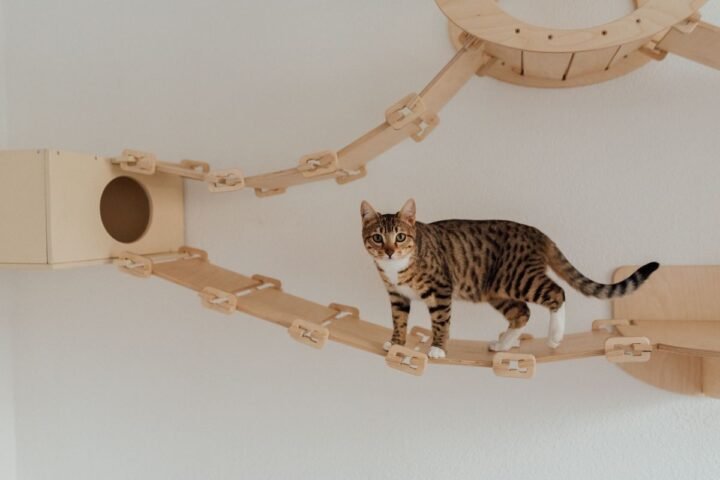
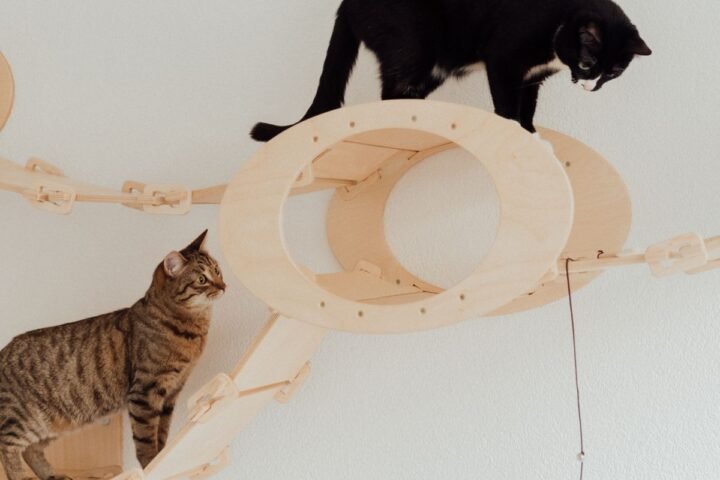
A cat that does not roam outdoors has fewer accidental opportunities to climb, stalk and chase. Toys, vertical spaces, puzzle feeders and interactive play help replace some of that missing activity. Our indoor cat exercise guide gives practical ways to build movement into the home.
Kittens may want many short sessions
Young cats often cycle rapidly between intense play and sleep. Give safe toys and supervised interactive play several times during the day rather than trying to exhaust a kitten in one long session.
Senior cats still benefit from play
Older cats may prefer slower movement, shorter distances and toys that do not require high jumping. Play can remain mentally useful even when mobility changes. Adapt the game rather than assuming an older cat has lost all interest.
Let the toy behave like prey
Move a wand away from the cat, hide it briefly and allow successful catches. Constantly waving a toy in the cat’s face is less natural than giving them a chance to stalk and choose when to pounce.
Watch for signs your cat wants more enrichment
Repeated attention-seeking, attacking ankles, destructive play or obvious boredom can mean the cat needs better outlets, although those behaviors can have other causes too. Our guide to toys for bored indoor cats focuses on matching activities to the way individual cats like to hunt and play.
Do not confuse playtime with calorie permission
A playful cat can still gain weight if food intake is too high. If you use treats or food puzzles during games, count that food as part of the normal daily allowance.
Stop when the cat disengages
Walking away, grooming, lying down or simply watching without chasing can be a natural end point. Give the cat a break. You can offer another session later rather than trying to restart the game immediately.
Consistency matters more than an exact minute target
A cat that gets several enjoyable opportunities to move every day is usually better served than one that receives a strict thirty-minute workout only when the owner remembers. Build play into the times your cat naturally becomes alert, then adjust the routine to age, health and enthusiasm.
0 comments