
Cat Suddenly Refusing the Litter Box: Medical, Setup and Stress Causes
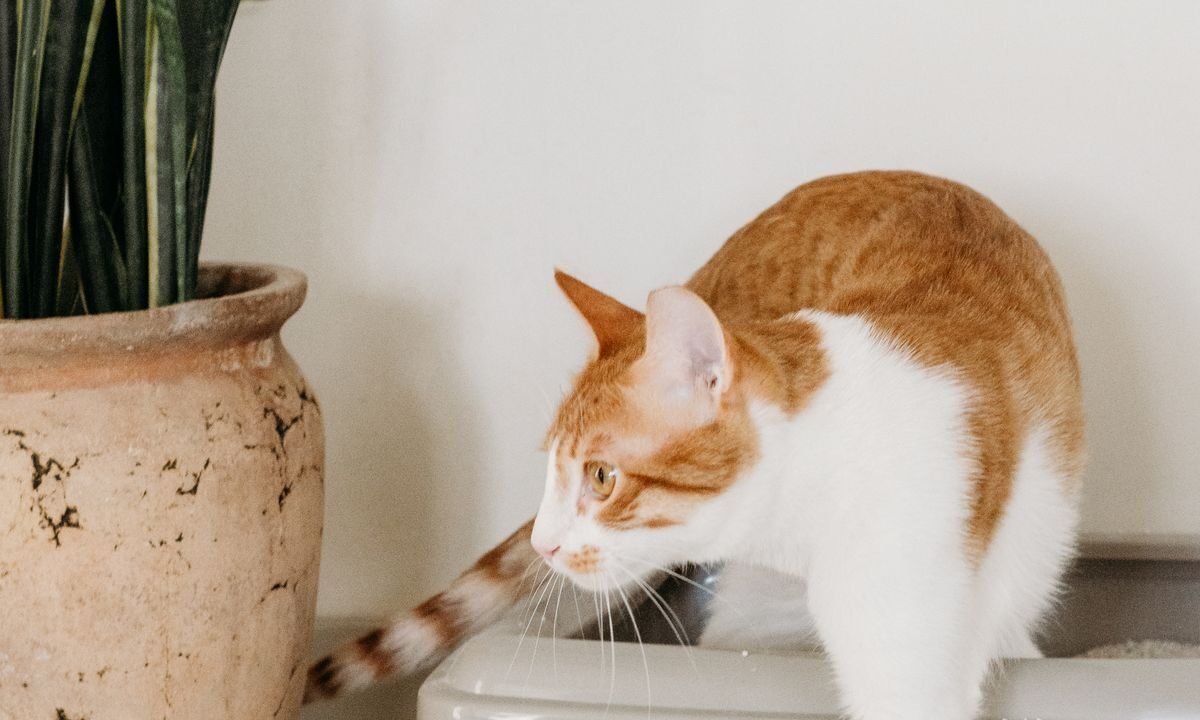
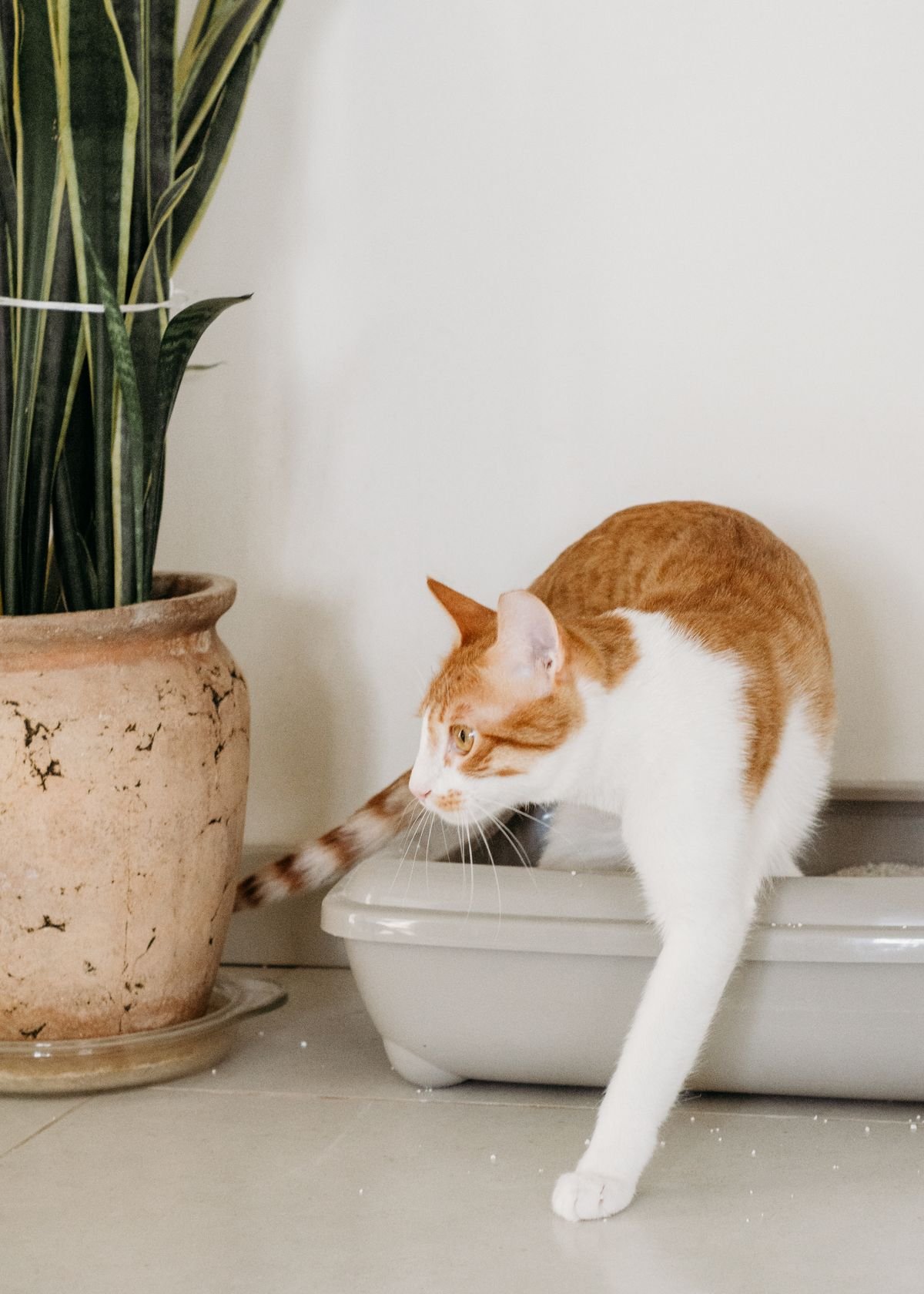
A cat suddenly refusing the litter box is giving you information, even if the reason is not obvious yet. Cats can avoid a box because urination or defecation hurts, because the tray has changed, because another animal makes the location feel unsafe, or because they have developed an aversion to the litter, box or surrounding area. A sudden change deserves attention rather than punishment.
Rule out a medical cause early
Painful urination, constipation, diarrhea, arthritis and several other health problems can change litter-box behavior. Cornell University’s feline health guidance advises a veterinary examination because cats with medical causes of house soiling may not otherwise look obviously sick. Their house-soiling guidance explains why medical and environmental causes often overlap.
Straining to urinate can be an emergency
Repeated trips to the box, straining with little or no urine, crying, licking the genital area, vomiting or becoming weak can indicate a serious urinary problem. Male cats are particularly at risk of urethral blockage. If your cat cannot pass urine normally, seek urgent veterinary care. Our cat urinary blockage guide explains the warning signs in more detail.
Check whether the box became dirty faster than usual
A change in your schedule, a second cat using the same tray or increased urination can make a normally acceptable box dirty more quickly. Scoop regularly and notice whether the cat returns once the tray is clean. Do not use strong perfume to cover odor.
Think about anything that changed near the box
A new washing machine, baby gate, noisy appliance, dog bed or household renovation can make a formerly quiet location feel unsafe. Cats often prefer toileting areas where they can see what is approaching and leave without being cornered.
A new litter can trigger refusal
Cats can dislike a different scent, particle size or texture. The ASPCA notes that litter preference and aversion are common contributors to elimination outside the box. If the problem began immediately after a litter change, offer the previous type again or put two boxes side by side so the cat can choose.
The box itself may have become difficult to use
A high-sided or top-entry box may be fine for a young, agile cat and frustrating for one with joint pain or reduced mobility. A covered box can also hold odors and limit escape routes. Our litter-box setup guide covers size, number of boxes, lids, liners and location.
Multi-cat tension can happen without an obvious fight
One cat does not have to attack another beside the litter tray to make access stressful. Staring, blocking hallways or waiting near the box can be enough. Provide multiple boxes in separate locations so one cat cannot control every route to a toilet.
Do not punish accidents
Shouting, spraying water or carrying the cat to the box can increase fear without fixing pain, substrate aversion or conflict. Clean the soiled area thoroughly with an appropriate enzymatic cleaner and focus on finding the reason the box became less acceptable.
Notice whether it is urine, stool or both
A cat that urinates outside the box but still defecates in it may have a different problem from a cat avoiding the box completely. Also distinguish squatting on horizontal surfaces from urine marking on vertical surfaces. These details help your veterinarian or behavior professional narrow the possibilities.
Keep a short record before the appointment
Write down when the problem started, where accidents happen, how much urine or stool you see, recent household changes, appetite, water intake and any straining or vocalizing. Photos of the box setup can also be useful. Small observations are often more helpful than saying only that the cat “stopped using the litter box.”
A sudden litter-box change is a symptom, not spite
Cats do not usually stop using a litter box to punish their owners. Pain, urgency, fear, access, cleanliness and preference are all more useful places to look. Address medical risk first, then make the box easy, clean and safe enough that the cat has a good reason to return.
0 comments