
Small Animal Bedding: Safe Choices for Hamsters, Guinea Pigs and Rabbits
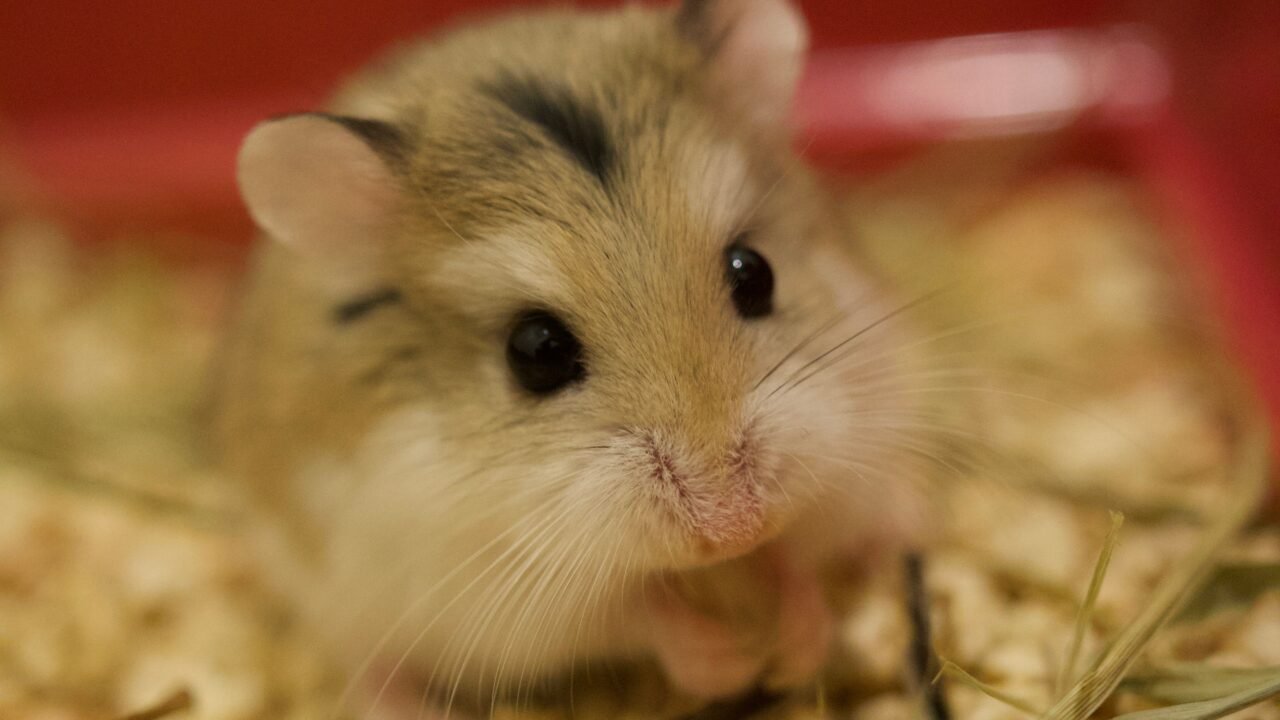
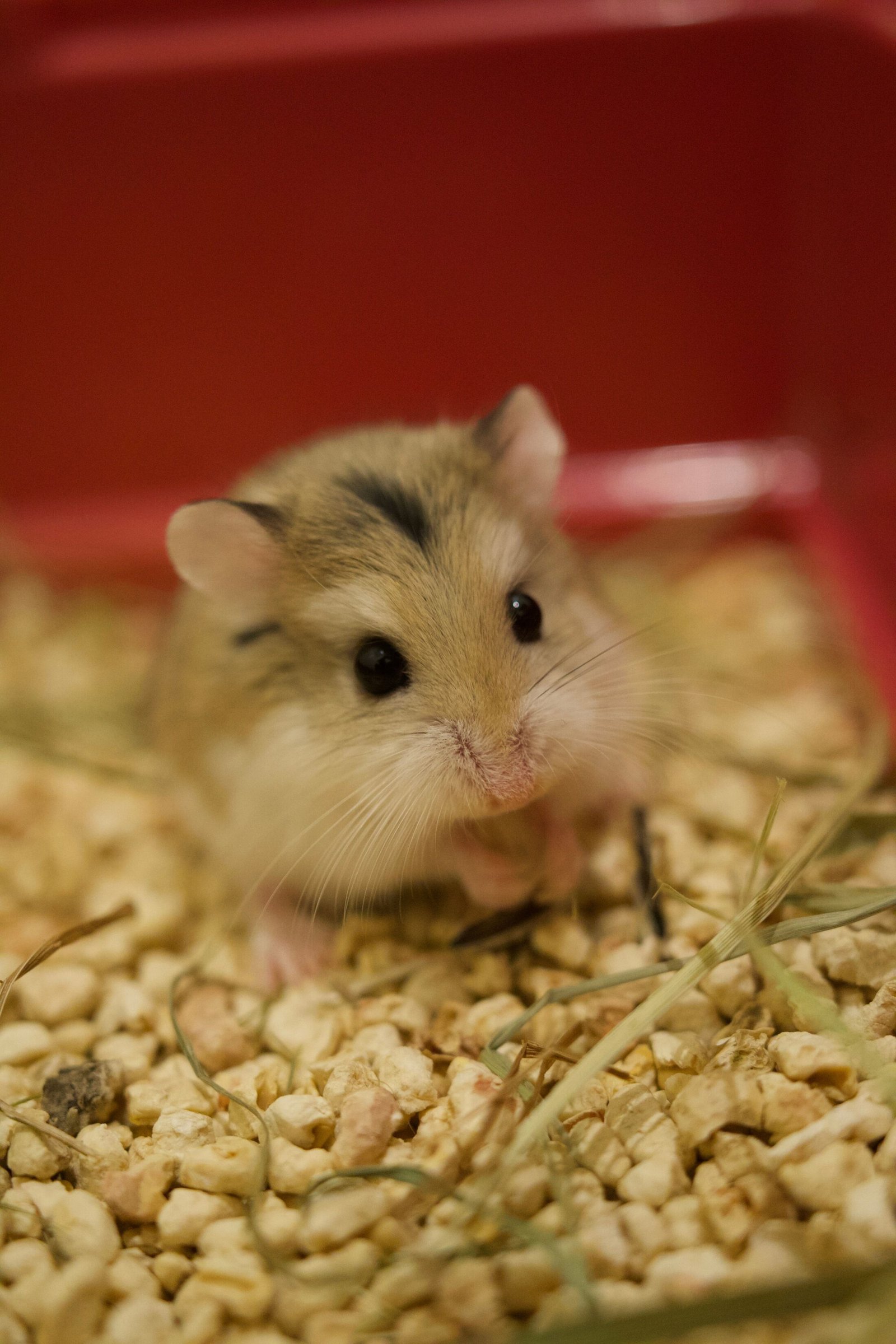
Small animal bedding affects comfort, odor control, burrowing, foot health and respiratory exposure. The best choice depends on the species because a hamster that needs deep burrowing material has different housing needs from a rabbit using a litter area or a guinea pig resting on a large floor space.
Small animal bedding should be low-dust
Dust can irritate eyes and airways and can make an enclosure unpleasant to maintain. Shake out or avoid products that release visible clouds of fine particles.
Keep bedding dry and absorbent
Wet bedding traps odor and keeps skin in contact with moisture. Spot-clean damp areas frequently and replace material before ammonia smell becomes strong.
Hamsters need bedding they can dig into
Hamsters are natural burrowers. The RSPCA hamster housing guidance recommends suitable dust-free substrate and safe nesting materials such as shredded paper or cardboard.
Avoid fluffy cotton-style nesting material
RSPCA guidance warns against cotton wool and similar materials that separate into thin strands because animals can become tangled or ingest them. Soft-looking does not automatically mean safe.
Paper bedding can be practical
Unscented paper-based bedding is widely used for hamsters and other small pets because it can be absorbent and suitable for nesting. Choose a product designed for animals and watch for excessive dust.
Guinea pig bedding needs a dry walking surface
Guinea pigs spend their lives close to the floor. Damp, abrasive or dusty bedding can create daily exposure. Our guinea pig care guide covers bedding alongside housing, companionship and diet.
Hay is food first, even when it becomes bedding
Guinea pigs and rabbits need appropriate hay for eating. Hay placed in resting areas may also provide comfort, but soiled hay should not be left indefinitely and feeding hay should remain clean and accessible.
Avoid coarse sharp material
Very coarse straw or sharp fragments can irritate eyes and skin in small animals. Feel the material yourself and remove pieces that could cause injury.
Be cautious with aromatic softwoods
Not every wood product is equal. RSPCA guinea pig guidance advises against some softwood products such as pine. If using a wood-based bedding, choose a product specifically sold as safe for the species and follow current welfare or veterinary guidance.
Rabbits often use bedding and litter differently
Many indoor rabbits use a litter box while resting on mats, rugs or other safe flooring elsewhere. Our rabbit housing guide explains how flooring, space and hideouts fit together.
Do not use clumping cat litter for small animals
Products designed to clump around moisture can be risky if chewed or swallowed and may be dusty. Use litter and bedding specifically appropriate for the species.
Scented bedding is not necessary
Strong fragrance can mask a dirty enclosure without fixing the cause. Good hygiene, sufficient space and regular spot-cleaning are better odor-control strategies.
Deep bedding is especially important for burrowing hamsters
A thin decorative layer does not allow normal tunnel building. If your enclosure cannot hold a meaningful bedding depth, the housing itself may need reconsideration. Our hamster cage comparison can help with enclosure choices.
Preserve some clean familiar material during cleaning
For scent-oriented small pets, stripping every familiar smell at every clean can be stressful. Remove dirty material while retaining a small amount of clean old nesting material when it is safe to do so.
Clean more often where animals toilet
One corner may become wet long before the rest of the habitat. Spot-cleaning those areas can keep the enclosure dry without unnecessarily replacing every handful of bedding each day.
Watch feet, skin and breathing after a bedding change
If a new product coincides with sneezing, watery eyes, sore feet, skin irritation or reduced normal behavior, stop using it and contact an appropriate veterinarian if signs persist.
Buy bedding for the animal, not the scent or color
Dyed, fragranced or novelty bedding does not improve welfare simply because it looks attractive. Prioritize safe material, absorbency, low dust and the natural behavior of the species.
Choose bedding for the animal, not the packaging
Choose small animal bedding that is dry, absorbent, low-dust and suited to the species. Give burrowers enough depth, avoid fluffy stringy nesting materials, remove wet areas promptly and change products if they irritate your pet.



0 comments