
Reptile Heating Pad: Safe Setup, Thermostats, Temperature and Burn Prevention
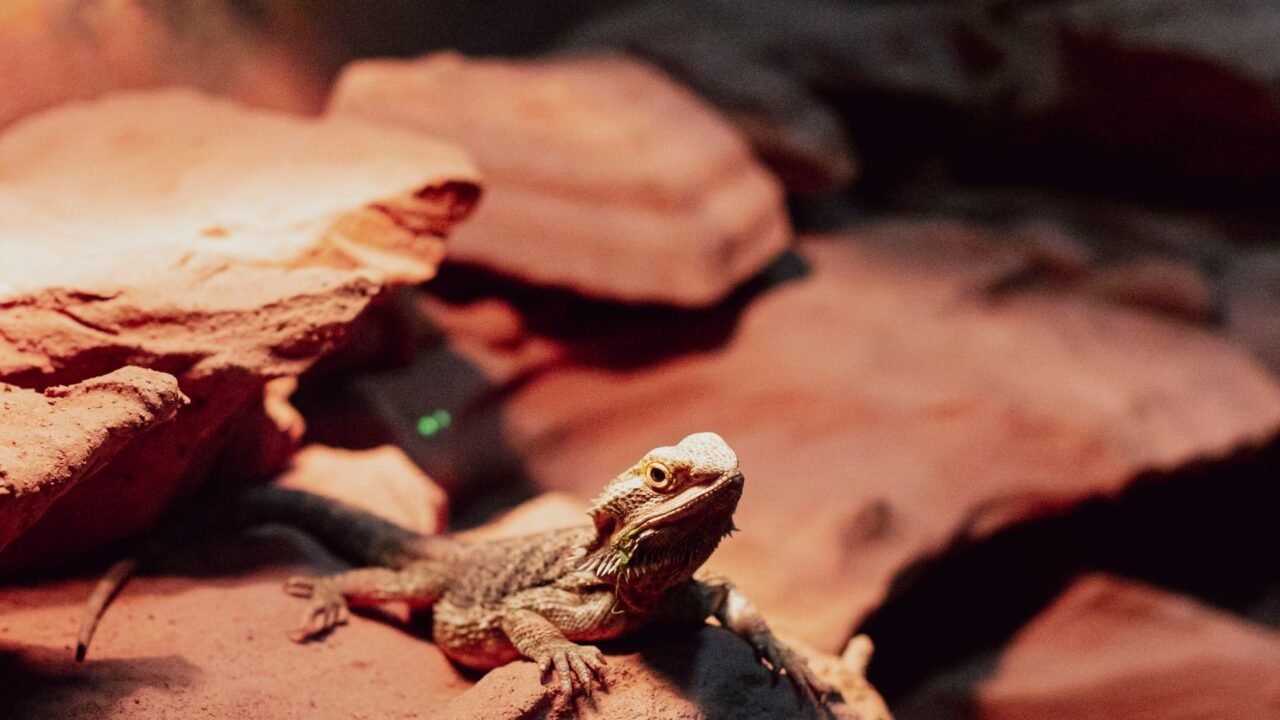
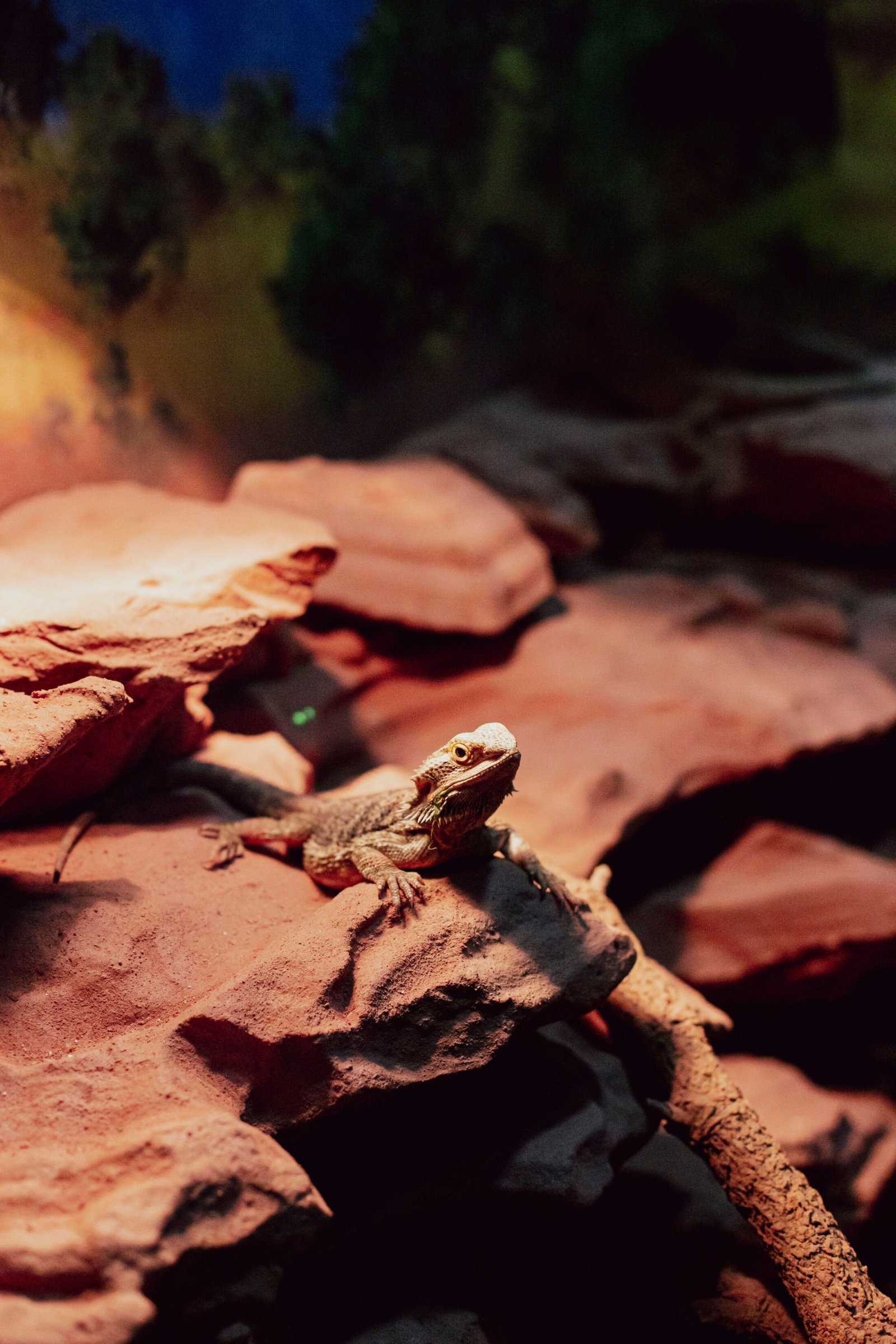
A reptile heating pad can provide useful supplemental warmth for some reptiles, but it should never be treated as a plug-in-and-forget heat source. The exact setup depends on the species, enclosure and room temperature, and uncontrolled heat can cause burns or dangerous overheating.
Start with the species, not the heating pad
Before buying equipment, check the temperature and basking needs of the exact reptile you keep. A corn snake, leopard gecko and bearded dragon do not use heat in the same way. If you are still planning the enclosure, our reptile terrarium setup guide explains how heat, UVB, humidity and housing work together.
A reptile heating pad needs a thermostat
Do not run a heat mat uncontrolled. The RSPCA corn snake care guidance recommends using an on/off thermostat with a heat mat and checking the real enclosure temperature separately. A thermostat controls the heater; it does not replace measurement.
Place the heat on one side, not everywhere
Reptiles regulate body temperature by moving between warmer and cooler areas. Heating the entire floor can remove that choice. A correctly sized reptile heating pad is normally used to warm part of the enclosure so a cooler retreat remains available.
Measure the warm and cool areas
Use digital thermometers where the reptile actually spends time. I would not rely on the thermostat dial alone because the number on the controller may not match the surface or air temperature inside the habitat.
Use the thermostat probe correctly
Probe placement affects how the thermostat responds. Follow the heater and thermostat manufacturer’s instructions and secure the probe so the reptile cannot move it away from the intended measuring point.
Never guess a universal temperature
There is no single safe setting for every reptile. Use current species-specific husbandry guidance and verify both the warm zone and cool zone. In case your reptile is sick, elderly or recovering, an exotics veterinarian may recommend a modified range.
Check whether a heating pad is the right heat source
Some reptiles benefit more from overhead heating that creates a natural basking area. A reptile heating pad may be secondary rather than primary heat, especially for species that normally warm themselves from above.
Do not put an unprotected heater inside the enclosure
A reptile should not be able to rest directly against exposed electrical heating equipment unless the product is specifically designed and installed for that use. Follow the enclosure and heater instructions rather than improvising with tape or loose cables.
Watch substrate depth and insulation
Thick substrate can change how heat reaches the animal and can create unexpectedly hot surfaces beneath it. Recheck temperatures after changing substrate type or depth instead of assuming the old thermostat setting still works.
Create a safe hide on both sides
If possible for the species, provide a secure hide in the warm area and another in the cooler area. Your reptile should not have to choose between feeling hidden and regulating its body temperature.
Inspect the reptile heating pad regularly
Check for cracked insulation, damaged cords, loose plugs, scorch marks or adhesive failure. Stop using damaged heating equipment instead of trying to repair mains-powered parts yourself.
Recheck temperatures when the room changes
Seasonal weather, air conditioning, a new enclosure location or a warmer room can change the thermal gradient. Check conditions more often after any environmental change.
Night heat depends on the species and room
Some reptiles benefit from a nighttime temperature drop, while others still need supplemental non-light heat if the room becomes too cold. Do not automatically leave every heater at the daytime setting overnight.
Know the warning signs of overheating
Persistent attempts to escape heat, unusual open-mouth breathing in a species that does not normally gape, weakness, collapse or obvious burns need urgent attention. Move the animal away from the heat source safely and contact an exotics veterinarian.
Do not use household heating products as substitutes
Human heating blankets, improvised hot-water bottles and unregulated household pads are not designed as reptile habitat equipment. Use purpose-designed heating and control equipment suited to the enclosure.
Test the setup before the reptile moves in
Run the enclosure long enough to see how temperatures behave through the day and night. If you know the warm zone becomes unstable before an animal is inside, you can correct the setup without putting the reptile at risk.
Control and measurement make heat safer
A reptile heating pad is only as safe as its control and monitoring. Use it for an appropriate species, heat only part of the enclosure, regulate it with the correct thermostat, verify temperatures independently and inspect the equipment regularly.
0 comments