
Vaccination Schedule for Dogs: Core Vaccines, Timing and Risk-Based Choices
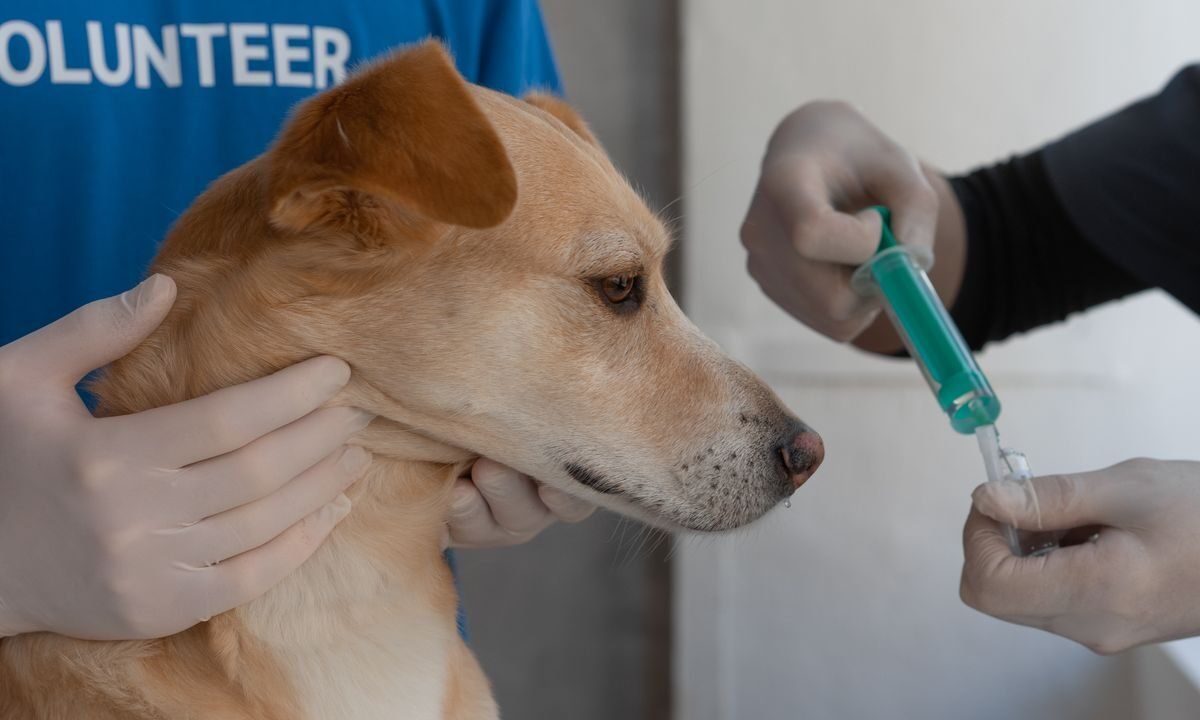
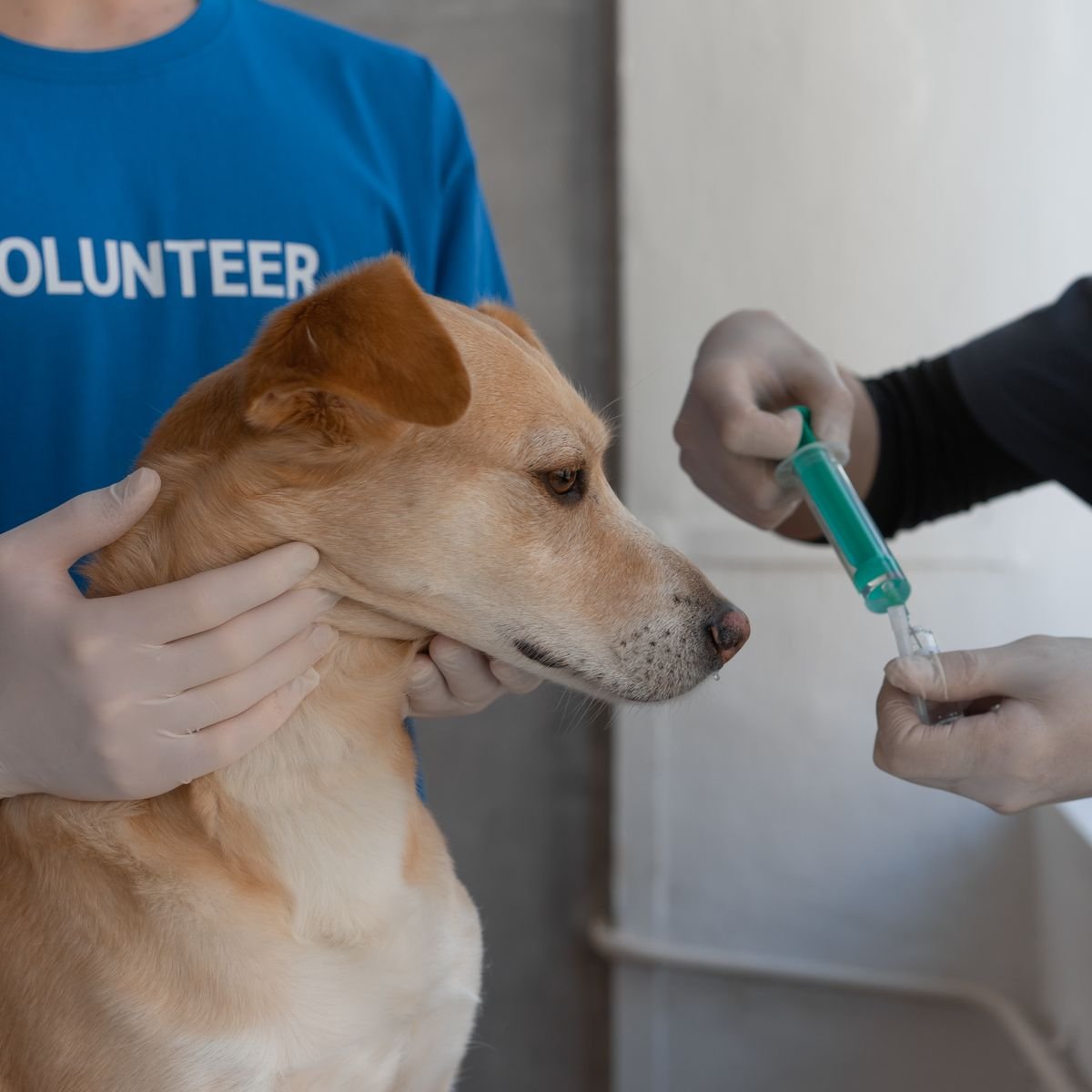
There is no single dog vaccination schedule that fits every dog in every country. Age, previous vaccine history, lifestyle, travel, local disease risk and legal requirements all affect the plan. The useful approach is to understand the pattern, then let your veterinarian personalize it.
Core vaccines protect against major disease
The AAHA canine vaccination guidelines identify core vaccines recommended broadly for dogs, including distemper, adenovirus, parvovirus, leptospirosis and rabies, with additional vaccines chosen according to individual risk.
Puppy vaccines are given as a series
Young puppies receive repeated combination vaccines because antibodies inherited from the mother can interfere with early vaccination. AAHA recommends a series beginning in puppyhood and continuing through the period when maternal antibodies are expected to decline.
A typical puppy pattern
For distemper, adenovirus and parvovirus combinations, AAHA recommends at least three doses between roughly 6 and 16 weeks of age, spaced several weeks apart. The exact dates depend on when the puppy begins the series and the veterinarian’s assessment.
Rabies timing depends on law and product
Rabies vaccination is legally regulated in many places. Your veterinarian should follow local law and the licensed vaccine label rather than a generic online schedule.
Leptospirosis is an important discussion
AAHA includes leptospirosis among core recommendations in its current guidance. Risk can occur even in urban environments because infected wildlife and contaminated water or soil may expose dogs.
Some vaccines depend on lifestyle
Bordetella, canine influenza, Lyme disease and other vaccines may be recommended for particular dogs based on boarding, daycare, travel, geographic exposure or other risks. A dog that rarely leaves home may have different needs from one that visits kennels or hikes in tick-heavy areas.
Adult boosters are not all given every year
Different vaccines have different booster intervals. For some core viral vaccines, AAHA recommends a booster after the initial series and then longer intervals. Other vaccines may require more frequent revaccination.
An adult dog with unknown vaccine history needs a plan
If you adopt an adult dog and records are missing, do not guess. Your veterinarian can create a catch-up schedule based on age, health, previous evidence and local risk.
Vaccines are only one part of preventive care
Parasite prevention, dental care, body condition, nutrition and regular examinations matter too. Our guide to regular veterinary visits explains why routine appointments help detect problems before they become obvious.
Bring records when you change clinics
A written vaccine history prevents unnecessary duplication and helps the new clinic calculate the next due dates correctly. Keep copies with your pet’s other medical records.
What about vaccine side effects
Mild tiredness or soreness can occur after vaccination, but facial swelling, difficulty breathing, collapse or severe vomiting requires urgent veterinary attention. Ask your clinic what reactions they want reported.
Keep a personal vaccine record
Save the vaccine name, date, clinic and next due date in one place. This is especially useful for boarding, travel and emergency care, where proof may be requested quickly.
Boarding and daycare may have extra requirements
Facilities may require vaccines such as Bordetella or canine influenza based on their own policies and local disease risk. Check requirements well before travel so you are not trying to complete a series at the last minute.
Health status can change the timing
Dogs that are acutely unwell, receiving certain treatments or managing chronic disease may need an individualized plan. Your veterinarian can decide whether vaccination should proceed, be delayed or be adjusted.
Do not rely on memory for puppy dates
The spacing of puppy vaccines matters because the series is designed around changing maternal antibody protection. Put the next appointment into your calendar before leaving the clinic.
Travel can change vaccine requirements
Dogs crossing borders or entering boarding facilities may need specific vaccines, documentation or timing. Check destination and facility requirements early because some records must show vaccination completed before the travel date.
Keep future due dates visible
Set a calendar reminder after each appointment so boosters are not missed when years pass between some vaccines.
Your vet should tailor the schedule
Use a vaccination schedule as a framework, not a rigid internet timetable. Puppy series, rabies law, adult boosters and lifestyle vaccines should all be tailored with your veterinarian to the individual dog’s risk.
This article is general educational information and does not replace a veterinarian’s vaccination plan for your dog.



0 comments